
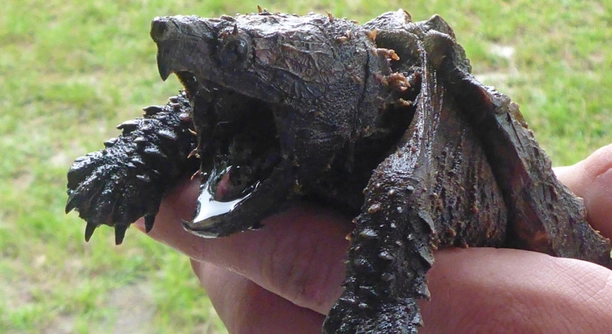
Alligator snapping turtles are fascinating creatures, and observing their behavior can often lead to questions about their habits. One common behavior is their tendency to hide in the same spot. This may seem unusual but is quite normal.
Alligator snapping turtles may hide in the same spot due to a variety of reasons, including seeking comfort, safety, or privacy. They may also find that particular area provides the right conditions, such as warmth, stability, or a preferred hiding space.
Understanding why your alligator snapping turtle chooses this spot will help you create a more comfortable environment for it. This behavior can be managed with simple adjustments to its habitat.
Why Do Alligator Snapping Turtles Hide?
Alligator snapping turtles are known for their unique behavior, especially when they consistently choose the same spot to hide. It is common for these turtles to seek refuge in a specific area, as they tend to enjoy familiarity and comfort. Often, turtles may hide in the same place due to the way their environment is structured. They might feel secure in a spot that provides a sense of stability or warmth, particularly if the area offers a form of shelter, like rocks or plants, to provide some cover. The constant need for safety drives them to gravitate toward spaces they know well.
Turtles are creatures of habit, and they feel most at ease when they can predict their surroundings. The areas they choose to hide in usually reflect their preferences for comfort, protection, and security. These habits are not driven by randomness but rather by instinctual behaviors that ensure their safety in their environment.
The hiding spot may also be linked to a turtle’s natural hunting and resting patterns. Alligator snapping turtles have adapted to survive in their habitat, using hiding spaces to avoid potential threats. For a turtle, its chosen spot can serve as an area to rest or even conserve energy. Understanding this behavior is crucial for creating an environment that encourages the turtle’s health and well-being.
Factors Influencing Hiding Behavior
The reasons behind a turtle’s hiding behavior are influenced by multiple factors. They often respond to environmental cues, like temperature and light, or disturbances in their space.
Certain environmental conditions may encourage this behavior, such as water temperature or the level of humidity. These factors can cause turtles to seek a hiding place where they feel most comfortable and secure. Additionally, the presence of predators or other disturbances can increase the likelihood of hiding.
Temperature and Light Preferences
Temperature plays a major role in why an alligator snapping turtle may keep hiding in the same spot. Turtles are cold-blooded, meaning they rely on external heat sources to regulate their body temperature. If a certain spot in their habitat offers warmth, they will likely return to it. This behavior helps them maintain a stable body temperature for digestion and overall health.
If the chosen hiding spot is near a heat source, like a basking lamp or a warm area in the water, it can become a preferred location for the turtle. Alligator snapping turtles will often seek warmth during cooler periods and retreat to a spot where they can bask and maintain their comfort. If the temperature fluctuates, the turtle may hide to regulate its body temperature.
Light is also a factor in this behavior. Turtles are more likely to hide in darker spots, as they tend to feel safer and more secure in low-light environments. A darker hiding spot helps them stay out of sight from potential predators and other disturbances.
Security and Safety
Hiding can be a survival tactic for alligator snapping turtles, ensuring they stay out of sight from potential threats. In the wild, they use this instinctive behavior to protect themselves from predators. This same instinct is evident in captivity, where the turtle may seek secluded spots to feel more secure.
The turtle’s preference for a specific hiding spot is also driven by its need for safety. If it perceives the surroundings as unsafe, it will retreat to its familiar, secure location. Being in a spot it trusts minimizes stress and maximizes the turtle’s sense of well-being. The more secure the environment, the less likely the turtle will feel the need to hide constantly.
Turtles are also creatures of routine. Once they have identified a safe spot, they will return to it. Providing a stable environment with safe, consistent hiding spaces can help alleviate the stress that may cause them to constantly seek refuge in the same place.
Environmental Stability
A consistent environment plays a significant role in why your alligator snapping turtle hides in the same spot. Stability in water conditions, temperature, and humidity helps your turtle feel comfortable and secure. If the conditions change frequently, the turtle may seek refuge in familiar locations to avoid stress.
Turtles are creatures of habit. When they find a spot that suits their needs—whether for temperature, safety, or comfort—they tend to return to it. This habitual behavior helps them maintain stability in their environment. Inconsistent conditions, on the other hand, might push the turtle to hide more often.
The Role of Shelter
Shelter is another key factor in your turtle’s choice of hiding spot. Alligator snapping turtles are known for their preference for sheltered areas, such as rocks, logs, or dense plants. These provide cover and mimic their natural environment, helping them feel protected.
Turtles instinctively seek shelter to avoid predators and environmental disturbances. In captivity, ensuring your turtle has access to these types of spaces will encourage them to feel more secure. When they feel safe, they are more likely to come out of hiding and explore their habitat.
Behavioral Patterns
Alligator snapping turtles develop behavioral patterns that influence their preference for certain spots. Over time, they will associate specific areas with positive experiences, such as safety or comfort. These established patterns often lead them to seek out the same hiding spot again and again.
Understanding these habits is crucial for creating a healthy environment. When a turtle becomes accustomed to a hiding spot, it is important to maintain the conditions that allow this behavior to continue. Stability in these factors will promote well-being and reduce stress.
FAQ
Why does my alligator snapping turtle hide so often?
Alligator snapping turtles often hide to feel secure. Being cold-blooded, they seek shelter to regulate their body temperature. This behavior is natural and helps them avoid stress or potential threats. If they feel threatened or if their environment lacks a stable temperature, they may hide more frequently. It’s a way of conserving energy and staying safe.
Should I be concerned if my alligator snapping turtle hides all the time?
If your turtle hides frequently but still eats well and maintains normal behavior when out of hiding, it’s likely not a concern. However, if the turtle seems lethargic, refuses food, or shows signs of stress, it could indicate a problem with the environment or health. Make sure the temperature, water quality, and shelter options are optimal.
How can I create a better environment for my alligator snapping turtle?
Ensure that your turtle’s habitat provides plenty of hiding spots, preferably with natural elements like rocks, plants, or logs. The water temperature should be appropriate, typically between 75°F and 80°F. You should also monitor water quality, avoiding excessive chlorine or impurities that could cause stress. A stable and secure environment is key to keeping your turtle comfortable.
Is there a specific temperature range my alligator snapping turtle needs?
Yes, alligator snapping turtles prefer a water temperature between 75°F and 80°F. If the water is too cold, the turtle may retreat to a hiding spot to keep warm. If it’s too hot, the turtle may seek shade or a cooler area to avoid overheating. A basking spot with a heat source is also important for regulating body temperature.
What can I do to prevent my turtle from hiding too much?
To reduce hiding behavior, focus on creating a more comfortable environment. Make sure the habitat offers a balance of shelter and open space, so the turtle feels secure but not confined. Keep the water clean and at the proper temperature, and ensure there are no sudden disturbances in the environment.
How do I know if my turtle is stressed?
Signs of stress in an alligator snapping turtle include decreased activity, lack of appetite, and erratic swimming or hiding more frequently. If your turtle is showing these signs, it could be due to environmental stressors like water quality, improper lighting, or temperature fluctuations. Try adjusting the conditions and see if the behavior improves.
Can my alligator snapping turtle get too comfortable in a hiding spot?
It’s possible for your turtle to get overly reliant on hiding if it’s experiencing stress or discomfort in its environment. However, as long as the turtle is healthy and comes out to eat, it’s generally fine. If it’s staying hidden for long periods and not eating, it may be time to reevaluate its living conditions.
Should I try to move my turtle if it stays in the same spot?
Avoid moving your turtle unless absolutely necessary. Alligator snapping turtles are territorial and may find new locations unsettling. If the spot is providing comfort, warmth, and security, it’s best to leave the turtle where it feels safe. Only relocate the turtle if there are health or habitat concerns.
Why does my turtle choose the same spot to hide every time?
Your turtle likely chooses the same spot because it provides the right combination of safety, temperature, and comfort. Alligator snapping turtles are creatures of habit, and once they find a spot they like, they tend to return to it. This behavior helps them feel secure in their environment.
Can I change the hiding spot if my turtle stays in one area too much?
If your turtle seems to be overly focused on one hiding spot, consider adding other options for shelter. You can provide more hiding spots, such as plants, logs, or rocks, so your turtle has the chance to explore different areas. Just make sure not to disrupt its environment too drastically. Keep it as familiar and comfortable as possible.
Final Thoughts
Understanding your alligator snapping turtle’s behavior can help you create a better environment for it. Hiding in the same spot is a natural instinct for these turtles, as it provides them with a sense of safety and comfort. It’s important to remember that this behavior is not necessarily a sign of something wrong, especially if the turtle is eating and acting normally when out of hiding. Most of the time, they are just seeking stability and security in their environment.
If you notice your turtle hiding more often or for longer periods, it may be an indication that something in its environment needs adjusting. Make sure the water temperature is within the correct range and that the turtle has enough shelter options. Sometimes, stress can come from poor water quality, fluctuating temperatures, or a lack of hiding places. In those cases, providing a more stable environment can help reduce excessive hiding and improve overall well-being.
Ultimately, your turtle’s behavior is influenced by many factors, from its instincts to the conditions of its habitat. By paying attention to its needs and maintaining a suitable environment, you can ensure that it remains healthy and comfortable. If concerns persist, don’t hesitate to consult with a vet to rule out any potential health issues. Keeping an eye on your alligator snapping turtle’s behavior and environment will help you understand its needs and foster a long, healthy life.

Hello,
If you enjoy the content that we create, please consider saying a "Thank You!" by leaving a tip.
Every little bit helps us continue crafting quality advice that supports the health, happiness, and well-being of pets around the world, for pets of all shapes, sizes, and species.
We really appreciate the kindness and support that you show us!