
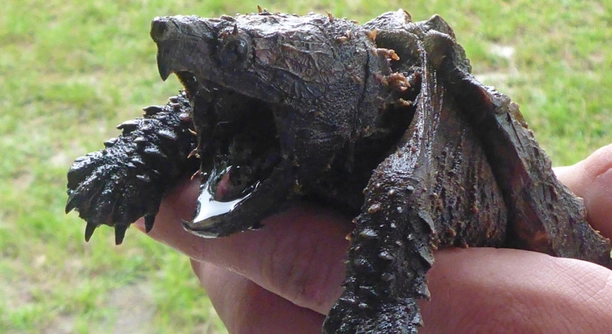
Alligator snapping turtles are fascinating creatures with unique care requirements. Keeping them healthy and happy involves understanding their specific needs. This guide will offer practical tips to help you create the best environment for your pet turtle.
Raising an alligator snapping turtle requires a proper habitat, balanced diet, and regular health monitoring. Ensuring the tank is large enough with clean, filtered water is crucial. Providing a variety of food options and regular UV lighting supports their well-being.
Proper care can ensure your alligator snapping turtle thrives for years. By following these tips, you can provide the best environment for your turtle’s health and happiness.
Providing the Right Habitat for Your Alligator Snapping Turtle
Creating an appropriate habitat is essential for the health of your alligator snapping turtle. These turtles grow large, requiring a spacious tank to move around comfortably. A minimum tank size of 100 gallons is recommended for one turtle. Ensure the tank has a secure lid, as alligator snapping turtles are known to escape when given the opportunity. Water quality is a top priority, so invest in a reliable filtration system to maintain clean, fresh water. Keep the water temperature between 72°F and 78°F to mimic their natural environment. It’s also important to provide a basking area with a heat lamp, as alligator snapping turtles need warmth to regulate their body temperature.
A proper habitat doesn’t just mean having the right space, but also creating an environment where your turtle can thrive. Regular water changes and checking the temperature are key to maintaining a stable setting.
In addition to these factors, consider adding natural elements like rocks and plants to simulate the turtle’s natural environment. This helps reduce stress and encourages natural behaviors.
Feeding Your Alligator Snapping Turtle
Feeding your alligator snapping turtle a varied diet is crucial for their overall health. These turtles are primarily carnivorous, feeding on fish, worms, and other small aquatic animals in the wild. A mix of protein-rich foods, like live fish or shrimp, should be included in their diet. You can also feed them occasional leafy greens or small amounts of fruits. Avoid overfeeding, as it can lead to obesity, which is harmful to their health. Stick to a feeding schedule, offering food once or twice a week, based on the turtle’s age and size.
Alligator snapping turtles have slow metabolisms, and their diet should be adjusted accordingly to avoid overfeeding them. A proper diet helps ensure your turtle stays active and healthy. A well-balanced diet supports their growth, shell condition, and overall energy levels.
Tank Maintenance and Water Quality
Maintaining clean water is essential for the well-being of your alligator snapping turtle. Regularly clean the tank and change the water to prevent buildup of harmful bacteria. Aim to change about 25% of the water every two weeks.
Investing in a high-quality filtration system will help ensure the water remains clean and clear. Alligator snapping turtles are sensitive to poor water quality, which can lead to infections and other health issues. Make sure the filter is strong enough for the size of your tank. Testing the water regularly for ammonia, nitrites, and pH levels will also help maintain a stable environment. Consistent care will prevent costly problems down the road.
Keeping your tank clean isn’t just about water changes. Removing uneaten food and waste from the bottom of the tank helps prevent contamination. Regular maintenance, including checking the filtration system, keeps your turtle’s environment safe and healthy.
UVB Lighting and Temperature Control
Proper lighting and temperature are essential for an alligator snapping turtle’s health. They need access to UVB light, which helps them produce vitamin D3 and metabolize calcium.
A UVB bulb should be placed over the basking area, ensuring that your turtle has access to natural sunlight or a UVB light for 10–12 hours a day. The basking spot should be kept between 85°F and 90°F to allow your turtle to regulate its body temperature. If the tank doesn’t have natural sunlight, artificial UVB lights are necessary. These lights should be replaced every 6–12 months to maintain their effectiveness.
Maintaining proper temperature is just as important as providing UVB light. The water temperature should be kept between 72°F and 78°F. A water heater designed for turtle tanks can help maintain the right temperature range. This balance ensures your turtle stays active and healthy while promoting its overall well-being.
Handling and Interaction
Alligator snapping turtles are not the most social animals, so it’s important to handle them carefully. Limit physical interaction to reduce stress.
When you do need to handle them, make sure your hands are clean and dry. Support their body gently, avoiding sudden movements. Always remember that these turtles have strong jaws, so avoid putting your hands near their face.
Allowing your turtle to explore its habitat on its own terms can help build trust. Be patient, as it may take time for your turtle to get comfortable with its environment and you.
Shell Health and Maintenance
Shell health is crucial for alligator snapping turtles. Ensure your turtle’s shell is smooth, free from cracks, and properly maintained by providing a clean environment. Regularly check for signs of shell rot, which can develop in dirty or stagnant water.
A well-balanced diet high in calcium helps keep the shell strong. Calcium supplements can be added to their food if necessary. Keeping the tank clean and offering appropriate basking areas will help prevent fungal infections and other health issues. A healthy shell ensures your turtle’s long-term survival and vitality.
Keeping Your Turtle Active
Alligator snapping turtles are relatively slow-moving, but it’s important to encourage activity to keep them fit. Offering a variety of objects for them to explore, like rocks or floating platforms, will stimulate movement.
Turtles are naturally curious creatures and enjoy a good swim. Providing plenty of space in their tank will allow them to explore, which is good for their physical and mental health.
FAQ
How long do alligator snapping turtles live?
Alligator snapping turtles are known for their impressive longevity. In the wild, they can live up to 50 years or more, with some even reaching 70 years. In captivity, they can live just as long if they are well cared for. Proper habitat, diet, and regular health checks can contribute to a long, healthy life for your turtle.
What size tank does an alligator snapping turtle need?
An alligator snapping turtle requires a large tank, especially as it grows. For a single adult turtle, the tank should be at least 100 gallons. As they can grow to over 30 inches in length, providing a spacious environment is important. If you have more than one turtle, a larger tank is recommended to ensure they have enough room to swim and move comfortably.
Do alligator snapping turtles need a basking spot?
Yes, alligator snapping turtles need a basking area. They require access to both water and a dry surface where they can bask under a heat source. A basking area is important for regulating their body temperature and aiding in digestion. Keep the basking spot between 85°F and 90°F to ensure your turtle’s well-being.
What do alligator snapping turtles eat?
Alligator snapping turtles are primarily carnivores. In the wild, they hunt fish, amphibians, and small invertebrates. In captivity, they can be fed a variety of foods, including live fish, worms, crickets, and shrimp. Occasionally, they can be offered leafy greens, fruits, and high-protein pellets designed for turtles. Be sure to avoid overfeeding them.
How often should I feed my alligator snapping turtle?
Alligator snapping turtles should be fed around 2–3 times a week, especially when they’re adults. Juveniles may need more frequent feeding. Offering food too often can lead to obesity, so be careful not to overfeed them. Monitor their weight and adjust the feeding schedule as necessary to keep them healthy.
What water temperature is best for alligator snapping turtles?
The ideal water temperature for alligator snapping turtles is between 72°F and 78°F. Keeping the water temperature consistent helps regulate their metabolism and digestion. Use a reliable aquarium heater to maintain the right temperature, especially in cooler environments.
Do alligator snapping turtles need UVB light?
Yes, alligator snapping turtles require UVB lighting to help them process calcium and maintain healthy bone structure. UVB light helps them produce vitamin D3, which is essential for calcium absorption. Keep the UVB light on for about 10–12 hours each day, and replace the bulb every 6–12 months for optimal effectiveness.
Can alligator snapping turtles live with other turtles?
Alligator snapping turtles can live with other turtles, but they should be monitored closely. They tend to be territorial, especially as they mature, and may become aggressive towards other turtles. If you choose to keep them with other species, ensure that the tank is large enough to accommodate multiple turtles and that they have enough space to avoid conflicts.
How can I tell if my alligator snapping turtle is healthy?
A healthy alligator snapping turtle will have clear, bright eyes, a smooth and clean shell, and be active. If the turtle’s shell has cracks, lesions, or soft spots, it may indicate health problems. Additionally, a healthy turtle should swim and bask regularly, have a strong appetite, and show no signs of lethargy or unusual behavior. Keep an eye on their eating habits, as a lack of interest in food can be a sign of illness.
What should I do if my alligator snapping turtle’s shell is damaged?
If your alligator snapping turtle’s shell is damaged, it’s important to seek veterinary care immediately. Shell injuries can lead to infections or other complications if not treated promptly. In the meantime, ensure the turtle’s tank is clean to avoid further contamination. If the damage is minor, the vet may recommend cleaning and applying a safe antiseptic.
Do alligator snapping turtles need to be regularly cleaned?
Yes, cleaning your alligator snapping turtle’s tank is crucial to prevent bacteria and algae buildup. Perform partial water changes every two weeks, removing about 25% of the water. Regularly clean the tank’s substrate, decorations, and filter to maintain water quality. Check the filtration system to ensure it’s working efficiently.
How can I prevent my alligator snapping turtle from escaping?
Alligator snapping turtles are skilled escape artists, so it’s essential to have a securely covered tank. Use a strong, tight-fitting lid to prevent your turtle from climbing out. If your turtle is housed outdoors, make sure the enclosure is sturdy, with no gaps or weak spots where it could escape.
What’s the best substrate for an alligator snapping turtle tank?
The best substrate for an alligator snapping turtle’s tank is a smooth, easily cleaned material, such as river rocks, large gravel, or sand. Avoid using small gravel or pebbles that the turtle may accidentally swallow. Make sure the substrate doesn’t retain too much moisture, which could affect the water quality.
How can I provide mental stimulation for my alligator snapping turtle?
Alligator snapping turtles are naturally curious and enjoy exploring their environment. You can provide mental stimulation by adding rocks, logs, or artificial plants to the tank. Changing up the layout occasionally can also keep your turtle’s environment interesting. Additionally, offering varied food types, such as different live prey, will engage their natural hunting instincts.
Can I house an alligator snapping turtle outside?
Yes, alligator snapping turtles can live outdoors in a suitable pond or enclosure. However, make sure the area is secure, as these turtles are known to escape. The pond should have both shallow and deeper areas, a basking spot, and access to clean water. Be mindful of the climate, as extreme cold temperatures can be harmful.
Why does my alligator snapping turtle stay at the bottom of the tank?
If your alligator snapping turtle stays at the bottom of the tank, it could be due to stress, temperature issues, or illness. Check the water temperature to ensure it’s within the ideal range (72°F to 78°F). Ensure the tank has proper lighting and a basking area. If the turtle is not eating, it may be a sign of health issues, so consult a vet if needed.
Final Thoughts
Caring for an alligator snapping turtle requires commitment and attention to detail. They need the right environment to thrive, which includes a large, clean tank with proper filtration, heating, and UVB lighting. Keeping the water at the correct temperature and maintaining a balanced diet are also essential parts of their care routine. These turtles can live for many years, and their long lifespan means that owners must be prepared for long-term care.
Alligator snapping turtles are fascinating creatures with unique behaviors, but they also come with specific needs. It’s important to provide both the space and stimulation they require to stay healthy and active. While they may seem low-maintenance once the tank setup is complete, they do need regular attention and care. Monitoring their behavior, eating habits, and overall health is necessary to catch potential problems early.
If you’re ready to care for an alligator snapping turtle, understanding their needs and providing the right environment will ensure that they live a happy, healthy life. By offering them the proper care, you can enjoy observing these remarkable reptiles for many years. Whether kept as a pet or in a larger habitat, alligator snapping turtles are rewarding to care for when their requirements are met.

Hello,
If you enjoy the content that we create, please consider saying a "Thank You!" by leaving a tip.
Every little bit helps us continue crafting quality advice that supports the health, happiness, and well-being of pets around the world, for pets of all shapes, sizes, and species.
We really appreciate the kindness and support that you show us!