
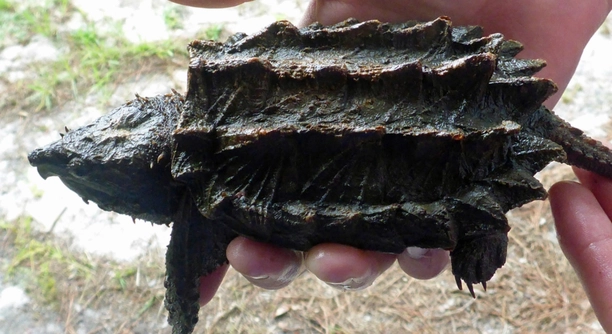
Is your alligator snapping turtle’s tank struggling to maintain the right humidity levels? Proper humidity is essential for their health, preventing respiratory issues and shell problems. Keeping the balance requires the right equipment, substrate choices, and routine monitoring to create a stable environment.
The best ways to maintain tank humidity include using a reliable hygrometer, adding moisture-retaining substrates, adjusting ventilation, and incorporating misting systems. Keeping water sources inside the enclosure and maintaining a proper temperature gradient also help regulate humidity effectively, ensuring a comfortable habitat for your turtle.
Achieving the right humidity levels helps support your turtle’s overall health. Understanding these methods will make it easier to create and maintain the ideal environment for your alligator snapping turtle.
Use a Reliable Hygrometer
A hygrometer is essential for monitoring humidity levels in your alligator snapping turtle’s tank. Without accurate readings, it is difficult to maintain the right balance. Digital hygrometers provide more precise measurements compared to analog options. Place the device in a central location within the enclosure to ensure accurate readings. Regularly check the display and adjust conditions as needed. Humidity fluctuations can lead to health problems, so keeping track of changes helps prevent issues. Investing in a high-quality hygrometer ensures you have the right data to maintain a stable habitat for your turtle.
Check your hygrometer at least twice a day. Morning and evening readings help you understand any fluctuations caused by temperature changes or ventilation. Consistently monitoring humidity makes it easier to spot trends and adjust conditions before problems arise.
If you notice frequent drops in humidity, consider adding moisture sources. Misting, using a larger water dish, or incorporating damp moss can help stabilize the levels. Additionally, ensure your tank’s ventilation is not excessive, as too much airflow can dry out the habitat. Maintaining proper humidity will support your turtle’s respiratory health and overall well-being.
Choose Moisture-Retaining Substrates
The right substrate helps retain humidity, keeping the enclosure stable. Coconut fiber, sphagnum moss, and cypress mulch are excellent choices because they hold moisture well without becoming overly damp. Avoid using dry materials like sand or aspen shavings, as they do not help maintain humidity.
Selecting the right substrate depends on your turtle’s needs. A mix of coconut fiber and sphagnum moss works well for holding moisture while preventing excessive dampness. Cypress mulch is another great option, as it helps maintain humidity without molding quickly. Layering different substrates can create a balanced environment, allowing moisture retention without making the enclosure too wet.
To keep the substrate effective, mist it lightly as needed. Avoid overwatering, as excess moisture can lead to bacterial growth. Stirring the substrate occasionally helps distribute moisture evenly and prevents dry spots. Replacing the substrate periodically ensures cleanliness and prevents buildup of waste. A well-maintained substrate not only helps regulate humidity but also provides a comfortable surface for your turtle. Keeping the enclosure properly balanced supports your turtle’s health and ensures they have a suitable living space.
Adjust Ventilation Carefully
Proper ventilation prevents excessive humidity buildup while ensuring the tank does not dry out too quickly. Too much airflow can lower humidity, while too little can cause stagnant air and mold growth. Adjusting ventilation helps maintain a balanced environment for your alligator snapping turtle.
If the enclosure’s humidity drops too fast, partially covering the lid can help retain moisture. Glass or plastic covers work well, but leave some space for airflow to prevent condensation buildup. If humidity is too high, increasing ventilation by adjusting the screen top or adding small airflow openings can help. Finding the right balance prevents sudden fluctuations.
Positioning the tank away from direct airflow sources, like vents or windows, helps maintain stability. Fans or air conditioning units can dry out the habitat, making it harder to keep humidity levels consistent. Monitoring airflow and making small adjustments ensures your turtle’s tank remains at the ideal humidity.
Incorporate a Misting System
A misting system helps regulate humidity by providing controlled moisture throughout the day. Automatic misters are convenient, ensuring consistent levels without manual effort. Hand-held spray bottles work for smaller enclosures but require regular use. Misting prevents dry conditions, keeping the habitat comfortable and reducing stress for your turtle.
For an automatic misting system, set timers to spray at regular intervals, preventing excessive dryness. Adjusting mist frequency based on humidity readings ensures optimal conditions without over-saturating the substrate. If using a manual spray bottle, mist the enclosure in the morning and evening to maintain stability. Avoid misting excessively to prevent stagnant water buildup.
Using dechlorinated water in the mister prevents harmful chemicals from affecting your turtle. Position the misting nozzles or spray towards the enclosure’s sides rather than directly on the turtle. Consistent misting, combined with other humidity-regulating methods, helps create a well-balanced environment that supports your alligator snapping turtle’s health.
Maintain a Proper Water Source
A large water dish helps regulate humidity by releasing moisture into the air. Placing it near a heat source increases evaporation, ensuring consistent humidity levels. Shallow dishes evaporate faster, while deeper ones retain water longer, reducing the need for frequent refills. Regular cleaning prevents bacteria buildup and keeps the water fresh.
Using warm water in the dish can slightly boost humidity, especially in drier environments. Avoid placing the dish directly under heat lamps to prevent excessive evaporation. Ensuring the water is always available helps maintain stable humidity, creating a more comfortable habitat for your alligator snapping turtle.
Monitor Temperature Levels
Temperature affects humidity levels, making regulation essential for maintaining the right balance. Warmer air holds more moisture, while cooler temperatures can cause humidity to drop. Using an accurate thermometer ensures consistent monitoring, allowing necessary adjustments to maintain a stable and comfortable environment for your turtle.
Avoid Excessive Drying Materials
Certain materials, like sand and aspen shavings, absorb moisture too quickly, reducing humidity levels. Replacing them with moisture-retaining options, such as coconut fiber or sphagnum moss, helps maintain the proper balance. Removing unnecessary drying elements from the enclosure prevents fluctuations and supports a more stable environment for your turtle.
FAQ
How often should I check the humidity in my alligator snapping turtle’s tank?
Checking humidity levels at least once or twice a day ensures a stable environment. Morning and evening readings help track fluctuations, allowing necessary adjustments. Sudden changes in humidity can stress your turtle, so regular monitoring helps prevent extreme conditions.
Using a reliable hygrometer provides accurate readings. Digital models with memory functions track humidity trends over time. If humidity consistently drops or rises, adjusting misting, ventilation, or water sources can help. Consistent monitoring ensures your turtle’s habitat remains within the recommended range.
What is the ideal humidity level for an alligator snapping turtle?
Keeping humidity between 70% and 80% is best for an alligator snapping turtle. This range mimics their natural environment, preventing dehydration or respiratory issues. Lower humidity can dry out their skin and shell, while excessive moisture may encourage mold growth and bacterial infections.
If humidity drops below 70%, increasing misting, adding a larger water dish, or using a moisture-retaining substrate helps. If levels exceed 80%, improving ventilation or reducing misting frequency prevents excess moisture buildup. Maintaining a balanced range supports your turtle’s overall health.
Can I use a fogger instead of a mister?
Foggers can help maintain humidity, but they should be used with caution. Unlike misters, foggers create a constant mist, which may lead to excessive moisture buildup if not controlled properly. Running a fogger for short periods ensures proper humidity without making the enclosure too damp.
Placing the fogger on a timer prevents overuse. Combining it with other humidity-regulating methods, like a water dish or moisture-retaining substrate, creates a more balanced approach. Ensuring proper ventilation helps prevent stagnant air, keeping the enclosure fresh and mold-free.
Does my turtle’s tank size affect humidity balance?
Larger tanks retain humidity better, while smaller enclosures experience quicker fluctuations. More space allows moisture to distribute evenly, reducing sudden drops or spikes. Smaller tanks require frequent misting or adjustments to maintain consistent humidity levels.
Using the right substrate, water dish, and misting schedule helps regulate humidity in any tank size. Placing the enclosure away from direct airflow sources, like vents or windows, prevents rapid moisture loss. A well-maintained setup ensures humidity remains stable.
Can I use a humidifier in the room instead of misting the tank?
A room humidifier can help, but it should not be the primary method for maintaining tank humidity. While it adds moisture to the air, it may not directly impact the enclosure as effectively as misting or using moisture-retaining substrates.
If the surrounding air is too dry, a humidifier may prevent drastic humidity drops. However, direct misting or fogging inside the tank provides more precise control. Combining both methods can be beneficial, especially in drier climates, but tank-specific adjustments remain essential.
What are signs that my turtle’s habitat is too dry or too humid?
Dry conditions may cause flaky skin, a brittle shell, or increased soaking behavior. If your turtle spends excessive time in the water dish, humidity may be too low. Frequent eye or respiratory issues can also indicate inadequate moisture levels.
Excessive humidity can lead to mold, musty odors, or visible condensation on tank surfaces. If your turtle has difficulty breathing or shows signs of shell rot, reducing moisture levels is necessary. Regular monitoring helps catch imbalances early, preventing health issues.
Final Thoughts
Maintaining balanced humidity in an alligator snapping turtle’s tank is essential for its health and comfort. Proper humidity prevents dehydration, respiratory issues, and shell problems. Using reliable methods, such as misting, moisture-retaining substrates, and controlled ventilation, ensures a stable environment. Regular monitoring with a hygrometer helps track humidity changes, allowing timely adjustments. Small daily efforts, like refilling the water dish or adjusting misting frequency, go a long way in keeping the enclosure in optimal condition. Consistency is key to avoiding sudden fluctuations that can stress your turtle.
Every tank setup is different, and factors like enclosure size, ventilation, and room conditions influence humidity levels. Adapting strategies based on your specific environment ensures better results. If humidity drops too low, increasing misting, adding damp moss, or using a fogger for short periods can help. If moisture levels are too high, improving airflow, reducing misting, or adjusting the water dish placement may be necessary. A well-balanced setup prevents issues like dry skin, shell damage, or bacterial growth. Keeping an eye on your turtle’s behavior also provides insight into whether adjustments are needed.
Providing a stable habitat ensures your alligator snapping turtle remains comfortable and healthy. Proper humidity management, combined with good tank maintenance, reduces stress and supports overall well-being. Monitoring and adjusting conditions as needed helps create a consistent and safe environment. With the right approach, maintaining ideal humidity levels becomes a simple part of routine care.

Hello,
If you enjoy the content that we create, please consider saying a "Thank You!" by leaving a tip.
Every little bit helps us continue crafting quality advice that supports the health, happiness, and well-being of pets around the world, for pets of all shapes, sizes, and species.
We really appreciate the kindness and support that you show us!