
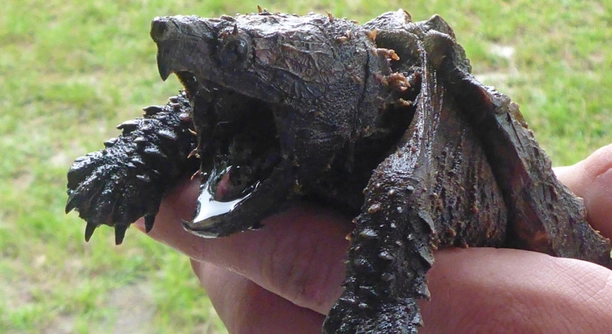
Alligator snapping turtles are fascinating creatures, but if you’ve noticed yours repeatedly bumping into things, it might be puzzling. Understanding why your turtle behaves this way can help you create a more comfortable environment for it.
Your alligator snapping turtle could be bumping into objects due to a variety of factors such as poor vision, disorientation, or simply navigating its environment. Turtles rely on touch and smell, so an unfamiliar space or physical limitation can cause confusion.
There are several reasons behind this behavior that you may not be aware of. From their sensory abilities to their environment, these factors can influence how they interact with their surroundings.
Poor Vision or Blindness
Alligator snapping turtles have limited vision, which means they don’t rely on sight as much as humans or some other animals. They rely heavily on their sense of touch and smell to navigate their surroundings. If your turtle is constantly bumping into objects, it may be struggling to detect them due to impaired vision. As they age, some turtles may develop cataracts or other vision problems that affect their ability to see clearly. This leads them to bump into things, especially when they’re moving around in a new or unfamiliar space.
You might notice your turtle is more active during feeding times, or it could be wandering around randomly. It’s important to monitor their behavior and see if they seem disoriented, especially if they’re in a tank with obstacles or decorations.
Improving their environment might help. Consider rearranging their habitat to make it easier for them to navigate. If you suspect your turtle has vision issues, try adjusting lighting or removing items that could confuse them. Keeping things simple and clear will make it easier for them to find their way around. You can also ensure there’s enough space for them to move freely without constantly bumping into obstacles.
Navigating a Small Tank
Turtles need plenty of room to move around. If the tank is too small, it might feel crowded, causing your alligator snapping turtle to bump into things. When confined to tight spaces, they often struggle to find a comfortable path. A larger tank gives them more space to swim and explore, reducing the chances of accidents.
A spacious, well-maintained tank is not only good for physical movement but also promotes better health. Ensure that your turtle has room to move without feeling restricted. Adding natural elements like rocks, water plants, or hiding places can help simulate a more natural environment.
Limited Sensory Perception
Alligator snapping turtles have an exceptional sense of smell and touch but limited hearing and sight. These limitations may cause them to bump into objects as they navigate. Unlike animals that depend heavily on sight, these turtles rely on their other senses to understand their surroundings.
When your turtle is in a new or altered environment, it may take some time to adjust. They use their sensitive beak and limbs to feel objects around them, often misjudging distances. If there are numerous items in their tank, the turtle may struggle to differentiate between these objects. Even slight changes in the environment can cause disorientation, leading to bumping or confusion.
Improving their sensory environment can help. Soft textures, a well-lit space, and eliminating unnecessary clutter can reduce the risk of them constantly hitting objects. Ensuring the tank is clear and clean will also help them rely on their stronger senses and reduce accidental bumps.
Environmental Stress
Stress in alligator snapping turtles can be caused by many factors, including overcrowded tanks, sudden changes, or even water conditions. Stress can make them less aware of their surroundings, leading to more accidental collisions.
Changes in water temperature, lighting, or substrate can also contribute to this stress. If their environment is not stable, it can cause confusion and result in the turtle running into things more often. In some cases, if the turtle feels trapped or unable to hide, it may display erratic behavior, including bumping into objects.
To reduce environmental stress, keep their tank clean and ensure the water is kept at a consistent temperature. Provide hiding spots or areas where they can retreat when they feel stressed. Monitoring their behavior after adjustments will help ensure the changes are beneficial for your turtle’s comfort and health.
Illness or Injury
Alligator snapping turtles may bump into things if they are in pain or feeling unwell. Illnesses or injuries can affect their mobility and coordination, making it difficult for them to move smoothly. This can cause them to collide with objects in their environment.
If your turtle seems to be more sluggish or uncoordinated than usual, it may be a sign of illness or injury. Look for signs such as swelling, cuts, or changes in their behavior. A lack of appetite or hiding more often than usual could indicate discomfort.
A visit to the vet may be necessary if you suspect your turtle is hurt or ill. Timely care can help prevent further issues and get your turtle back on track.
Unfamiliar Environment
Turtles can be confused in an unfamiliar environment, especially if they are moved to a new tank or space. The change may throw them off, making it hard for them to find their way around.
It’s essential to give them time to adjust. New surroundings, different layouts, or changes in water conditions can overwhelm them. They may bump into things while they learn the new space.
A slow, gradual introduction to the new area can help. Allow your turtle to explore at its own pace, ensuring the space is safe and not overcrowded.
FAQ
Why does my alligator snapping turtle keep bumping into things in its tank?
Your alligator snapping turtle may be bumping into objects due to poor vision, stress, or disorientation. These turtles rely more on their sense of touch and smell than on sight. If the tank is too cluttered or if the water conditions are off, it can make the environment feel unfamiliar, leading to confusion. Turtles may also bump into things when they are in pain, sick, or recovering from an injury. Observing any changes in behavior or symptoms like lack of appetite, hiding, or swelling can help identify if something is wrong.
Can a lack of space cause my turtle to bump into things?
Yes, if your turtle’s tank is too small, it might feel cramped, leading to it repeatedly bumping into objects. A small tank can restrict movement, causing the turtle to feel disoriented and frustrated. A larger tank will provide more space for your turtle to swim freely, reducing the chances of hitting things. Ensuring that there’s enough space to move comfortably is essential for its physical and mental well-being.
How do I know if my turtle is stressed?
Stress in alligator snapping turtles can show up in different ways. Common signs of stress include erratic swimming, lack of appetite, hiding more often, or constantly bumping into objects. If the turtle’s environment has recently changed, such as water temperature fluctuations, new tankmates, or a rearranged tank, it might contribute to stress. Keep an eye on its behavior and environment to identify stress triggers. Reducing stress can be done by making sure the tank conditions are stable and ensuring the turtle has plenty of hiding spots.
How can I improve my turtle’s vision if it seems to have trouble seeing?
Improving your turtle’s vision starts with ensuring its habitat is clear of obstacles that could confuse it. Bright lighting or contrasting colors may help your turtle identify objects more easily. If you suspect vision issues like cataracts or other eye problems, consider visiting a vet for advice. In some cases, there may be treatments or changes to the habitat that can help, but it’s always best to consult a professional to rule out any serious conditions.
Is my turtle’s bumping behavior normal or should I be concerned?
Bumping into things every so often is relatively normal for alligator snapping turtles, especially when they are adjusting to a new environment or layout. However, if the behavior persists and seems to cause the turtle distress or injury, it may indicate an underlying issue such as stress, illness, or poor vision. It’s essential to monitor your turtle and assess if any changes are needed in the tank setup or care routine.
What can I do if my turtle’s tank is too small for proper movement?
If your turtle’s tank is too small, you should upgrade to a larger one to ensure it has enough room to move around. A general rule of thumb is to provide at least 100 gallons of water for a fully grown alligator snapping turtle. Larger tanks allow for better swimming, exploration, and reduce stress. Adding decorations like rocks or water plants can also give your turtle a more natural environment, but be careful not to overcrowd the tank. A clean and spacious environment will support your turtle’s well-being and reduce bumping behavior.
How can I tell if my turtle is injured or ill?
If your turtle is injured or sick, it may show signs like a lack of appetite, swelling, unusual behavior (such as lethargy or excessive hiding), or visible wounds. It may also have difficulty swimming or moving properly, which could lead to bumping into things. If you notice any of these signs, it’s best to take your turtle to a reptile vet for a proper diagnosis and treatment. Prompt medical attention can help prevent further complications and get your turtle back to normal.
Can I reduce my turtle’s stress by changing its environment?
Yes, reducing stress involves creating a stable environment for your turtle. Start by keeping water conditions like temperature and pH levels consistent. Ensure the tank has hiding spots, proper filtration, and enough space for the turtle to swim freely. If your turtle is constantly bumping into things, try removing excess decorations or objects that might be causing confusion. Gradual changes to the tank layout can help the turtle adapt without feeling overwhelmed.
What is the best way to arrange my turtle’s tank?
When arranging your turtle’s tank, aim to make the environment simple and spacious. Avoid overcrowding with too many decorations or objects that could block their movement. Providing hiding spots like caves or plants can help your turtle feel safe, but keep open areas for swimming. A good balance of space and safe hiding spots will ensure your turtle feels comfortable and secure, reducing disorientation and bumping behavior.
What should I do if my turtle seems overly disoriented or confused?
If your turtle is frequently disoriented or confused, check for signs of poor water conditions, stress, or vision problems. Start by reviewing the tank’s temperature, water quality, and lighting to make sure everything is optimal. If the turtle’s behavior doesn’t improve, consider adjusting the layout or adding more hiding spots. If confusion continues, it may be worth visiting a vet to rule out health issues like vision problems or injury.
Final Thoughts
Alligator snapping turtles are fascinating creatures with unique behaviors, and when they start bumping into things, it can be a sign that something is off in their environment. While occasional collisions are common, it’s important to pay attention to repeated incidents. This behavior could indicate a variety of issues, from poor vision and stress to an overcrowded tank or even illness. Understanding the reasons behind the bumping can help ensure your turtle’s well-being.
The most common causes of bumping are related to sensory limitations. These turtles rely heavily on touch and smell, and their vision is not as sharp as that of some other animals. If your turtle’s habitat is filled with obstacles or if there are changes in the environment that cause confusion, it might be struggling to navigate. Offering a simple, spacious environment can greatly reduce the chances of your turtle bumping into things. Make sure the tank is large enough for comfortable movement and free of excess decorations or clutter.
If the bumping behavior continues despite adjusting the environment, it’s worth considering other factors like health issues or stress. Illness, injury, or discomfort can also affect your turtle’s coordination, making them more likely to bump into objects. By observing your turtle’s overall behavior, including appetite, activity level, and mobility, you can get a better idea of whether there is an underlying problem. Regular veterinary check-ups are always a good idea if you notice any drastic changes in behavior. Keeping their habitat clean, comfortable, and stress-free is key to helping your alligator snapping turtle thrive.

Hello,
If you enjoy the content that we create, please consider saying a "Thank You!" by leaving a tip.
Every little bit helps us continue crafting quality advice that supports the health, happiness, and well-being of pets around the world, for pets of all shapes, sizes, and species.
We really appreciate the kindness and support that you show us!