
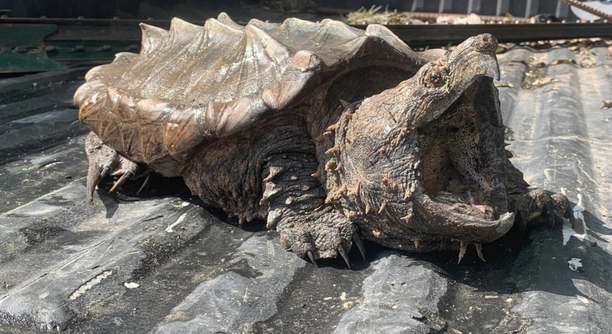
Alligator snapping turtles are fascinating creatures, but many myths surround them. From their behavior to their habitat, misconceptions are common. It’s time to separate fact from fiction and understand these ancient reptiles better.
Alligator snapping turtles are often misunderstood due to misconceptions about their temperament, diet, and size. These turtles are not aggressive by nature, their diet consists of more than just fish, and they can grow much larger than most people realize.
Let’s look at some of these myths closely and clear up any confusion. Understanding their true nature will help you appreciate these remarkable animals even more. Keep reading to learn the facts behind the myths!
Myth 1: Alligator Snapping Turtles Are Always Aggressive
People often think of alligator snapping turtles as aggressive, dangerous creatures. This myth likely comes from their powerful jaws and intimidating appearance. In reality, these turtles are relatively calm and avoid confrontation whenever possible. They primarily rely on their slow movements and clever camouflaging to stay out of harm’s way. While they will defend themselves if threatened, they are not out to harm anyone.
They are known to be more passive than most people expect. If left undisturbed, they will mostly ignore humans.
These turtles spend much of their time underwater, staying still and waiting for food to swim by. They often use their unique, worm-like tongue to lure prey into their mouths. It’s important to remember that their defensive posture is just that—defensive. Alligator snapping turtles are more likely to retreat than attack if they feel threatened. Their primary instinct is survival, not aggression.
Myth 2: They Only Eat Fish
A common belief is that alligator snapping turtles only eat fish. While fish are part of their diet, they eat a variety of animals. These turtles are opportunistic hunters, feeding on whatever is available. They will consume amphibians, birds, small mammals, and even carrion.
Their diet also includes plants, especially in the wild, where they may eat aquatic vegetation. They aren’t strictly carnivorous and can adapt to different food sources depending on their environment.
This myth likely stems from their appearance and the fact that they often catch fish in their jaws. But alligator snapping turtles are more versatile eaters than many people realize. Their diet changes with seasons and available food. They are incredibly adaptable, ensuring they survive in various environments. It’s important to understand that they are omnivorous and their eating habits are diverse.
Myth 3: Alligator Snapping Turtles Grow to Over 500 Pounds
It’s a common misconception that alligator snapping turtles can reach sizes over 500 pounds. While these turtles are large, they don’t grow nearly as big as some believe. The heaviest recorded alligator snapping turtle weighs around 250 pounds.
The average size for an adult alligator snapping turtle is around 100 to 150 pounds. This is still quite large compared to many other turtles, but it’s nowhere near the 500-pound figure that some myths suggest. Their size varies depending on their habitat and diet, but they typically grow to be about 2 to 2.5 feet long.
Even though these turtles can grow quite large, their weight is often exaggerated. Their long lifespans and slow growth contribute to the myth that they grow to extreme sizes. It’s important to remember that while they are impressive in size, they are not the giant creatures some believe them to be.
Myth 4: Alligator Snapping Turtles Only Live in the Wild
Many people think alligator snapping turtles are only found in the wild, but that’s not true. They are also found in captivity in aquariums, zoos, and sometimes private collections.
While these turtles are native to the southeastern United States, they can adapt to life in captivity with proper care. However, keeping them as pets is not always recommended. Their size, diet, and need for specific living conditions make them difficult to care for in a home environment.
In the wild, alligator snapping turtles thrive in slow-moving rivers, lakes, and swamps, where they can find ample food. In captivity, they need a carefully controlled environment to mimic these conditions. This ensures they stay healthy and live a long life.
Myth 5: Alligator Snapping Turtles Can Live Anywhere
People assume that alligator snapping turtles can live in just any body of water. While they are adaptable, they need specific conditions to survive. Clean, slow-moving waters with plenty of food are ideal for them.
They thrive in the wild where there are mud, aquatic plants, and a stable water temperature. Without these conditions, they can struggle to survive. Captivity can provide a controlled environment, but their needs are not easily met in less-than-ideal settings.
Myth 6: Alligator Snapping Turtles Are Endangered Everywhere
Not all alligator snapping turtles are endangered. While they are considered endangered in some parts of their range, others are stable. Conservation efforts have helped increase their numbers in certain areas.
In some regions, these turtles have been able to thrive, particularly in well-protected environments. However, habitat destruction and illegal poaching continue to pose threats to certain populations.
Efforts to protect their natural habitats and regulate their capture have helped to improve the species’ situation in some places. Continued awareness and conservation work will be crucial to ensuring they don’t face extinction.
Myth 7: Alligator Snapping Turtles Are Dangerous to Humans
Alligator snapping turtles are often portrayed as dangerous to humans, but they generally aren’t a threat. These turtles are more focused on their own survival and will avoid people whenever possible.
They are capable of defending themselves with their powerful jaws, but attacks on humans are rare. Most of the time, they’ll retreat into the water when approached.
FAQ
What do alligator snapping turtles eat?
Alligator snapping turtles are omnivores. They eat a wide variety of food, including fish, amphibians, birds, small mammals, and aquatic plants. They also eat dead animals when available. Their diet varies depending on what is accessible in their environment, and they adapt their eating habits accordingly. In the wild, they use their worm-like tongue to lure fish and other prey into their mouths. Captive turtles may be fed a more controlled diet consisting of pellets, meat, and vegetables.
Where do alligator snapping turtles live?
Alligator snapping turtles are native to the southeastern United States. They are typically found in slow-moving rivers, lakes, and swamps, where they can easily blend into their surroundings. They thrive in freshwater habitats with plenty of aquatic vegetation and mud, which provides them with food and places to hide. While they are native to certain regions, they can be found in other areas as well when relocated or kept in captivity.
How long do alligator snapping turtles live?
Alligator snapping turtles have long lifespans, living an average of 30 to 50 years in the wild. Some individuals can live even longer, with certain turtles reaching over 70 years of age. Their longevity is partly due to their slow metabolism and their ability to avoid predators by blending in with their environment. In captivity, their lifespan can also be long if they are cared for properly in a suitable environment.
Are alligator snapping turtles good pets?
Alligator snapping turtles can be kept as pets, but they require a lot of care and attention. They grow to large sizes and need a spacious tank with clean water. They also require a varied diet, which can be difficult to maintain. Additionally, their powerful jaws can be dangerous, and they may not be suitable for homes with young children or inexperienced pet owners. In some places, it is illegal to keep these turtles as pets without a proper permit.
Can alligator snapping turtles swim?
Yes, alligator snapping turtles are excellent swimmers. They spend most of their time in the water and are well adapted for aquatic life. Their strong legs and webbed feet help them move through the water, and they are capable of swimming long distances. However, they are also comfortable in shallow waters where they can stay mostly still and wait for food to approach.
How big do alligator snapping turtles get?
Alligator snapping turtles are one of the largest freshwater turtles in North America. Adult turtles can grow to lengths of 2 to 2.5 feet and weigh anywhere between 100 to 250 pounds. The largest recorded individual weighed 249 pounds, but most don’t grow that large. These turtles can grow slowly over many years, reaching their full size in 20 to 40 years.
Do alligator snapping turtles bite humans?
Alligator snapping turtles are not typically aggressive towards humans. They may bite if threatened or handled improperly, as a means of self-defense. Their powerful jaws can inflict serious injury, so it’s important to be cautious when interacting with them. They are more likely to retreat into the water if left undisturbed. Most bites happen when someone attempts to touch or approach them in the wild, especially if the turtle feels cornered.
Are alligator snapping turtles endangered?
Alligator snapping turtles are listed as endangered in some parts of their range. Habitat loss, water pollution, and illegal hunting have all contributed to the decline of their populations. However, some areas have seen improvements in turtle numbers due to conservation efforts. It’s important to protect their natural habitats and enforce regulations against poaching to ensure the survival of these creatures.
How fast can alligator snapping turtles move?
Despite their large size, alligator snapping turtles are not particularly fast. On land, they move slowly, but in the water, they are much more agile. They can swim at a moderate speed, though they often prefer to remain stationary and wait for food to come to them. Their primary mode of hunting is by using their worm-like tongue to attract prey.
What are the best conditions for keeping an alligator snapping turtle in captivity?
For an alligator snapping turtle to thrive in captivity, it needs a large tank with plenty of clean water. The water temperature should be kept between 75°F and 80°F, and the pH level should be neutral. They need access to both deep and shallow areas to mimic their natural habitat. They also require a diet of varied protein sources and occasional plant matter. Providing a safe, secure environment is crucial for their long-term health.
Final Thoughts
Alligator snapping turtles are fascinating creatures that have captured the imagination of many. Despite the myths surrounding them, they are not as aggressive or dangerous as some people believe. In fact, they are more likely to retreat and avoid humans rather than engage with them. Their behavior is mostly driven by the need to survive and find food, not by aggression. While their powerful jaws and intimidating appearance may lead people to think otherwise, these turtles are more peaceful than many realize. It’s important to keep this in mind when encountering them, whether in the wild or in captivity.
Understanding the true nature of these turtles helps to correct the misconceptions that have built up around them over time. For instance, they do not grow to the extreme sizes often reported. While they are large and can weigh a lot, their size is more manageable than many myths suggest. They also have a varied diet and are not limited to eating only fish, as is often thought. Their adaptability to different environments and food sources is a key factor in their survival. The more we know about these creatures, the better we can respect and protect them.
If you’re considering keeping an alligator snapping turtle as a pet, it’s crucial to understand their needs. They are not simple pets to care for due to their size, diet, and habitat requirements. These turtles need a large tank, clean water, and a specific diet to stay healthy. While they are fascinating to observe, they require significant attention and effort to ensure they thrive. It’s important to make informed decisions if you are thinking about having one, and to always prioritize their well-being. Their natural habitats are the best places for them to live, but with proper care, they can also do well in captivity.

Hello,
If you enjoy the content that we create, please consider saying a "Thank You!" by leaving a tip.
Every little bit helps us continue crafting quality advice that supports the health, happiness, and well-being of pets around the world, for pets of all shapes, sizes, and species.
We really appreciate the kindness and support that you show us!