
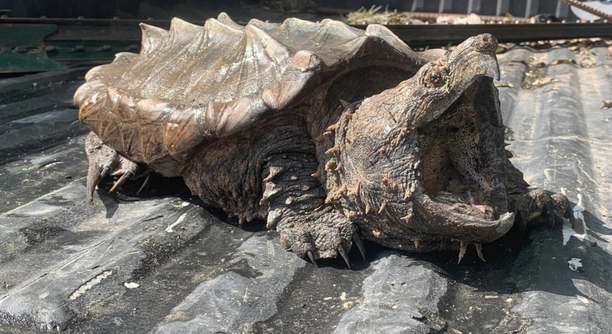
Your alligator snapping turtle’s growth might be slower than expected, leaving you wondering what could be going wrong. There are several factors at play that could be affecting your turtle’s growth rate, but don’t worry.
Several reasons may contribute to your alligator snapping turtle’s slow growth. Factors like inadequate diet, improper tank conditions, genetics, or lack of exercise are the most common culprits. Understanding these causes will help you address the problem effectively.
By looking into the factors that impact your turtle’s health and growth, you can ensure a better future for your pet. It’s important to check the environment and diet regularly to keep things in balance.
Improper Diet
One of the main reasons your alligator snapping turtle may not be growing as expected is an improper diet. These turtles are carnivores and need a high-protein diet to thrive. Offering the wrong kind of food or not providing enough variety can prevent them from reaching their full growth potential. If you’re feeding your turtle the wrong foods, such as too many plant-based items, it could impact its health and growth rate.
A proper diet includes live or frozen fish, worms, insects, and other animal protein sources. It’s also important to ensure they get the right vitamins and minerals for healthy growth. You can supplement their meals with calcium to help strengthen their shell and bones.
If you’re unsure about your turtle’s diet, consider researching more about their specific nutritional needs. By providing the right food, you’re supporting your alligator snapping turtle’s growth and overall health.
Tank Conditions
Tank conditions are just as important as diet when it comes to your turtle’s growth. They need a clean, spacious environment to thrive. Poor water quality, an insufficient tank size, or wrong temperature can significantly hinder their growth.
The water should be kept clean and filtered, and the tank should be large enough for your turtle to swim freely. The temperature also plays a role in digestion and overall growth, so keeping the water at the correct range is vital.
Insufficient Exercise
Lack of exercise can slow down your turtle’s growth. Alligator snapping turtles need space to move around, swim, and hunt. If your turtle is not getting enough physical activity, it could affect its development. Ensuring they have room to roam can make a difference in their health.
A smaller tank or a lack of proper enrichment can leave your turtle feeling confined and less active. This can result in stunted growth. To encourage more movement, create a stimulating environment with enough water to swim and places to hide. If your turtle isn’t moving enough, try adding more activities to encourage exercise.
Sometimes, adding live food or changing the tank layout can motivate your turtle to be more active. Keeping your turtle physically engaged can support its overall health and ensure that it grows as it should.
Genetics
Genetics plays a big part in how fast or large your alligator snapping turtle will grow. Some turtles grow slower due to their natural genetic makeup. It’s important to know that not all turtles grow at the same rate, even with the right conditions.
If you’ve checked all the factors like diet, exercise, and tank conditions and your turtle is still not growing, genetics may be the cause. You can try to optimize the environment, but some turtles may just grow slower than others. Keep monitoring your turtle’s health, and if it seems to be growing at a normal but slow rate, it may simply be in its nature.
Water Quality Issues
If the water in your turtle’s tank isn’t clean, it can affect their growth. Poor water quality can lead to stress, illness, and hinder digestion, which is essential for growth. You need to make sure the water is properly filtered and replaced regularly.
Dirty water can cause infections and other health problems that may slow down growth. Regularly testing the water for pH, ammonia, and other factors will help you keep it within the proper range. Make sure you’re cleaning the tank often to ensure the environment stays healthy for your turtle.
Stress
Stress is another factor that can delay your turtle’s growth. When your alligator snapping turtle feels threatened or uncomfortable, it may not grow at the expected rate. Stress can be caused by things like a noisy environment, improper tank mates, or even poor handling.
Make sure the tank is in a quiet area away from too much activity. Also, avoid adding incompatible species to the tank that might stress your turtle out. When your turtle feels secure and comfortable, it can focus more on growing.
FAQ
How fast do alligator snapping turtles grow?
Alligator snapping turtles grow at different rates depending on factors like diet, tank conditions, and genetics. On average, they can grow about 1 to 2 inches per year during their early years. However, they may slow down after reaching about 10 years of age. Ensuring they get the right food, space, and environment can help them grow at a healthy pace. With proper care, they can reach a maximum size of 26 to 30 inches.
What should I feed my alligator snapping turtle for growth?
To promote growth, you should feed your alligator snapping turtle a protein-rich diet. This includes live or frozen fish, worms, and insects. You can also add calcium supplements to support shell and bone health. It’s important to avoid feeding them too many plant-based foods, as they are primarily carnivores. Additionally, offering a variety of foods will help provide a well-rounded nutritional profile to encourage steady growth.
What temperature should the water be for my alligator snapping turtle?
The water temperature for your alligator snapping turtle should be between 72°F and 78°F (22°C – 26°C). Water that is too cold can slow down their metabolism, affecting digestion and growth. On the other hand, water that is too warm can cause stress and may promote the growth of harmful bacteria. Maintaining the right water temperature ensures that your turtle remains healthy and has the energy to grow.
Can my alligator snapping turtle grow in a small tank?
While it’s possible for your alligator snapping turtle to survive in a small tank, it’s not ideal for healthy growth. These turtles need space to move around and swim. A tank that’s too small may result in stress and restricted movement, which can stunt their growth. It’s recommended to provide a tank that’s at least 75 gallons for an adult alligator snapping turtle. The more space they have, the better they can grow.
How do I know if my alligator snapping turtle is healthy?
Healthy alligator snapping turtles are active and alert, with clear eyes and no signs of swelling or lesions on their shell or skin. They should be eating well and swimming regularly. If your turtle is lethargic, has abnormal behavior, or refuses food, this could indicate an underlying health issue. Regularly monitoring their diet, water conditions, and behavior will help ensure they stay healthy and grow properly.
How do I clean my alligator snapping turtle’s tank?
Cleaning your alligator snapping turtle’s tank regularly is essential for maintaining water quality and preventing illness. Change 25-30% of the water every week, and fully clean the tank once a month. Use a good filter to help maintain water clarity and remove waste. Scrub the sides of the tank and decorations with a non-toxic cleaner, and make sure to rinse everything thoroughly. Regular tank maintenance will create a healthier environment for your turtle to thrive.
What tank mates are suitable for alligator snapping turtles?
Alligator snapping turtles can be aggressive, so it’s important to choose tank mates carefully. It’s best to keep them alone or with other turtles of similar size. Avoid adding smaller fish or animals that may become prey. If you do add other tank mates, make sure they’re larger and can handle the turtle’s aggression. Keep in mind that stress from incompatible tank mates can impact your turtle’s growth and well-being.
How long does an alligator snapping turtle live?
Alligator snapping turtles are known for their longevity. In the wild, they can live for 50 years or more. In captivity, with proper care, they can live between 30 and 40 years. To ensure a long and healthy life, provide them with a balanced diet, a clean tank, and a stable environment. Their growth may slow down as they age, but their lifespan can be extended with the right care.
Why is my alligator snapping turtle not eating?
If your alligator snapping turtle refuses food, there could be a few reasons. It might be stressed due to poor water quality, unsuitable tank mates, or changes in its environment. Another reason could be an illness or injury. Check the water temperature, cleanliness, and overall conditions in the tank. If the refusal to eat persists for more than a few days, it’s best to consult a vet to rule out any health issues.
Is it okay to feed my alligator snapping turtle vegetables?
While alligator snapping turtles are primarily carnivorous, they can eat small amounts of vegetables occasionally. However, their diet should be focused on animal-based proteins like fish, worms, and insects. Too many vegetables can upset their digestive system and prevent them from growing properly. Offer vegetables as an occasional treat, but ensure the majority of their diet consists of protein.
Final Thoughts
Taking care of an alligator snapping turtle involves understanding its specific needs for growth and health. From providing a proper diet to ensuring the right tank conditions, every factor plays a role in their development. By focusing on a high-protein diet, clean water, and enough space, you can support your turtle’s growth. Remember, these turtles can grow at different rates depending on genetics, so don’t be alarmed if your turtle grows slowly. The key is to be patient and continue offering the best care possible.
Proper care extends beyond feeding. The tank should be large enough for your turtle to move and explore, as insufficient space can lead to stress and hinder growth. Regular water changes and monitoring the temperature are crucial to maintaining a healthy environment. Alligator snapping turtles are sensitive to changes in their surroundings, so try to keep things consistent. If you’re unsure about tank size or water conditions, doing some research or consulting a vet can provide helpful guidance.
Lastly, it’s important to be patient and observant. Turtles grow at their own pace, and as long as their basic needs are met, they should thrive. Keep an eye on their health, monitor their behavior, and provide a stress-free environment. If you notice anything unusual, don’t hesitate to seek professional advice. With the right care, your alligator snapping turtle can live a long and healthy life, reaching its full growth potential over time.

Hello,
If you enjoy the content that we create, please consider saying a "Thank You!" by leaving a tip.
Every little bit helps us continue crafting quality advice that supports the health, happiness, and well-being of pets around the world, for pets of all shapes, sizes, and species.
We really appreciate the kindness and support that you show us!