
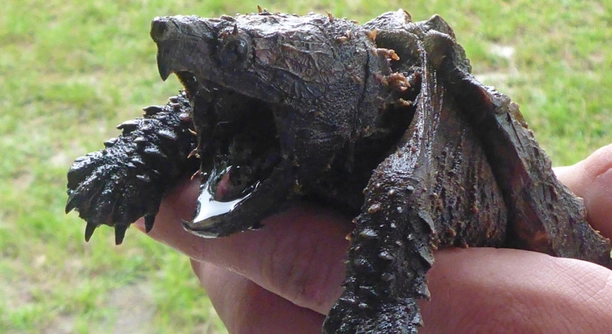
Properly cycling an alligator snapping turtle’s tank is crucial for ensuring a healthy, thriving environment. Before adding your turtle, the tank needs to be prepared to support its needs.
Cycling a tank involves establishing beneficial bacteria to break down waste. This process takes 4-6 weeks and ensures water quality remains safe for your turtle. The tank’s filter must also be running during this period.
Understanding how to cycle the tank properly will provide your turtle with a stable and clean home.
The Importance of Proper Tank Cycling
Cycling your alligator snapping turtle’s tank is essential for creating a balanced environment. This process establishes the right bacteria to help break down waste, keeping the water clean and safe. Without cycling, harmful toxins like ammonia and nitrites build up, leading to health issues for your turtle. The process of cycling takes time, so it’s important to start it well before introducing your turtle to the tank. Use a good filter, as it helps in this process by ensuring the bacteria have a place to thrive.
Once the cycling process is complete, testing the water is crucial. Use a water testing kit to ensure ammonia, nitrites, and nitrates are at acceptable levels. If these levels are too high, your turtle could become ill. Regular monitoring of water conditions will keep your tank stable and your turtle healthy.
Once the cycling is complete, you can add your turtle with confidence, knowing that the environment is safe and balanced for its needs.
Setting Up the Tank
Before cycling, make sure the tank is properly set up with everything your turtle needs. Add substrate, decorations, and plants that will give your turtle places to hide.
Now that the tank is ready, the cycling process begins. You can cycle the tank with or without fish, but adding fish will help speed up the process as they produce waste. Using an aquarium starter kit can help jump-start the bacteria needed for cycling. Keep in mind that the cycling process will take several weeks, during which you’ll need to monitor the tank regularly. Add a water heater if needed, as alligator snapping turtles prefer temperatures between 72°F and 78°F. Once your test results show that ammonia and nitrites are at zero, and nitrates are low, the cycle is complete. This process will not only make your turtle’s home safe but also ensure a smooth transition into its new environment.
The Role of Filtration
A good filtration system is essential for maintaining water quality during the cycling process. It helps to remove waste and excess nutrients, promoting the growth of beneficial bacteria. Choose a filter that’s appropriate for the size of your tank.
During cycling, the filter will trap debris and bacteria, preventing the build-up of toxins in the water. It’s important to clean the filter regularly but avoid doing so too often, as it can disrupt the bacteria growth. The filter should run continuously throughout the cycling process. A filter with mechanical, biological, and chemical filtration is ideal for this purpose, as it ensures that harmful substances are removed while creating an environment for healthy bacteria to thrive.
A filter that matches the size and needs of your tank will also improve water circulation, ensuring that all areas of the tank are covered. This helps to distribute the beneficial bacteria, allowing them to colonize efficiently. A good filter also reduces the need for frequent water changes, making tank maintenance easier in the long run.
The Importance of Water Testing
Testing the water is a critical step during the cycling process. Without testing, you won’t know when the tank is ready for your turtle. Regular testing helps monitor ammonia, nitrites, and nitrates.
Testing should be done frequently, especially in the first few weeks of cycling. Ammonia and nitrites are harmful to your turtle, and if their levels are high, it could be dangerous for your pet. As beneficial bacteria develop, ammonia and nitrite levels will drop, and nitrate levels will begin to rise. Keep an eye on these changes to determine the progress of the cycling process. A quality water testing kit will make this process easier and more accurate.
Make sure to test for all key water parameters, including pH, hardness, and temperature. These factors also affect the overall health of your turtle. Adjust the water’s pH or hardness if necessary, as the ideal range for alligator snapping turtles is between 7.5 and 8.0 for pH.
Adding Substrate and Decorations
Substrate is essential for creating a natural environment. Gravel, sand, or river rocks can be used, but avoid sharp objects that might harm your turtle. Decorations should also be turtle-safe.
The right substrate provides hiding spots and helps beneficial bacteria establish a home. It also encourages natural behaviors, such as foraging. Make sure the substrate is not too deep to avoid complications with cleaning and maintenance. Decorations like rocks and plants provide enrichment, which is important for your turtle’s well-being. A well-decorated tank helps your turtle feel secure and comfortable.
Water Heater Considerations
A water heater will help maintain the ideal temperature range of 72°F to 78°F for your alligator snapping turtle. This is crucial for their health and activity level.
Ensure the water heater is appropriately sized for the tank, as an undersized heater may struggle to maintain stable temperatures. Monitor the temperature regularly to avoid fluctuations, as extreme changes can stress your turtle. A reliable water heater ensures your turtle’s comfort, making it easier for them to adjust to their new environment.
FAQ
How long does it take to cycle an alligator snapping turtle tank?
Cycling a tank usually takes about 4 to 6 weeks. This period allows the beneficial bacteria to grow and establish a healthy environment for your turtle. The cycling process helps break down harmful substances like ammonia and nitrites, making the water safe for your turtle. Be patient during this time, as rushing the process can result in dangerous water conditions for your turtle.
Can I add my turtle to the tank before cycling is complete?
It is not advisable to add your alligator snapping turtle to the tank before the cycling process is complete. Adding your turtle too early can expose it to harmful toxins, which can lead to stress or illness. It’s best to wait until the ammonia and nitrite levels are at zero, and nitrates are at safe levels. Cycling ensures that the water is healthy and stable for your turtle.
What are the signs that my tank is properly cycled?
The main signs that your tank is cycled properly are when ammonia and nitrite levels are at zero, and nitrate levels are below 40 ppm (parts per million). You can test the water using a water testing kit to monitor these parameters. Once these conditions are met, it indicates that the beneficial bacteria are present and working effectively. If you’re unsure, continue testing the water until these levels stabilize.
Should I use fish to cycle my turtle tank?
Using fish in a turtle tank to help cycle it is a common practice, as fish waste accelerates the growth of beneficial bacteria. However, be mindful of the types of fish used and avoid adding your turtle until the cycle is complete. Some turtle species may prey on small fish, and fish may not be suitable for all types of tanks. If you choose to cycle with fish, ensure they are compatible with your turtle’s environment and safe to use in this process.
What type of filter is best for a turtle tank during cycling?
A canister filter or a high-quality external filter is ideal for a turtle tank during cycling. These filters are powerful and provide both mechanical and biological filtration, which is crucial for establishing a healthy bacterial colony. The filter should be rated for the size of your tank to ensure effective filtration. A filter that can handle both the waste produced by the turtle and any additional organic matter will help keep the water clean during the cycling process.
Is it necessary to add a water heater during the cycling process?
Yes, a water heater is necessary during the cycling process, especially for alligator snapping turtles. They thrive in water temperatures between 72°F and 78°F. Maintaining the correct temperature range ensures that the beneficial bacteria are growing and functioning properly. A stable temperature will also help reduce stress on the turtle once it is added to the tank. Make sure to choose a reliable heater that is appropriately sized for the tank to maintain consistent warmth.
What should the pH level of the water be for an alligator snapping turtle?
The ideal pH level for an alligator snapping turtle’s tank should be between 7.5 and 8.0. This slightly alkaline range mimics their natural environment. Testing the pH regularly will help you monitor the water quality. If the pH level falls outside this range, adjustments can be made using pH buffers to keep the environment suitable for the turtle’s health.
Can I speed up the cycling process?
While it’s best to let the tank cycle naturally, there are ways to speed up the process. Adding live plants can introduce beneficial bacteria more quickly. You can also use commercially available bacterial supplements that are designed to help jump-start the cycling process. However, it’s important not to rush, as a quick cycle could still result in unbalanced water conditions. Be sure to test the water frequently to ensure safe levels of ammonia and nitrites before introducing your turtle.
How do I clean the tank during the cycling process?
Cleaning the tank during the cycling process should be done carefully. Avoid removing too much water or disturbing the substrate, as this can affect the bacterial growth. You can remove excess waste and debris by using a vacuum or siphon. Clean the filter when it gets clogged, but don’t clean it too often, as this can disrupt the beneficial bacteria that are working to cycle the tank. Regular monitoring is key to keeping the tank in good condition while the cycle progresses.
What should I do if the ammonia or nitrite levels are too high?
If ammonia or nitrite levels are too high during the cycling process, it’s a sign that the bacteria colony isn’t fully established. You can do partial water changes to help reduce the levels temporarily, but avoid doing large water changes as this can delay the cycle. Keep testing the water and allow the bacteria to continue developing. In some cases, adding bacterial supplements can help speed up the process. Once the bacteria colony has matured, these levels will naturally drop to safe levels.
Can I add live plants to the tank during cycling?
Yes, adding live plants to the tank during the cycling process is beneficial. Plants help absorb excess nutrients, such as ammonia and nitrites, which can assist in the cycling process. They also provide hiding spots and enrichment for your turtle once it’s added to the tank. However, make sure the plants are suitable for your turtle’s environment, as some plants may be eaten or damaged by turtles. Adding plants will help create a more natural and stable ecosystem in the tank.
Final Thoughts
Properly cycling an alligator snapping turtle’s tank is crucial for maintaining a safe and healthy environment. The process may take time, but it ensures that the water conditions are stable before introducing your turtle. It’s essential to monitor the tank’s ammonia, nitrite, and nitrate levels regularly. This helps you know when the tank is ready and ensures that the water quality is safe. Patience is key during the cycling process, as rushing it can lead to harmful water conditions for your turtle. Once the cycle is complete, you can be more confident that the tank will support your turtle’s long-term health.
Choosing the right filtration system is just as important as cycling the tank. A good filter will help maintain water quality by removing excess waste and debris. The filter should be sized appropriately for your tank to ensure it can handle the waste produced by your turtle. Regularly cleaning the filter and removing debris from the tank is essential for maintaining a healthy environment. In addition to filtration, using a water heater to maintain the correct temperature is necessary for both your turtle’s comfort and the proper functioning of the beneficial bacteria.
Once your tank is fully cycled and properly set up, you can confidently add your alligator snapping turtle to its new home. It’s important to keep monitoring water parameters, as even small changes in the environment can affect the health of your turtle. Routine maintenance, such as partial water changes, substrate cleaning, and filter care, will help ensure a stable and safe habitat. By following these steps, you can create an environment where your turtle can thrive for years to come.

Hello,
If you enjoy the content that we create, please consider saying a "Thank You!" by leaving a tip.
Every little bit helps us continue crafting quality advice that supports the health, happiness, and well-being of pets around the world, for pets of all shapes, sizes, and species.
We really appreciate the kindness and support that you show us!