
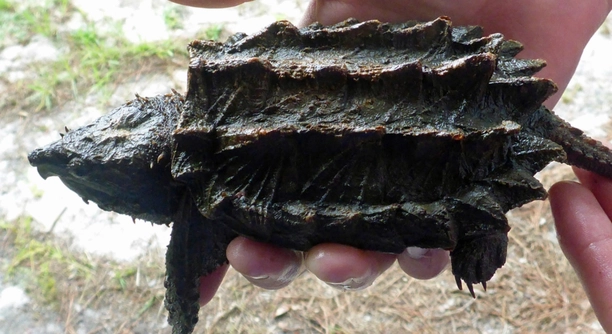
Large alligator snapping turtles need clean and well-maintained tanks to thrive. Choosing the right filter ensures water quality, preventing issues like algae growth and poor health. Finding the best filter can make all the difference.
The best filters for large alligator snapping turtle tanks are those that offer high flow rates, effective mechanical and biological filtration, and reliable durability. Canister filters are ideal for handling the heavy load of waste these turtles produce, keeping the water clean.
Maintaining the right filter will ensure your turtle’s habitat remains healthy and comfortable. Understanding the types and features will help you choose the most effective option for your setup.
Types of Filters for Large Alligator Snapping Turtle Tanks
When choosing a filter for your alligator snapping turtle tank, there are several types to consider. Canister filters are often the go-to choice due to their power and efficiency. They handle larger tanks and the heavy waste load these turtles produce. Another option is hang-on-back filters, which are easier to maintain but may not be as powerful. Sponge filters are perfect for smaller setups, providing gentle filtration without disturbing the water too much. Each filter type has its benefits, depending on the size of the tank and your turtle’s needs.
Canister filters stand out for their ability to process large amounts of water, making them ideal for large tanks. Their versatility allows them to be placed discreetly beneath the tank, keeping the setup neat. This helps maintain both water quality and the visual appeal of your tank.
Sponge filters are perfect for smaller setups but may not be as effective in larger tanks. They provide gentle filtration that doesn’t disturb aquatic plants or smaller creatures but are best suited for low-flow systems.
Features to Look for in a Filter
When selecting a filter, water flow rate and filtration capacity are crucial. Filters with adjustable flow rates help control the water movement to match your tank’s size. Choose filters that can handle the high organic load produced by alligator snapping turtles.
In addition to the flow rate, the filtration system must offer both mechanical and biological filtration. Mechanical filtration removes debris, while biological filtration ensures harmful toxins are broken down, improving water quality. Choose a filter that combines both types for optimal results. A filter with sufficient capacity will prevent buildup and reduce maintenance time, keeping the tank clean and safe for your turtle. A filter with easy-to-replace media will also simplify maintenance.
Importance of Filter Size
The size of the filter should match the size of your tank. A filter that is too small won’t effectively handle the waste produced by your turtle. Choose a filter that is rated for a tank larger than your setup to ensure optimal performance.
A properly sized filter helps maintain water quality by providing sufficient water flow and filtration. Filters that are too small can cause water to become murky and lead to poor conditions for your turtle. Larger filters are more capable of handling heavy waste load, preventing frequent cleaning. This allows you to maintain a healthier tank environment with minimal effort.
It’s also important to consider the filter’s capacity for mechanical and biological filtration. A larger filter typically has more space for filtration media, meaning it can handle the demands of a larger tank. This improves the overall water quality and reduces the need for frequent water changes, which can be time-consuming.
Filter Maintenance
Regular maintenance is essential to keep your filter working efficiently. Clean or replace filter media as needed to prevent clogging and ensure the filter remains effective. Neglecting maintenance can lead to a decrease in filtration performance.
Filters need periodic cleaning to prevent buildup of debris and waste. This includes rinsing out mechanical filter media, cleaning biological media, and checking for any clogs or blockages. Biological filters need to be cleaned gently to preserve the beneficial bacteria that help break down toxins. Failing to clean your filter regularly can result in poor water quality, causing harm to your turtle. It’s important to follow the manufacturer’s guidelines to ensure proper upkeep.
Regular maintenance extends the life of your filter and improves its efficiency. Cleaning the filter can be done every few weeks or as the manufacturer recommends. For larger tanks, you might need to clean it more often to keep up with the waste load produced by your turtle. Maintaining a clean filter also helps prevent issues like algae growth and murky water, ensuring a healthier environment for your turtle.
Cost vs. Quality
When choosing a filter, balance cost and quality. Cheaper filters may seem appealing but often don’t provide the necessary power or durability. Investing in a high-quality filter ensures long-term water quality and reduces frequent replacements.
A good-quality filter will save money in the long run by requiring fewer repairs and replacements. Though more expensive, higher-end models typically come with better features, such as longer-lasting filtration media and more efficient motor systems. Additionally, they tend to be more energy-efficient, lowering the cost of running them over time.
Cheap filters may not handle heavy waste loads or provide the needed filtration for large tanks, meaning they can end up costing more in maintenance and water changes. A higher initial cost for a better filter will improve the overall health of your tank and turtle in the long run.
Energy Efficiency
Energy efficiency is an important consideration when selecting a filter. Filters that consume less energy help reduce electricity costs, especially when used continuously for large tanks.
Choosing an energy-efficient filter means you’re not only helping the environment but also keeping your running costs lower. Some high-end models come with energy-saving features like low-power motors or more efficient filtration systems that reduce electricity consumption while still delivering top performance. These filters are designed to run continuously without driving up your utility bills.
Quiet Operation
A filter that operates quietly is essential in maintaining a peaceful environment, especially in larger tanks. Filters that produce less noise help avoid distractions, making the aquarium more enjoyable to observe.
Noisy filters can be bothersome, especially if the tank is placed in a shared living space. Look for filters with noise-reduction technology to minimize sound. Even large canister filters can be surprisingly quiet if they are well-built and properly maintained. A quieter filter ensures the focus remains on the well-being of the turtle and the aesthetic of the tank without constant background noise.
FAQ
What is the best filter for a large alligator snapping turtle tank?
The best filter for a large alligator snapping turtle tank is typically a high-capacity canister filter. These filters are capable of handling large volumes of water and the high waste load produced by snapping turtles. They provide both mechanical and biological filtration, ensuring clean water. Look for one with adjustable flow rates to match the tank’s needs. The filter should also be easy to clean and maintain, with high-quality filtration media that can last for a long time.
How often should I clean my filter?
Cleaning your filter every 4-6 weeks is generally recommended, depending on the size of your tank and the number of turtles. However, you may need to clean it more frequently if your snapping turtle produces a lot of waste. Always check the filter’s condition regularly and perform maintenance as needed. Rinse out mechanical filtration media and replace biological media only when necessary to preserve beneficial bacteria. This helps ensure the filter continues to work effectively.
Can I use a hang-on-back filter for a large turtle tank?
While hang-on-back filters are great for smaller setups, they may not be suitable for large alligator snapping turtle tanks. These filters often lack the power needed to handle the high waste load produced by large turtles. Canister filters are generally more efficient and better suited for bigger tanks. If you prefer a hang-on-back filter, make sure it is rated for a larger tank size and has a high flow rate.
What flow rate should my filter have for a large turtle tank?
The flow rate of your filter should be at least 4-5 times the tank’s volume per hour. For example, if your tank holds 100 gallons of water, choose a filter that can process at least 400-500 gallons of water per hour. This ensures the filter can handle the waste and keep the water clean. Too low a flow rate can lead to poor filtration and water quality issues.
Do I need to run the filter 24/7?
Yes, your filter should run 24/7 to maintain consistent water quality. Alligator snapping turtles produce a significant amount of waste, and constant filtration is necessary to remove toxins and debris from the water. Turning the filter off periodically can cause water quality to deteriorate, leading to health issues for your turtle.
Can I use a sponge filter for a large alligator snapping turtle tank?
Sponge filters are more suitable for smaller tanks or tanks with fewer turtles. For a large alligator snapping turtle tank, a canister filter is generally recommended due to its superior filtration capacity. Sponge filters provide gentle filtration but may not be able to handle the heavy waste load produced by a large turtle. If you’re keeping a smaller turtle or a few smaller species in a smaller tank, a sponge filter could work.
How do I know if my filter is working properly?
Monitor the water quality in your tank to ensure your filter is functioning properly. Clear water without excessive debris or algae growth is a good sign. If the water looks cloudy, the filter may need cleaning or may not be powerful enough for the tank. You can also check the filter’s flow rate and listen for unusual sounds. A drop in water flow or loud noises could indicate that the filter is clogged or malfunctioning.
Can I add live plants with my filter?
Yes, you can add live plants to your tank even with a filter in place. In fact, live plants can help improve water quality by absorbing excess nutrients. However, keep in mind that alligator snapping turtles can sometimes disturb plants, so choose hardy species that can withstand their presence. A strong filter won’t harm the plants, but ensure that the flow rate is not too high, as this could uproot them.
How do I maintain my canister filter?
To maintain a canister filter, clean the filter media regularly and replace it when necessary. Disassemble the filter and rinse the parts under water, but avoid using soap or chemicals. Inspect the tubing for blockages and clean the impeller to ensure smooth operation. It’s also important to monitor the filter’s performance to make sure it’s still filtering effectively. Over time, you may need to replace the motor or other internal parts, so keep an eye on its condition.
What are the signs that my filter is too small for my tank?
If your filter is too small for your tank, you may notice cloudy water, excessive debris accumulation, or algae growth. A weak flow rate or water that looks dirty even after cleaning is another sign that the filter is not up to the task. Your turtle may also appear stressed or lethargic, which could indicate poor water quality. If these problems persist, consider upgrading to a more powerful filter to better handle the tank’s size and waste load.
Final Thoughts
Choosing the right filter for a large alligator snapping turtle tank is essential for maintaining clean water and a healthy environment for your turtle. The filter you select should be capable of handling the large waste load produced by snapping turtles. Canister filters are often the best choice due to their higher filtration capacity and durability. They are designed to handle heavy waste and large volumes of water, ensuring that your turtle’s habitat remains clean and clear. It’s important to match the filter’s flow rate with the size of your tank to ensure it operates efficiently.
When selecting a filter, it’s also crucial to consider its energy efficiency and noise level. A good filter should run 24/7 without causing a noticeable increase in your electricity bill. Models that are energy-efficient will help keep operating costs low over time. Additionally, look for a filter that operates quietly, especially if your tank is located in a living or bedroom space. A noisy filter can be disruptive, and a quieter model will contribute to a more peaceful environment. Always choose a filter that suits both your turtle’s needs and your living space.
In the long run, investing in a quality filter will save you money on maintenance and ensure your turtle stays healthy. A well-maintained filter will reduce the need for frequent water changes, preventing issues like algae growth and harmful toxins. Regularly cleaning and maintaining the filter is crucial for its longevity and performance. By selecting the right filter and keeping it in good working condition, you’ll provide your alligator snapping turtle with a clean, safe, and comfortable home for years to come.

Hello,
If you enjoy the content that we create, please consider saying a "Thank You!" by leaving a tip.
Every little bit helps us continue crafting quality advice that supports the health, happiness, and well-being of pets around the world, for pets of all shapes, sizes, and species.
We really appreciate the kindness and support that you show us!