
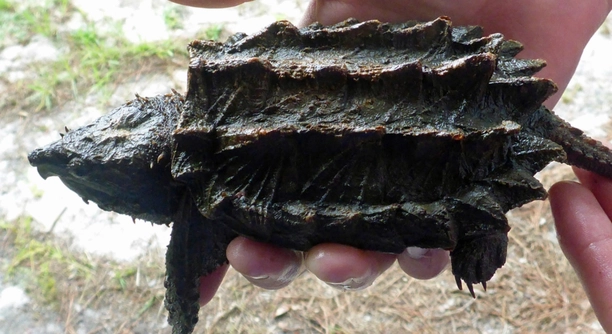
If you have an alligator snapping turtle, you may already know how important proper care is to keep it healthy. Light plays a big role in their well-being, but too much can cause problems.
Excessive light exposure can harm your alligator snapping turtle by affecting its behavior, health, and even its shell. Prolonged exposure to bright lights can disrupt their natural cycle, leading to stress and potential long-term damage.
Understanding the signs of overexposure will help keep your turtle safe and comfortable. Recognizing these symptoms early can make a big difference in preventing any serious health issues.
1. Increased Stress and Restlessness
Too much light can cause your alligator snapping turtle to feel stressed and uneasy. In the wild, these turtles live in dark, murky waters, so constant exposure to bright light can be overwhelming for them. Stress may lead to them being more active during the day, but it’s not a sign of good health.
It’s important to monitor your turtle’s behavior closely. If it’s moving around more than usual or appears to be pacing or swimming aimlessly, the light levels may need to be adjusted. Constant movement often signals discomfort.
When exposed to excess light, turtles can also experience a higher level of anxiety. This stress can interfere with their eating habits, leading to a lack of appetite or unusual eating patterns. Over time, this behavior can affect their overall health. Creating a balanced environment, with periods of darkness and low light, helps your turtle maintain its natural rhythm and feel secure in its space. The proper light cycle is essential for their well-being.
2. Excessive Shedding
If your turtle is shedding more frequently than usual, too much light may be the reason. Bright light can dry out their skin, leading to peeling and shedding.
Prolonged exposure to bright lights can also contribute to dehydration. A humid environment with controlled lighting helps avoid this issue. Without proper light control, your turtle’s skin will continue to suffer.
3. Lack of Appetite
Too much light can cause your turtle to lose its appetite. A turtle that’s exposed to bright light for too long might feel stressed and won’t want to eat.
In their natural environment, alligator snapping turtles live in dim, murky waters. They aren’t used to intense light. Bright lighting can make them feel uncomfortable, disrupting their feeding habits. This can result in weight loss or slower growth.
It’s crucial to observe your turtle’s eating habits closely. If you notice that it’s avoiding food or eating less than usual, you should consider adjusting the lighting conditions. Providing a darker, more relaxing environment can help your turtle feel more comfortable and encourage it to eat. Maintaining a proper light schedule can prevent stress-related loss of appetite.
4. Abnormal Behavior
Bright lights can cause changes in your turtle’s behavior, such as excessive hiding or aggression. When overexposed to light, turtles may retreat into their shells more often or become more defensive.
Excessive exposure to light doesn’t just make them feel uncomfortable physically but mentally as well. This can make them nervous, affecting how they interact with their environment. Turtles might become more withdrawn or act aggressively if they feel threatened by the light. Too much light can also disrupt their natural sleeping cycle, making them more irritable.
Ensuring your turtle has access to areas where it can escape bright light, such as shaded spots or hiding spaces, will help it feel safe and calm. With the right amount of light, you can encourage more normal behavior.
5. Discoloration of the Shell
Excessive light can lead to discoloration in your turtle’s shell. When exposed to too much bright light, the protective outer layer of the shell can weaken or become discolored.
This can result in a pale or washed-out appearance. If the turtle is exposed to bright artificial light for long periods, it may struggle to maintain its natural coloring. This can also weaken the shell’s overall health, making it more vulnerable to damage. Reducing light exposure allows the shell to regain its strength and natural color.
6. Increased Risk of Overheating
Too much light can cause your turtle’s habitat to overheat. If the temperature rises beyond what your turtle is comfortable with, it could lead to stress and dehydration.
A constant, high-temperature environment isn’t suitable for your turtle. While they do need heat, exposure to excessive light can cause them to become overheated, which can lead to health problems. Ensure that you maintain a proper light cycle and temperature regulation in their tank. This will help them stay cool and avoid the risk of overheating.
7. Disrupted Sleep Cycle
Bright light disrupts your turtle’s sleep cycle. If it’s exposed to artificial light for too long, it may struggle to sleep properly.
Lack of sleep can cause stress and physical issues for your turtle. They need periods of darkness to rest and recover. If the light is too intense or too constant, they may stay awake longer than necessary. Ensuring proper light and dark periods helps maintain a healthy sleep routine. Without this balance, your turtle’s overall health can decline.
FAQ
What type of lighting is best for my alligator snapping turtle?
The best lighting for your alligator snapping turtle should mimic its natural environment. Use a combination of UVB light and a heat source. UVB light helps your turtle synthesize vitamin D3, which is essential for calcium absorption. Make sure the heat source provides warmth but doesn’t cause excessive heat. A 10-12 hour light cycle, with periods of darkness, is ideal to help them maintain a natural rhythm. This will keep them comfortable and help regulate their sleep-wake cycle.
How much light should I provide for my turtle each day?
Alligator snapping turtles need 10 to 12 hours of light each day. During the day, light should be bright but not constant, as they also need time to rest in a darker environment. Keep the lighting consistent to help your turtle adjust to a regular schedule. In the wild, they experience sunlight filtered through water, so don’t overdo the brightness in their tank. A regular light-dark cycle also supports their natural biological rhythm and helps avoid stress.
Can too much light cause my turtle to become stressed?
Yes, excessive light can stress your turtle. Alligator snapping turtles are used to the dim, murky waters of their natural habitat, so bright, direct light can overwhelm them. When stressed by too much light, your turtle may become more active than usual, exhibit strange behaviors, or refuse to eat. To reduce stress, make sure your turtle has access to areas where it can escape the light, such as shaded spots or hiding spaces in the tank.
How can I tell if my turtle is getting too much light?
There are several signs that indicate your turtle may be getting too much light. If you notice that your turtle is more active than usual or constantly trying to escape the light, it could be a sign of stress. A lack of appetite, discolored shell, or changes in behavior such as hiding or aggression can also indicate that the light is too intense. If any of these symptoms appear, consider adjusting the light intensity or reducing the amount of time the light is on.
Is it okay to keep the light on all day for my turtle?
Keeping the light on all day is not recommended for your alligator snapping turtle. In nature, they experience a cycle of day and night, with periods of darkness for rest. Having the light on constantly can disrupt their sleep cycle, leading to stress, restlessness, and behavioral changes. A 10-12 hour light cycle is ideal, and make sure to provide enough time for your turtle to relax in darkness during the night.
Can excessive light affect my turtle’s shell?
Yes, too much light can affect the condition of your turtle’s shell. Overexposure to bright light can lead to shell discoloration or even damage. This happens because excessive light can dry out the shell and weaken its protective layers. If your turtle’s shell appears pale, cracked, or brittle, it may be a sign of too much light. Reducing the exposure to bright light will help restore the shell’s health and appearance.
What should I do if my turtle isn’t eating due to too much light?
If your turtle isn’t eating, the first step is to check the lighting. If the light is too bright or the tank is too hot, this could be causing stress, which can lead to a loss of appetite. Reduce the light intensity and temperature and create shaded areas in the tank to help your turtle feel more comfortable. Once the lighting conditions are improved, your turtle should start eating normally again. If the problem persists, it may be a good idea to consult a vet to rule out other causes.
How can I adjust the light cycle for my alligator snapping turtle?
To adjust the light cycle, you can use a timer to ensure the lights turn on and off automatically. Set the timer for 10-12 hours of light each day, followed by a period of darkness. This will mimic the natural light cycle of your turtle’s native environment. Make sure to gradually adjust the light intensity if necessary, as sudden changes may cause additional stress. Proper lighting is essential for their health and well-being.
Can I use artificial light for my alligator snapping turtle’s tank?
Yes, artificial light is fine for your turtle’s tank, as long as it’s the right type. UVB light is essential for turtles to synthesize vitamin D3, which helps with calcium absorption. You should also provide a heat source to create a warm basking spot. Be sure to avoid using regular incandescent bulbs, as they won’t provide the necessary UVB rays. The combination of UVB light and heat will help your turtle maintain a healthy shell and overall health.
How often should I clean the tank when using artificial lighting?
It’s important to clean the tank regularly to prevent any buildup of waste or algae, especially when using artificial lighting. Excessive light can promote algae growth, so cleaning the tank once a week is recommended. Wipe down the tank’s surfaces, remove any debris, and change the water regularly to keep the environment healthy for your turtle. Proper tank maintenance ensures that your turtle’s habitat remains comfortable and stress-free.
Final Thoughts
Taking care of an alligator snapping turtle requires attention to several factors, and light is one of the most important. While turtles need light for their health, it’s essential to get the balance right. Too much light can stress them out, leading to a variety of issues such as changes in behavior, loss of appetite, and even problems with their shell. It’s easy to assume that more light is better, but that’s not always the case for these creatures. A proper light cycle of 10 to 12 hours is usually enough to keep them healthy.
The effects of excessive light on your turtle’s health should not be ignored. If you notice signs such as constant hiding, loss of appetite, or shell discoloration, it’s likely a sign that the light exposure is too intense. By adjusting the light intensity and ensuring there’s enough time for darkness, you can reduce stress and help your turtle feel more at ease. The goal is to create an environment that mirrors their natural habitat as much as possible, offering both light and shadow in balance.
In conclusion, understanding the needs of your alligator snapping turtle will help you provide the best care possible. Pay attention to their behavior and make adjustments when needed. Proper lighting, along with other aspects like water quality and temperature, will contribute to your turtle’s well-being. With the right care, your turtle can live a long and healthy life in a comfortable environment. It’s all about creating a habitat that supports their natural instincts and keeps them stress-free.

Hello,
If you enjoy the content that we create, please consider saying a "Thank You!" by leaving a tip.
Every little bit helps us continue crafting quality advice that supports the health, happiness, and well-being of pets around the world, for pets of all shapes, sizes, and species.
We really appreciate the kindness and support that you show us!