
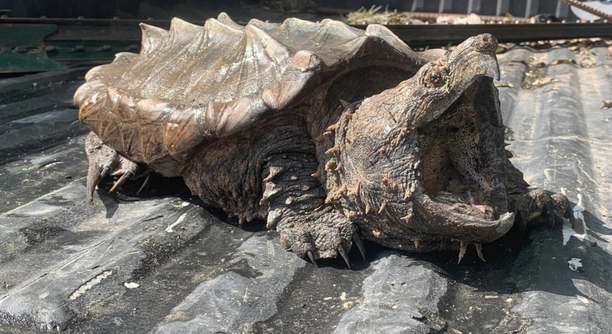
Alligator snapping turtles are fascinating creatures with a number of unique traits that set them apart from other turtles. These reptiles are ancient and have evolved in remarkable ways, making them a truly intriguing species to learn about.
Alligator snapping turtles are distinctive due to their powerful jaws, specialized hunting technique, and long lifespan. They possess a worm-like appendage in their mouths that helps attract prey, and their strong bite is capable of crushing bones.
Their unusual behaviors, physical traits, and survival tactics make alligator snapping turtles stand out in the animal kingdom. Learning more about them reveals the clever adaptations that help them thrive.
Powerful Jaws and Crushing Bite
Alligator snapping turtles have one of the strongest bites in the animal kingdom, capable of crushing through bones and tough prey. Their jaws are designed for this specific purpose, giving them a unique advantage in the wild. Unlike other turtles that rely on softer food, these turtles need to eat things like fish, crustaceans, and even small mammals. Their powerful jaws help them tear through their meals with ease. This physical trait is essential for their survival in the wild, where they need to hunt and eat a variety of foods. Their bite is so strong that it can even cause serious injury to predators.
Their bite strength helps them survive in tough environments and gives them an edge over other predators. The combination of sharp, serrated edges and intense force makes these turtles formidable hunters.
This bite is also linked to their unique hunting method. Alligator snapping turtles use a worm-like appendage inside their mouths to lure prey. They sit perfectly still and wait for fish or smaller creatures to approach, thinking it’s food. When the prey gets close, the turtle strikes, using its strong jaws to capture and swallow it in one swift motion.
Unique Hunting Technique
Alligator snapping turtles are exceptional hunters due to their unique technique. They use a specialized appendage inside their mouths to attract prey. This method helps them conserve energy by sitting still for long periods, waiting for fish or other small creatures to swim by.
The worm-like appendage in their mouths looks like a lure. It moves and wiggles, mimicking the movement of small fish or other food. This clever trick helps the turtle catch its meal without expending much effort. When the prey gets too close, the turtle strikes quickly and forcefully, ensuring a successful catch. This tactic is efficient and allows them to survive in their natural habitat with minimal energy wasted. The appendage is a key feature of their success in hunting, giving them an advantage over other predators.
Long Lifespan
Alligator snapping turtles can live up to 100 years in the wild, making them one of the longest-living reptiles. This impressive lifespan allows them plenty of time to mature and adapt to their environment. Their slow aging process is tied to their low metabolic rate, which is typical for many turtle species.
Their long life contributes to their slow reproductive cycle. Alligator snapping turtles reach sexual maturity at around 11 to 13 years of age, which is significantly longer compared to many other turtles. This slow development means they have fewer opportunities to reproduce, making their population more vulnerable to environmental threats. Despite their longevity, the young turtles take years to grow to a size large enough to avoid predators. This slow growth and delayed maturity ensure they live a long, slow-paced life, which helps them survive in their natural habitat.
The long lifespan also gives these turtles a chance to witness changes in their environment over many decades. They can adapt to changes in food availability, climate, and other factors, making them more resilient over time. However, this long life also means they have a higher risk of facing threats like habitat loss and pollution, which can affect their ability to thrive.
Slow-Moving Nature
Alligator snapping turtles are known for their slow movements, especially on land. They are not built for speed, which is why they prefer staying in water where they can move more easily. Their heavy, armored shells and stocky build make them appear sluggish.
While they may not move fast, their slow and steady nature works well for them in their environment. In water, they are better suited to ambush their prey and remain undetected. The slow pace helps them conserve energy and remain hidden from predators. On land, they tend to be even more sluggish, often waiting for food or seeking shelter in the mud or debris. Despite their slow movements, they are quite efficient hunters when underwater, using their patience and unique hunting methods to capture prey.
This slow-moving behavior also helps them avoid unnecessary risks. By staying hidden and conserving energy, they reduce their chances of encountering predators or wasting precious resources. It’s a survival strategy that has served them well throughout their long lives.
Distinctive Appearance
Alligator snapping turtles have a rugged, ancient look. Their rough, spiky shells resemble an alligator’s back, which is how they got their name. Their appearance helps them blend into their surroundings, making them hard to spot in their natural habitat. Their large heads and sharp, jagged features make them instantly recognizable.
This unique appearance is not only for camouflage but also provides protection from predators. Their hard, spiked shells serve as armor, helping them avoid attacks. The jagged edges and thick, tough shell provide a defense mechanism that works effectively against most threats in the wild.
Specialized Diet
These turtles are carnivorous and have a varied diet. They primarily eat fish, amphibians, crustaceans, and occasionally small mammals. Their strong jaws help them catch and crush hard-shelled prey, making them well-equipped for hunting in their environment. Their diet helps them maintain energy for survival.
Alligator snapping turtles are opportunistic feeders. They wait patiently for their prey to come close, using their unique mouth appendage to lure fish and other creatures. Their diet requires them to be highly adaptable, capable of consuming whatever is readily available in their environment. This helps them survive in various habitats, from freshwater lakes to rivers.
Habitat Preferences
Alligator snapping turtles thrive in freshwater environments such as rivers, lakes, and swamps. They prefer slow-moving waters where they can remain hidden. Shallow areas with plenty of submerged structures like logs and plants are perfect for their survival. These areas offer safety and food sources.
The calm waters allow them to move slowly and hunt effectively. These turtles prefer muddy or soft-bottomed areas where they can bury themselves for cover. Their habitat provides ample opportunities for hunting, as well as places for them to hide from larger predators.
FAQ
What do alligator snapping turtles eat?
Alligator snapping turtles are carnivores. They primarily eat fish, amphibians, crustaceans, and even small mammals. Their strong jaws allow them to catch and crush tough prey, such as crabs and snails. They are opportunistic feeders, using their unique worm-like appendage inside their mouths to attract fish. By sitting still and waiting, they can ambush their prey, making it easier to catch. They also sometimes scavenge on dead animals if food is scarce. This varied diet helps them survive in a variety of environments.
How long do alligator snapping turtles live?
Alligator snapping turtles are long-lived reptiles. They can live up to 100 years in the wild, although most turtles don’t reach this age due to predators or environmental challenges. Their long lifespan is due to their slow metabolism and low energy needs. These turtles take years to reach maturity, usually around 11 to 13 years of age. They don’t reproduce often, but their ability to survive for many decades gives them a better chance to adapt to their changing environment. This long life also means they witness environmental changes over time.
Are alligator snapping turtles endangered?
Yes, alligator snapping turtles are considered endangered in some regions, particularly in the southeastern United States. Habitat loss, pollution, and overhunting for their meat and shells have all contributed to their decline. Despite being protected by law in some areas, their populations are still at risk due to the slow reproductive rate and environmental threats. Conservation efforts are being made to help protect their habitats and ensure their survival in the wild. Still, they remain vulnerable due to the challenges they face in their environments.
What is unique about their hunting technique?
Alligator snapping turtles are known for their unique hunting method. Inside their mouths, they have a worm-like appendage that they use to lure prey. This appendage moves in a way that mimics the movement of a small fish, attracting unsuspecting prey. The turtle then waits patiently, conserving energy. When a fish or other creature gets close enough, the turtle strikes quickly and captures its meal. This tactic is highly effective, allowing them to ambush their prey without having to chase it. It’s a perfect strategy for a slow-moving animal.
How big do alligator snapping turtles get?
Alligator snapping turtles can grow quite large. Adult males can reach sizes of up to 26 inches (66 cm) in shell length and weigh around 175 pounds (79 kg). Females are generally smaller, averaging around 16 to 20 inches (41 to 51 cm) in shell length and weighing much less. Their large size is beneficial for protection against predators, as it’s more difficult for other animals to attack a turtle of their size. These turtles also have very strong jaws, which help them catch larger prey and defend themselves when needed.
Where do alligator snapping turtles live?
Alligator snapping turtles are primarily found in the southeastern United States. They live in freshwater rivers, lakes, and swamps, particularly in slow-moving waters with soft, muddy bottoms. These environments provide the cover and food they need to thrive. They prefer shallow waters with lots of submerged structures, such as logs and aquatic plants, where they can hide. They are often found in deep, slow-moving rivers and swampy areas, as these locations offer safety from predators and are abundant in prey.
How do alligator snapping turtles protect themselves?
Alligator snapping turtles use a combination of physical traits and behavior to protect themselves. Their hard, spiked shell acts as armor against predators, making it difficult for most animals to bite through. When threatened, these turtles often stay still, blending into their environment, which makes it hard to spot them. If necessary, they can retreat into the water, where they are better equipped to avoid danger. Their slow-moving nature also helps them remain hidden, avoiding detection by larger predators. These survival tactics help ensure their safety in the wild.
Do alligator snapping turtles make good pets?
Alligator snapping turtles are not ideal pets for most people. While they are fascinating creatures, they require a lot of space and a specific environment to thrive. They need a large tank with clean, well-filtered water, and their diet is specialized, requiring a variety of meats. In addition, they can grow very large and have powerful jaws that can cause injury if not handled properly. It’s also illegal to own them in some areas, as they are considered endangered species. If you’re considering one as a pet, it’s important to research their care thoroughly before making any decisions.
Can alligator snapping turtles swim?
Yes, alligator snapping turtles are strong swimmers. While they are slow movers on land, they are quite agile in water. Their powerful limbs and webbed feet allow them to move effectively through freshwater environments. They spend most of their lives in the water, where they hunt, mate, and hide from predators. Their slow-moving nature on land is balanced by their ability to swim gracefully in the water, using their strong, muscular legs to propel themselves. The water is where they feel most at home and are most capable of surviving.
How do alligator snapping turtles reproduce?
Alligator snapping turtles reproduce sexually. Males will seek out females during the mating season, typically in spring. After mating, females will lay a clutch of eggs, usually between 10 to 50, in nests they dig in sandy or muddy areas along riverbanks. The eggs are left to incubate for several months, and once hatched, the young turtles are on their own. Due to their slow reproductive cycle and long maturation period, it takes many years for alligator snapping turtles to reach maturity. This slow reproduction rate makes them more vulnerable to population declines.
Final Thoughts
Alligator snapping turtles are truly remarkable creatures, with a set of unique characteristics that help them survive in their natural environment. From their powerful jaws to their slow movements, everything about these turtles is designed for efficiency. Their distinctive appearance, with the spiked shell that looks like an alligator’s back, helps them blend in and avoid predators. The worm-like appendage in their mouths allows them to hunt in an efficient and energy-conserving way. These traits make them one of the most fascinating reptiles in North America.
However, the future of the alligator snapping turtle is uncertain. While they have survived for millions of years, their populations are currently at risk due to human activities. Habitat destruction, pollution, and overhunting for their meat and shells have all contributed to their decline. Conservation efforts are essential to ensure these turtles don’t disappear from the wild. Protecting their habitats and regulating their trade will be crucial in preserving these ancient reptiles for future generations. Without proper protection, the delicate balance that allows these turtles to thrive in the wild could be lost.
It is important to recognize how much we can learn from alligator snapping turtles. Their ability to adapt to different environments and use specialized hunting techniques shows how nature has equipped them to survive. By studying them, we can gain insights into the importance of conservation and the need to protect species that play a crucial role in their ecosystems. Alligator snapping turtles, though slow-moving, are a vital part of the natural world, and we should strive to ensure that they continue to live and thrive for many years to come.

Hello,
If you enjoy the content that we create, please consider saying a "Thank You!" by leaving a tip.
Every little bit helps us continue crafting quality advice that supports the health, happiness, and well-being of pets around the world, for pets of all shapes, sizes, and species.
We really appreciate the kindness and support that you show us!