
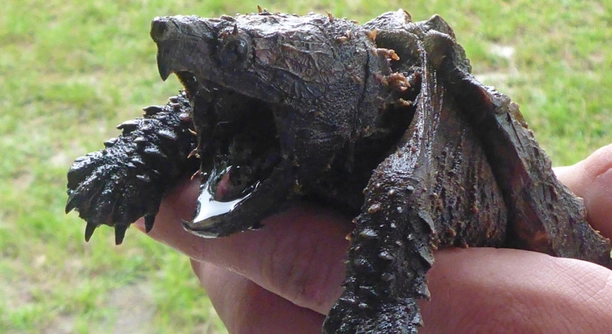
Alligator snapping turtles are fascinating creatures that have long captured the attention of animal lovers. Their unique appearance and behavior often spark curiosity about their ability to interact with humans and recognize different individuals.
Research indicates that alligator snapping turtles are not likely to recognize individual humans. These turtles tend to respond to their environment and actions rather than identifying people. Their behavior is primarily driven by instincts and not social recognition.
This brings us to the question of how these turtles interact with people. Understanding the reasons behind their responses can help us gain a better insight into their behavior.
Understanding Alligator Snapping Turtles’ Behavior
Alligator snapping turtles are naturally solitary and territorial animals, mainly focused on hunting and surviving in their environment. Their senses, like vision and smell, are well developed for detecting food and potential threats. However, unlike some animals that form strong bonds with humans, these turtles don’t show signs of recognizing specific people. Their interactions with humans tend to be based on the actions around them, like feeding or movement. Essentially, their behavior revolves around instinct rather than recognizing or remembering individual humans. This is important to keep in mind when handling or observing them in captivity.
This doesn’t mean alligator snapping turtles are uninteresting. While they may not bond with people, they do have fascinating behavior patterns. Watching them in action can give you a better understanding of their natural instincts, which can be quite mesmerizing.
When observing alligator snapping turtles, their primary focus is typically on their surroundings. They are opportunistic feeders, responding to movements that may signal food or danger. Their keen sense of smell can also guide them to food. Though they may become familiar with a consistent routine, they don’t seem to differentiate between individuals in the way some pets might. Their instinctual drive takes precedence over forming attachments or associations with specific people. Understanding this natural behavior helps us better respect their boundaries and not expect them to react as we might hope.
Factors Affecting Recognition
Though alligator snapping turtles are not known for recognizing people, other factors influence their reactions.
They are highly territorial and may become accustomed to a particular environment or routine, including interactions with caretakers. However, this doesn’t imply they recognize individual humans. Their response to humans is often linked to regular feeding schedules and environmental cues, rather than familiarity. These turtles may associate a particular person with food or safety but are not likely to differentiate between humans over time. They are creatures of habit, not social bonds.
In captivity, if they’re regularly fed by the same person, they may appear to approach that individual more willingly. This behavior is not necessarily a sign of recognition, but rather a learned response tied to feeding. The same principle applies to their natural habitat, where they might approach certain areas or structures due to the presence of food. However, this can easily be mistaken for recognition when, in reality, it’s a reaction to an environmental pattern. Understanding these patterns allows for a more accurate interpretation of their behavior.
Interacting with Alligator Snapping Turtles
Alligator snapping turtles are generally not interactive in the same way pets like dogs or cats are. They’re more likely to respond to feeding or changes in their environment, rather than interacting for companionship. These turtles don’t seek out human attention but may react to consistent patterns, like feeding times.
When handling them, it’s important to understand that they’re focused on survival instincts rather than socialization. Though they may not recognize individual people, they can get used to certain routines. Consistency in how you approach them can make them less defensive or stressed, but they won’t form a real connection. It’s crucial to avoid forcing interactions, as this could cause unnecessary stress.
Alligator snapping turtles are generally passive creatures. They are more likely to stay in one place and wait for prey to come by than actively seek out interaction with their environment or humans. While they may not display any desire to engage, a calm approach during feeding times can help reduce stress. They’re not playful like some other animals, but they do appreciate a stable environment. Understanding their need for calmness will help you approach them with respect and care.
Signs of Familiarity
Alligator snapping turtles may appear familiar with their caretakers over time.
If handled gently and consistently, they may seem to tolerate a particular person’s presence more than others. However, this is not true recognition in the way that some pets exhibit affection. Instead, it’s the result of their predictable environment and daily habits.
Though it can seem like these turtles are “familiar” with their caregivers, this behavior is primarily due to the routine established around feeding or care. Turtles tend to be creatures of habit and may learn to associate a person with their food or specific actions. This doesn’t mean they recognize individuals emotionally but rather that they respond to consistent patterns in their environment. It’s more about learning and less about recognition or attachment.
Are They Capable of Bonding with Humans?
Alligator snapping turtles do not form bonds with humans in the way some animals do. They are independent creatures and do not seek companionship. Instead, they respond to their environment and behaviors tied to their survival. Bonding is not part of their natural behavior.
Even though they don’t form bonds, these turtles may recognize consistent routines. Over time, they may tolerate a specific person’s presence because of familiar actions, like feeding. But this tolerance doesn’t equate to the emotional bond that some other animals might share with humans.
Behavior in Captivity
In captivity, alligator snapping turtles can adapt to specific routines. They may become accustomed to a particular person who regularly feeds or cares for them. This doesn’t mean they recognize the individual, but they may respond to familiar actions like feeding. Their behavior is still driven by instincts and learned patterns.
The Role of Consistency
Consistency is key when handling alligator snapping turtles. They are creatures of habit, so maintaining regular feeding and care routines can help them feel more secure. However, this doesn’t mean they will recognize you as an individual. They will simply learn to expect certain actions at specific times.
FAQ
Can alligator snapping turtles recognize their owners?
Alligator snapping turtles do not have the ability to recognize their owners in the way pets like dogs or cats might. They rely on instinct rather than forming emotional bonds. While they may become accustomed to a person feeding or caring for them, their responses are based on learned behaviors rather than true recognition. This means they may tolerate a specific person, but they do not actually “know” them as an individual.
How do alligator snapping turtles react to humans?
These turtles generally remain passive around humans. They are not aggressive but tend to avoid interaction unless there is food involved. If you consistently feed them or approach them in a calm, predictable manner, they might become more accustomed to your presence. However, this familiarity is limited to routine interactions rather than forming any sort of relationship. Their reactions are more about survival instincts and less about social behavior.
Can they form attachments to humans?
No, alligator snapping turtles do not form attachments to humans. Unlike some pets that seek affection or companionship, these turtles are solitary animals. They are focused on survival and are not inclined to seek out or form bonds with humans. Any familiarity with a person is likely based on consistent actions, such as feeding, rather than an emotional attachment.
Do alligator snapping turtles get used to people over time?
Over time, alligator snapping turtles may become more comfortable with specific individuals, especially if they are consistently cared for. However, this comfort is a result of routine rather than a deeper connection. They might recognize a person’s movements or feeding schedule, but this doesn’t indicate any kind of personal recognition or affection. They simply adapt to the regularity of their environment.
Why do alligator snapping turtles seem to follow certain people?
If an alligator snapping turtle seems to follow a particular person, it’s likely because they associate that person with food or a specific routine. They do not have the capacity to form social relationships, but they can learn to anticipate actions related to their survival. For example, a turtle may approach a person who regularly feeds them, but this behavior is rooted in routine, not recognition or bonding.
Can they remember people they’ve met before?
Alligator snapping turtles do not have the ability to remember people the way humans or some other animals can. Their memory is not built for recognizing individuals but is more focused on patterns in their environment. They may become familiar with a person’s actions if they are consistently part of their routine, but they will not remember a specific individual after a period of time without the same consistent interaction.
How can I build trust with an alligator snapping turtle?
Building trust with an alligator snapping turtle requires patience and consistency. They are creatures of habit, so providing a stable environment with regular feeding and care can help them feel more comfortable with you. However, it’s important to remember that trust in turtles is not the same as it is with pets that form emotional bonds. They may tolerate your presence, but they will not develop a personal connection. Respecting their need for space and minimizing sudden movements will also help in reducing stress.
Is it safe to handle an alligator snapping turtle?
Handling an alligator snapping turtle should be done with caution. These turtles have strong jaws and can be aggressive when threatened. If you must handle them, it’s essential to do so gently and with care. Always approach from the front and avoid startling them. In general, it’s best to limit handling and allow the turtle to stay in its natural environment. If you are unsure about handling them, consult with an expert or a vet.
How do I know if an alligator snapping turtle is stressed?
Signs of stress in an alligator snapping turtle may include rapid or shallow breathing, hiding, or an unwillingness to eat. They might also display defensive behaviors, such as snapping their jaws. If you notice these signs, it’s important to reduce stress by providing a calm and consistent environment. Avoid handling them excessively, and ensure their habitat is suitable and comfortable.
Do alligator snapping turtles enjoy company?
Alligator snapping turtles are solitary by nature. They do not seek the company of other turtles or animals and typically prefer to be left alone. In captivity, it’s best to keep them in a space where they can feel secure without competition for resources or space. Introducing other turtles could lead to territorial behavior and stress.
Final Thoughts
Alligator snapping turtles are fascinating creatures, but they are not social animals. Unlike pets like dogs or cats, they do not form bonds with humans or seek companionship. Their interactions with people are largely based on instinct and routine. They can become familiar with consistent actions, such as feeding, but this is not the same as developing an emotional connection. These turtles are focused on survival, and their behavior revolves around their need to hunt, eat, and stay safe in their environment.
While they may tolerate the presence of humans, they do not recognize individuals in a personal way. Over time, they may become more comfortable with a person who regularly provides food or care, but this familiarity is based on learned behaviors rather than recognition. They do not experience affection or attachment like more social animals. It’s important to understand this about alligator snapping turtles, as they should be respected for their natural instincts and needs. Trying to form a bond with them may lead to disappointment since they don’t have the capacity for the kind of interaction that some other animals might offer.
For those who keep alligator snapping turtles as pets or observe them in a controlled environment, it’s essential to approach them with patience and understanding. Their behavior should be respected, and they should not be forced into interactions that cause them stress. Providing a stable, calm environment with consistent care will make them feel secure. While these turtles might not form relationships in the traditional sense, they still deserve to be cared for and treated well. Observing them in their natural behavior and ensuring their habitat meets their needs will allow both the turtle and the caretaker to coexist in a healthy and respectful way.

Hello,
If you enjoy the content that we create, please consider saying a "Thank You!" by leaving a tip.
Every little bit helps us continue crafting quality advice that supports the health, happiness, and well-being of pets around the world, for pets of all shapes, sizes, and species.
We really appreciate the kindness and support that you show us!