
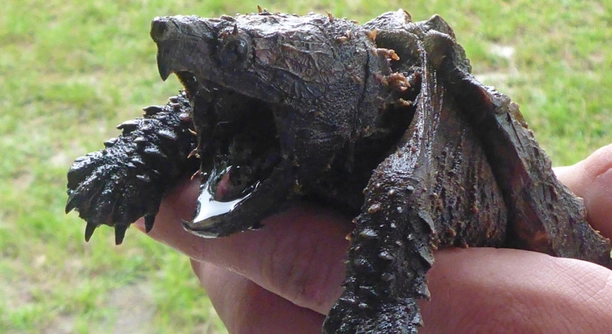
Alligator snapping turtles are fascinating creatures that can live for many years. However, their lifespan can be shortened by common mistakes made by their caretakers. Understanding what these mistakes are is crucial for ensuring their well-being.
Several factors can impact the lifespan of an alligator snapping turtle. Poor diet, improper habitat conditions, and lack of proper medical care can all contribute to a shorter life. These mistakes hinder their growth and overall health, reducing their lifespan significantly.
Addressing these issues can make a significant difference in your turtle’s health. By learning about the common mistakes and how to avoid them, you can create a better environment for your pet.
Mistake 1: Inadequate Diet
Alligator snapping turtles require a well-balanced diet to thrive. Feeding them the wrong food can lead to health issues like malnutrition, poor shell growth, and even early death. These turtles are carnivores and prefer a mix of proteins such as fish, insects, and even small mammals. However, offering them too much processed food or inappropriate vegetables can affect their immune system and digestion. A proper diet is essential for their long-term survival.
Providing a variety of foods ensures that they receive the necessary nutrients. Regularly offering fish, earthworms, and some small crustaceans will keep them healthy. A balanced meal plan supports growth and helps them maintain a strong shell.
It’s also important to avoid overfeeding. Overeating can lead to obesity, which causes joint problems and reduces their activity level. By sticking to a well-structured feeding schedule, your alligator snapping turtle can live a healthier life, avoiding the negative consequences of improper nutrition.
Mistake 2: Improper Tank Setup
The environment you provide for your turtle plays a vital role in its health. Poor tank conditions, like incorrect water temperature, insufficient space, or a lack of hiding spots, can stress your turtle and shorten its life. It’s essential to maintain a consistent water temperature between 75 and 85 degrees Fahrenheit to replicate its natural habitat. A good filter and regular water changes are crucial to keep the tank clean and free from harmful bacteria.
An oversized tank with areas for basking, swimming, and hiding helps your turtle feel secure. It also promotes natural behaviors like foraging and resting. Without these environmental enrichments, turtles can develop stress-related health problems that negatively impact their lifespan.
Setting up the right tank isn’t a one-time task; it’s an ongoing responsibility. Regular maintenance, like water quality checks and adjustments to tank temperature, will go a long way in ensuring that your alligator snapping turtle thrives. Avoiding this mistake is one of the easiest ways to support a long and healthy life for your turtle.
Mistake 3: Lack of Proper Lighting
Proper lighting is crucial for an alligator snapping turtle’s health. Without it, your turtle may experience issues such as metabolic bone disease. Turtles need both UVA and UVB lighting to help them absorb calcium and maintain a healthy shell. Without UVB light, they cannot metabolize vitamin D3 properly, leading to weakened bones.
In addition to UVB light, it’s important to have a day-night cycle that mimics natural sunlight. Keeping the tank well-lit during the day and turning off the lights at night supports the turtle’s natural behavior patterns and health. An aquarium light with a timer can make this process easier.
Failing to provide the right lighting can lead to long-term health problems. Without adequate exposure to UVB rays, turtles may suffer from soft shells or deformities. Proper lighting ensures they stay active, healthy, and strong throughout their lives.
Mistake 4: Neglecting Regular Health Checks
Regular health checks are an essential part of maintaining your alligator snapping turtle’s well-being. Even though they can seem hardy, these turtles are prone to infections, parasites, and other diseases. By neglecting regular health assessments, you may miss early signs of trouble that could shorten their lifespan.
A quick look at their shell, eyes, and skin will reveal important clues about their health. If the shell appears soft or cracked, it could indicate malnutrition or illness. Changes in behavior, such as lethargy or difficulty swimming, may also signal a health issue. Keeping track of these signs helps catch problems early.
Visit a reptile vet for a thorough check-up at least once a year, or sooner if you notice unusual signs. Timely treatment can prevent serious health conditions and extend your turtle’s life. By staying on top of health checks, you ensure your alligator snapping turtle stays in the best shape possible.
Mistake 5: Overcrowding the Tank
Overcrowding can cause stress and limit the space needed for an alligator snapping turtle to thrive. Too many turtles or other species in the same tank can result in aggression, territorial disputes, and even injuries. It also complicates water quality maintenance.
A larger tank with fewer occupants is ideal. This will help your turtle feel secure and prevent unnecessary stress. Be mindful of the tank’s size and the number of animals living in it to ensure everyone has enough space. A less crowded environment promotes better health and longer life for your turtle.
Mistake 6: Ignoring Temperature Fluctuations
Temperature fluctuations in the tank can stress your turtle and lead to health issues. A consistent water temperature is vital for their metabolism, digestion, and overall well-being. If the temperature drops too low or rises too high, it can cause lethargy, poor appetite, or even illness.
Maintaining a stable water temperature between 75°F and 85°F is essential. Use a thermometer to monitor the water, and consider a heater if needed. If temperature drops or spikes, your turtle may struggle to regulate its body functions, which can shorten its lifespan.
Mistake 7: Using Chemicals in the Tank
Using harsh chemicals to clean the tank or treat the water can harm your alligator snapping turtle. These chemicals can disrupt the delicate balance of their environment, leading to skin irritation or illness. It’s important to avoid using any product that isn’t safe for reptiles.
Instead, opt for natural cleaning methods, such as water changes and gentle scrubbing of the tank’s surfaces. Choose aquarium-safe treatments for any water issues. Harsh chemicals can damage your turtle’s skin, shell, and respiratory system, so it’s better to be cautious and natural when maintaining the tank.
FAQ
How often should I feed my alligator snapping turtle?
Feeding your alligator snapping turtle once every two to three days is generally ideal. They are carnivores and prefer a variety of proteins, including fish, insects, and small crustaceans. Overfeeding can lead to obesity, so it’s important to offer food in appropriate portions. Keep in mind that young turtles may need more frequent feedings compared to adults due to their higher metabolism.
What is the ideal tank size for an alligator snapping turtle?
The ideal tank size for an alligator snapping turtle depends on its size. For adult turtles, a tank size of at least 100 gallons is recommended. Larger tanks provide more room for swimming and help maintain water quality. If you have a juvenile turtle, you can start with a smaller tank, but upgrade as it grows. This helps to avoid overcrowding and provides a healthier environment.
Can I keep multiple alligator snapping turtles together?
It’s possible to keep more than one alligator snapping turtle in a tank, but it’s not always recommended. These turtles can be territorial and may fight, especially if they don’t have enough space. If you choose to keep multiple turtles, make sure the tank is large enough to provide each one with its own territory. Additionally, keep a close eye on their behavior to prevent injuries or stress.
What should I do if my turtle’s shell looks soft or damaged?
A soft or damaged shell can be a sign of poor diet, improper lighting, or health issues. If you notice this, first check their diet and ensure they are getting enough calcium. Ensure they have access to UVB lighting to help metabolize vitamin D3, which supports strong bones and shells. If the problem persists, consult a vet for further treatment.
How do I clean the tank of my alligator snapping turtle?
Cleaning the tank regularly is essential to maintain a healthy environment. Perform partial water changes weekly and clean the substrate, decorations, and filtration system every few weeks. Avoid using harsh chemicals, as they can harm your turtle. Instead, use water-safe cleaners and a gentle scrub to remove algae and debris. Regular cleaning prevents the buildup of harmful bacteria.
Do alligator snapping turtles need to bask?
Yes, alligator snapping turtles need a basking area where they can dry off and regulate their body temperature. A dry, flat surface under the light allows them to rest and absorb heat, which is important for digestion and overall health. Make sure the basking area is easily accessible and that the water temperature is within the appropriate range.
Can alligator snapping turtles be kept outdoors?
Alligator snapping turtles can be kept outdoors, but only in areas where the climate is suitable for them. If you live in a warm climate, you can create a pond or outdoor enclosure with proper shelter. Be sure the water temperature remains within the proper range and that predators, like birds or raccoons, cannot harm your turtle. If you live in a colder climate, it’s best to keep them indoors year-round to ensure their safety and comfort.
What kind of filter should I use for my turtle tank?
A good filtration system is crucial for maintaining clean water in your turtle’s tank. A canister filter or a high-quality submersible filter that provides both mechanical and biological filtration is ideal. The filter should be able to handle the size of the tank and the amount of waste your turtle produces. A good filtration system helps maintain water clarity and reduces the need for frequent water changes.
How can I tell if my alligator snapping turtle is stressed?
Signs of stress in an alligator snapping turtle can include lethargy, loss of appetite, hiding more than usual, or aggression. Stress can be caused by poor tank conditions, improper tank mates, or inconsistent care. If you notice these behaviors, take a close look at their environment and make necessary adjustments to ensure the water temperature, lighting, and tank size are appropriate.
Can I handle my alligator snapping turtle?
It’s best to handle alligator snapping turtles as little as possible. While they are not overly aggressive, they have powerful jaws that can cause injury if they feel threatened. If you must handle your turtle, be gentle and avoid forcing them out of the water. Always wash your hands before and after handling your turtle to prevent the spread of bacteria.
How long do alligator snapping turtles live?
Alligator snapping turtles can live for over 30 to 40 years in captivity, with some reaching even longer lifespans if they are properly cared for. Their lifespan is heavily influenced by factors such as diet, habitat conditions, and regular health care. Providing them with the right environment and consistent care will ensure they live a long and healthy life.
What is the best water temperature for an alligator snapping turtle?
The water temperature for an alligator snapping turtle should be between 75°F and 85°F. Maintaining a consistent temperature within this range is crucial for their metabolism and overall health. Use a water heater if necessary, but ensure it’s appropriate for the size of your tank. Regularly monitor the water temperature to prevent fluctuations that can stress your turtle.
What do alligator snapping turtles eat in the wild?
In the wild, alligator snapping turtles are opportunistic carnivores. They typically feed on fish, amphibians, small reptiles, and even the occasional bird. Their powerful jaws are designed for catching prey that comes close to their hiding spots. A varied diet of protein-rich foods in captivity is the best way to replicate their natural feeding habits.
Final Thoughts
Caring for an alligator snapping turtle requires attention to detail and dedication. These unique creatures thrive when provided with the right environment, diet, and care. A proper tank setup, including clean water, adequate space, and a balanced diet, plays a major role in their health and longevity. Regular water changes and consistent tank cleaning are essential to keep the environment free of harmful bacteria and ensure your turtle remains happy and healthy. By understanding their needs and making necessary adjustments, you can help your alligator snapping turtle live a long, fulfilling life.
It’s important to remember that every alligator snapping turtle is different. Some may be more active and social, while others prefer solitude. Observing your turtle closely will help you understand its specific needs. For example, some turtles might require more time basking under the UVB light, while others may prefer to stay in the water. The key is to create a stable environment with minimal stress. Avoid overcrowding the tank and monitor the water temperature to ensure it’s always within the ideal range. Small adjustments, like increasing basking time or providing a more varied diet, can make a big difference in your turtle’s well-being.
In the end, caring for an alligator snapping turtle is about consistency and understanding. While they may not be the easiest reptiles to care for, the reward of seeing them grow and thrive is worth the effort. By avoiding common mistakes, such as overfeeding or poor tank maintenance, you will increase the chances of your turtle living a healthy, long life. With the right care, your alligator snapping turtle can become a fascinating and rewarding pet that brings joy for many years to come.

Hello,
If you enjoy the content that we create, please consider saying a "Thank You!" by leaving a tip.
Every little bit helps us continue crafting quality advice that supports the health, happiness, and well-being of pets around the world, for pets of all shapes, sizes, and species.
We really appreciate the kindness and support that you show us!