
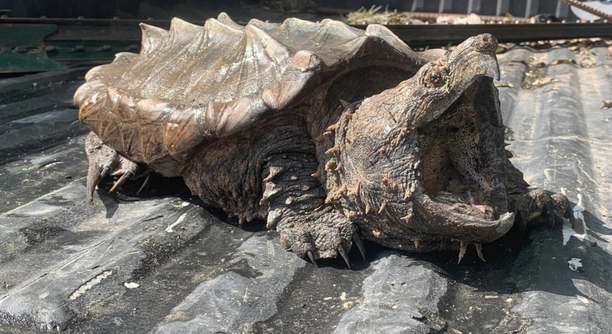
Alligator snapping turtles can be fascinating pets, but understanding their behavior is important. If you own one, recognizing when they are feeling threatened can help ensure their well-being and prevent stress.
Alligator snapping turtles show signs of feeling threatened through defensive behaviors such as opening their mouth wide, retreating into their shell, or becoming more aggressive. These reactions serve to protect the turtle from perceived danger.
Knowing how to identify these signs is key to maintaining a peaceful environment for your turtle. Keep reading to learn more about what these behaviors mean and how to respond effectively.
Recognizing the Early Signs of Threatened Behavior
Understanding the early signs of stress in your alligator snapping turtle is crucial. These turtles are not quick to show aggression, but their body language can give you clues that something is wrong. When feeling threatened, they may start by withdrawing into their shell, a natural defense mechanism. Additionally, you might notice their eyes becoming more alert or their movements becoming slower and more deliberate, signaling discomfort. It’s important to observe your turtle’s overall behavior when handling them or making changes to their environment. The earlier you identify these signs, the easier it will be to prevent escalation.
The environment plays a big part in a turtle’s stress levels. If their habitat is too small, too noisy, or overcrowded, these factors can lead to defensive behavior. Keeping the surroundings calm and spacious helps your turtle feel safe.
Adjusting their living space can make a big difference. If your turtle feels confined, increasing their tank size and adding natural hiding spots may reduce stress. Providing clean water and proper heating will ensure they feel secure and comfortable in their environment. The right habitat setup prevents a lot of unwanted behaviors from arising, so always consider their comfort first.
How Aggression Develops in Alligator Snapping Turtles
Aggression can develop in an alligator snapping turtle when it feels cornered or overly threatened. This behavior is typically a last resort when the turtle perceives no other option for escape. They may begin snapping or lunging, which is a clear signal they are defending themselves. The size and power of their jaws make this an effective means of warding off potential threats. If your turtle starts to display these signs, it is important to give it some space and avoid any actions that could further provoke it.
Sometimes, aggression is linked to hormonal changes, especially during mating seasons. Males, in particular, can become more territorial and may act aggressively toward other males or even their owners. Ensuring a calm, uninterrupted environment during these times can reduce unwanted behavior.
Why Stress Is Dangerous for Alligator Snapping Turtles
Stress in an alligator snapping turtle can lead to serious health issues, including weakened immune systems, decreased appetite, and increased vulnerability to diseases. When constantly under stress, these turtles may not thrive and may even become more susceptible to environmental changes.
Prolonged stress can cause your turtle to stop eating, which is a serious concern. Without proper nutrition, your turtle’s health can decline rapidly. Additionally, chronic stress weakens the immune system, making the turtle more prone to infections and other illnesses. Over time, it can lead to long-term health problems, making it difficult for the turtle to recover.
It’s crucial to maintain a stable and calm environment to prevent stress. Monitoring your turtle’s behavior closely and adjusting its habitat as needed can ensure it stays healthy and active. A healthy environment promotes natural behaviors and helps keep stress levels low, ultimately contributing to a longer, happier life for your turtle.
How to Calm a Threatened Turtle
If your alligator snapping turtle shows signs of being threatened, it’s essential to remain calm. The first step is to give it some space. Trying to handle the turtle when it feels threatened will only escalate its stress.
A calm environment will help ease your turtle’s tension. Reducing loud noises, keeping other pets or animals away, and dimming the lights can all contribute to a more relaxed atmosphere. Ensuring the turtle feels safe in its habitat will allow it to calm down more quickly and prevent further aggression. Avoid sudden movements that may startle it.
Making sure your turtle has access to a private, secure area within its habitat can also help reduce stress. Providing hiding spots like rocks, plants, or even a cave allows your turtle to retreat and feel safe. This way, the turtle can regain confidence and reduce the chance of aggressive or defensive behaviors in the future.
The Role of Diet in a Turtle’s Stress Levels
A poor diet can contribute to a turtle’s stress. If your alligator snapping turtle isn’t getting the right nutrition, it may feel more vulnerable and anxious. Proper diet ensures your turtle remains healthy and strong.
Alligator snapping turtles require a varied diet, including live prey like fish, insects, and crustaceans. Without the necessary nutrients, they may become weak, stressed, and less able to cope with changes in their environment. Overfeeding or underfeeding can also lead to stress, so it’s important to find a balance. Be mindful of how much and how often you feed your turtle to maintain its health.
The Importance of Environmental Enrichment
Providing environmental enrichment is key to reducing stress in alligator snapping turtles. This can include adding objects to their habitat like logs, rocks, or water plants. These additions mimic natural surroundings and provide mental stimulation.
Turtles need a variety of things to explore in their enclosure. A lack of enrichment can make them feel bored or frustrated, increasing stress levels. Adding hiding spots or a more complex water setup encourages natural behaviors and helps reduce aggression. Creating a dynamic and enriching environment will keep your turtle content and less likely to react defensively to stressors.
Regular Health Checkups for Your Turtle
Regular health checkups are important for identifying any underlying issues that could be contributing to stress. If you notice changes in your turtle’s behavior, such as reduced activity or eating, a visit to the vet is essential.
Health checkups help catch any potential issues early before they become serious. Regular vet visits can monitor your turtle’s overall health, preventing infections or diseases from causing stress. A vet can also advise on the best habitat setup and diet for your turtle. Keeping up with these checkups ensures your turtle stays healthy and stress-free.
FAQ
What are the signs that my alligator snapping turtle is feeling threatened?
Alligator snapping turtles typically show signs of threat through defensive body language. If your turtle starts to open its mouth wide, shows increased alertness with rapid head movements, or retreats into its shell, it is likely feeling threatened. In more extreme cases, your turtle might snap or lunge. Recognizing these behaviors early can help you reduce its stress and avoid further aggression.
How can I prevent my turtle from feeling threatened?
To prevent your turtle from feeling threatened, create a calm and stable environment. Make sure its habitat is spacious, clean, and well-maintained. Avoid loud noises and sudden movements, and provide hiding spots where your turtle can retreat if it feels unsafe. Keep other pets or animals away from the enclosure to prevent unnecessary stress. Consistent and gentle handling will help your turtle feel more secure over time.
Can I handle my alligator snapping turtle if it is feeling threatened?
It’s best to avoid handling your alligator snapping turtle when it shows signs of being threatened. Handling it when it’s already stressed can increase aggression or cause harm. If you need to move it, do so gently and carefully, ensuring that the turtle feels secure. Try to limit handling to when it is calm and relaxed.
Why is my alligator snapping turtle not eating?
If your turtle isn’t eating, it may be a sign of stress, illness, or an improper diet. Stress from environmental changes, handling, or a lack of enrichment can reduce its appetite. Additionally, ensure that its diet includes the proper nutrients, like fish, insects, and crustaceans. If your turtle continues to refuse food, consider visiting a vet to rule out any medical issues.
How do I keep my alligator snapping turtle calm?
Keeping your turtle calm involves minimizing stress factors in its environment. Make sure its tank is appropriately sized and has plenty of hiding spots, like rocks or plants. Maintain a stable water temperature and provide clean water for your turtle to swim in. Avoid loud noises or sudden movements, as these can startle your turtle and increase its stress levels.
Can my alligator snapping turtle live with other turtles?
While alligator snapping turtles can coexist with other turtles, it’s important to carefully consider their behavior. These turtles can be territorial, especially males during mating season. If you house them with other turtles, ensure that the tank is large enough to give each turtle its own space. Watch for signs of aggression, such as snapping or chasing, and be prepared to separate them if necessary.
What type of habitat is best for my alligator snapping turtle?
The ideal habitat for an alligator snapping turtle includes a large tank with both land and water areas. The water should be clean, filtered, and deep enough for swimming. The temperature of the water should be maintained at around 75-80°F, and the tank should have plenty of hiding spots to reduce stress. Adding natural elements like logs and rocks will help mimic its natural habitat and provide mental stimulation.
How often should I clean my turtle’s tank?
It’s important to clean your alligator snapping turtle’s tank regularly to maintain water quality and reduce stress. Aim for a partial water change every week and a full cleaning every month. Regular cleaning prevents the buildup of harmful bacteria that could affect your turtle’s health. A good filtration system will also help keep the water clean, but manual cleaning is still necessary.
What should I do if my turtle is acting aggressively?
If your turtle becomes aggressive, give it space and avoid further provocation. Aggression is often a defense mechanism, so make sure the turtle feels secure in its environment. If the aggression persists, check for any signs of stress in the habitat, such as overcrowding, poor water conditions, or lack of hiding spots. In some cases, aggression may be related to mating behaviors, especially in males. If necessary, separate the turtle from any perceived threats.
How do I know if my turtle is sick?
Signs that your alligator snapping turtle might be sick include lethargy, lack of appetite, abnormal shell appearance, or unusual swimming behavior. If your turtle has swollen eyes, discolored skin, or difficulty moving, these are also signs that it may be unwell. A visit to the vet can help determine if your turtle has an underlying medical condition and how to treat it.
Can my turtle get stressed from me cleaning its tank?
Yes, cleaning the tank can cause stress, especially if it disrupts your turtle’s habitat. To minimize stress, try to clean the tank when the turtle is not in the enclosure, and make sure to avoid any sudden movements. After cleaning, allow the turtle time to acclimate to the new setup before handling it. A consistent cleaning schedule will help your turtle adjust to the process.
Why does my turtle snap at me?
Alligator snapping turtles may snap when they feel threatened, scared, or defensive. If your turtle is snapping at you, it might feel cornered or unsettled. Ensure that the turtle has enough space in its environment and avoid handling it too frequently. Try to limit interactions to times when the turtle is calm and comfortable.
How do I provide enrichment for my alligator snapping turtle?
To provide enrichment, create a habitat that mimics the turtle’s natural environment. Add submerged logs, rocks, and plants for your turtle to explore. You can also place live prey in the tank to encourage hunting behavior. Regularly change the arrangement of the tank to give your turtle new things to explore. Ensuring your turtle has both mental and physical stimulation will help prevent boredom and reduce stress.
Final Thoughts
Understanding the behavior of an alligator snapping turtle is crucial for providing the best care possible. When they feel threatened, their defensive actions are natural and should be addressed with care. Whether it’s their tendency to retreat into their shell or snap at perceived dangers, recognizing the signs early helps to prevent unnecessary stress. Stress can lead to serious health problems, so ensuring your turtle feels safe in its environment is essential. Proper handling, the right diet, and a suitable habitat will contribute to a more comfortable and secure life for your turtle.
Creating a stress-free environment begins with consistency. Alligator snapping turtles need stable water temperatures, a clean habitat, and an adequate food supply to thrive. Sudden changes in their surroundings or neglecting their physical needs can lead to aggressive behavior or loss of appetite. Setting up the habitat correctly, providing enough hiding spaces, and offering environmental enrichment can make a huge difference in how your turtle responds to its environment. When your turtle feels secure, it is less likely to show signs of aggression or stress.
Ultimately, a healthy and calm alligator snapping turtle is the result of attention to its needs. Regular vet visits, maintaining proper habitat conditions, and understanding its behavior patterns all work together to ensure your turtle is happy and healthy. By paying attention to the small signs and acting quickly when you notice stress, you can ensure that your turtle has a long, peaceful life. Remember that your turtle’s behavior is often a reflection of its environment, so creating the right conditions is key to keeping it content.

Hello,
If you enjoy the content that we create, please consider saying a "Thank You!" by leaving a tip.
Every little bit helps us continue crafting quality advice that supports the health, happiness, and well-being of pets around the world, for pets of all shapes, sizes, and species.
We really appreciate the kindness and support that you show us!