
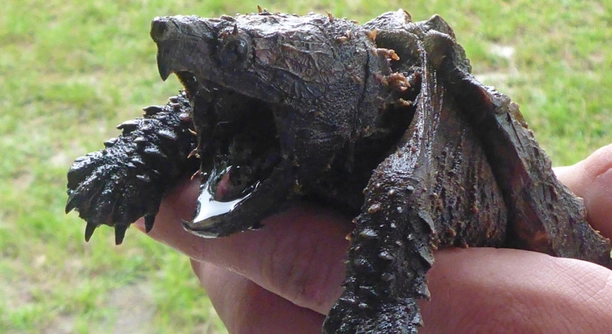
Alligator snapping turtles are fascinating creatures, and understanding their behavior is crucial for their care. As winter approaches, they may start preparing for hibernation. Recognizing the signs of hibernation readiness ensures your turtle’s well-being during this natural process.
The primary signs that your alligator snapping turtle is ready to hibernate include reduced activity, decreased appetite, and seeking cooler, darker areas in their habitat. These behaviors indicate that the turtle is preparing for a period of dormancy.
Monitoring these changes will help ensure your turtle’s health and comfort. Proper care during hibernation is essential for their long-term well-being.
Reduced Activity and Slow Movements
As your alligator snapping turtle prepares for hibernation, one of the most noticeable changes is reduced activity. These turtles are known for their slow, deliberate movements, but as they enter hibernation mode, this slows even further. You may notice your turtle resting more than usual or moving less. Their energy is reserved for the coming months of dormancy, and they are conserving their strength. The decrease in activity is a natural sign that they are entering a resting phase, and it’s essential to allow them to do so without disturbance.
It’s important not to confuse this change with illness. A turtle preparing to hibernate will still appear healthy, just less energetic.
While the slowdown in activity may concern some owners, it’s simply part of the turtle’s biological rhythm. They need this period of rest to survive the colder months, and it is perfectly normal for them to spend more time in their hiding spots.
Appetite Decrease
Alligator snapping turtles will also stop eating as they prepare to hibernate. This reduction in appetite is a clear sign that they are ready to enter a dormant phase. They don’t require food during this time and may go weeks without eating.
During hibernation, their metabolic rate significantly decreases, and their body uses stored energy. This is why the lack of appetite is not a cause for concern but rather a natural process. Keep an eye on your turtle to make sure there are no other health issues contributing to their disinterest in food.
Seeking Cooler, Darker Spaces
Another key indicator that your alligator snapping turtle is preparing for hibernation is their behavior of seeking out cooler, darker spots in their environment. They will often bury themselves in substrate or move toward areas where the temperature is lower. These turtles instinctively seek out these spots to regulate their body temperature and create the ideal environment for hibernation.
This behavior typically happens when the weather starts to cool, or when the temperature in their habitat drops. If you have an outdoor pond or a large tank, you may notice your turtle moving to the darkest or most secluded spots, often under rocks or in a corner of the tank. Ensuring that your turtle has a proper hiding space is crucial for their health.
If you notice your turtle moving to these cooler spots, it’s a sign that it’s time to adjust the habitat to support their natural behavior. Adding more hiding spots or reducing the temperature slightly can help encourage your turtle to rest. Avoid disturbing them during this period to allow for a smooth transition into hibernation.
Lowered Body Temperature
As the weather cools down, your alligator snapping turtle’s body temperature will drop. This is a natural response as they prepare for hibernation. Turtles are cold-blooded, so they rely on external temperatures to regulate their body heat. When they sense the drop in temperature, they instinctively begin to slow down and conserve energy.
If you notice your turtle’s body temperature lowering, it’s a sign that they are adjusting to their hibernation cycle. It’s important to monitor the temperature in their habitat to make sure it’s suitable for their needs. Too much fluctuation can cause stress.
Keep their environment cooler, but not too cold. Providing a consistent, stable temperature range is essential for your turtle’s health. A sudden, drastic drop could harm them. Adjust your tank or outdoor pond to ensure a gradual, controlled temperature change that suits their natural hibernation process.
Decreased Interaction and Shyness
As your alligator snapping turtle prepares to hibernate, it may become more reclusive. You may notice that they are less interested in interacting or responding to their surroundings. This behavior is perfectly normal, as they start focusing on conserving energy for the winter months.
The turtle’s instincts guide them to retreat from their usual activities and spend more time hiding. If they seem less responsive or remain in a hiding spot for longer periods, it’s simply a sign that they are preparing to enter dormancy. During this time, it’s best to minimize handling to avoid causing unnecessary stress.
Give your turtle space and let them rest undisturbed. It’s essential to respect their natural instincts during this time. If they are kept in a tank, ensure they have enough hiding spots to feel secure. Avoid disturbing them while they are in a more reserved state.
Inactivity and Lack of Basking
Turtles are known for their basking habits, but as they prepare for hibernation, you may notice they no longer bask under a heat source. This decrease in basking time is another sign that they are getting ready to hibernate. They are less interested in warming themselves up and will instead focus on slowing down.
If your turtle stops basking completely, it’s important to avoid trying to force them to bask. The cessation of basking is part of their natural process of slowing down for the winter. Keep their basking area available, but be patient and allow them to choose whether to use it.
Forcing them to remain active or warm could disrupt their natural hibernation cycle. Let them decide when and how to interact with their environment. This will help maintain a stable transition into hibernation.
Decreased Breathing Rate
As your alligator snapping turtle prepares for hibernation, its breathing rate will slow down. This decrease in respiratory activity is a sign that your turtle’s body is adjusting to conserve energy. The turtle doesn’t need as much oxygen when its metabolism decreases during the dormant period.
If you observe this, it’s a clear indication that the turtle is transitioning into a more restful state. The lowered breathing rate doesn’t mean there is a health issue but is part of the normal hibernation process. Allow your turtle the time it needs to adjust.
Loss of Interest in Socializing
Your alligator snapping turtle will likely lose interest in interactions with you or other pets. Turtles are solitary creatures, and when preparing for hibernation, they naturally become more withdrawn. They no longer seek out stimulation and may ignore any social or environmental triggers that once caught their attention.
This behavioral shift is part of the process of preparing for hibernation. It’s best to avoid handling them too much at this time. Provide a peaceful, quiet space for your turtle to rest. A calm environment will support the natural cycle of dormancy.
Energy Conservation and Slow Metabolism
During the hibernation period, alligator snapping turtles undergo a significant decrease in metabolic activity. This means their energy consumption is drastically reduced, and they rely on fat reserves built up over the warmer months. Their body slows down in response to cooler temperatures, and their activity levels decrease significantly.
This is a critical period for your turtle, and the slow metabolism helps conserve energy. It’s important to monitor their environment closely. Make sure the temperature stays consistent and that they are not disturbed. Creating a comfortable space is key to helping them through this dormant phase without stress.
FAQ
How long does it take for an alligator snapping turtle to prepare for hibernation?
The process of preparing for hibernation usually takes several weeks. As temperatures drop, your turtle will begin to slow down its activity, reduce its appetite, and seek out cooler, darker spots. It is important to give them the space and time they need to naturally enter their dormant state. Some turtles may begin showing signs of hibernation readiness as early as a month before they fully settle into their resting period. During this time, they should not be disturbed, as they are conserving energy and preparing for the winter months.
Can I stop my turtle from hibernating?
It is not advisable to prevent your alligator snapping turtle from hibernating. Hibernation is a natural process that allows them to rest and conserve energy. Forcing them to remain active can lead to stress, health problems, and disrupted metabolism. If your turtle is showing signs of hibernation, it is best to let nature take its course. However, if the temperature in your area remains warm, you may need to create a controlled environment for your turtle to safely rest.
How can I make sure my turtle hibernates safely?
To ensure your alligator snapping turtle hibernates safely, provide them with a suitable environment. The temperature in their habitat should gradually drop, mimicking the natural cooling process. It is important not to make sudden temperature changes, as this can cause stress. Also, ensure that they have a comfortable hiding place where they can bury themselves, such as under substrate or in a cool, dark corner. The water should be kept clean, but the temperature should not drop too low. A safe and gradual decrease in temperature will help them hibernate properly without health risks.
Should I stop feeding my turtle during hibernation?
Yes, you should stop feeding your alligator snapping turtle as it enters hibernation. During hibernation, their metabolism slows down, and they do not require food. Trying to feed them can disrupt this process. If they refuse food, it’s a clear sign that they are entering dormancy. You can stop feeding them a few weeks before they enter hibernation and resume feeding once they wake up in the spring. Always ensure they have enough stored fat for the hibernation period.
How do I know if my turtle is not hibernating properly?
If your alligator snapping turtle is having trouble hibernating, you may notice signs such as lethargy, unresponsiveness, or strange behavior like floating or difficulty breathing. If they seem to be struggling to settle into dormancy or if their health seems to decline, it could be an indication of an issue. Consult a veterinarian with experience in reptiles if you notice any of these symptoms. Additionally, make sure their habitat conditions are optimal for hibernation. Temperature fluctuations, poor water quality, or overcrowding can affect the process.
Can I handle my turtle during hibernation?
It is best to avoid handling your alligator snapping turtle during hibernation. They are in a resting state, and unnecessary handling can cause stress. While it’s tempting to check on them, it’s important to let them remain undisturbed. Handling can disrupt their natural cycle and may cause them to wake prematurely, which can be harmful. Simply monitor their habitat to ensure that the environment remains consistent, and only handle them when they are fully awake and active.
Do I need to provide extra heat during hibernation?
No, extra heat is not necessary during hibernation. In fact, providing heat can interfere with the hibernation process. Alligator snapping turtles are cold-blooded, and they rely on cooler temperatures to initiate and maintain their dormancy. It is essential to allow the temperature to drop naturally, but make sure it doesn’t become too cold. A steady, cooler temperature, around 50-60°F (10-15°C), is ideal for hibernation. If you live in a warmer climate and you notice your turtle isn’t showing signs of hibernation, consider using a cooler tank setup.
Is it safe to let my turtle hibernate outdoors?
Hibernating outdoors can be safe for your alligator snapping turtle, as long as the weather conditions are suitable. If you have a pond or outdoor enclosure, make sure it’s deep enough to provide a stable, cool temperature for your turtle. Ensure there are places for them to hide, such as submerged rocks or logs. Be mindful of predators and other environmental factors that could harm your turtle during this vulnerable time. Outdoor hibernation should be carefully managed to avoid stress or injury. Always check the local climate to ensure the temperature won’t dip too low.
What should I do if my turtle doesn’t hibernate?
If your turtle doesn’t seem to want to hibernate, first check the temperature in its habitat. If it’s still too warm, your turtle may not feel the need to enter dormancy. Adjust the temperature accordingly by offering cooler areas or decreasing the warmth in their habitat. If your turtle is still active despite the temperature changes, you might need to consult with a reptile veterinarian. In some cases, external factors such as lighting, food, or stress could prevent hibernation, and addressing these issues may help.
How long will my turtle stay in hibernation?
The length of hibernation for an alligator snapping turtle varies depending on factors such as temperature and environmental conditions. Typically, they will remain dormant for several months, usually between three to five months. However, the duration can be influenced by external temperatures and the specific conditions of the turtle’s habitat. In warmer climates, hibernation may be shorter, while in colder regions, turtles might rest longer. Monitor your turtle’s health carefully during this period to ensure they are resting safely and waking up at the appropriate time.
Can I wake my turtle from hibernation early?
Waking your alligator snapping turtle from hibernation prematurely is not recommended. Doing so can disrupt their metabolic process and cause unnecessary stress. If you need to wake them early due to environmental changes or health concerns, it’s crucial to gradually increase the temperature in their habitat. A sudden change can shock their system, so make sure to carefully monitor the process. If your turtle is healthy and the habitat is stable, it’s best to let them wake up naturally when the time is right.
Hibernation is a natural and essential process for alligator snapping turtles, allowing them to rest and conserve energy during the colder months. Understanding the signs that indicate your turtle is ready to hibernate is crucial in ensuring their well-being. By closely monitoring their behavior, temperature, and activity levels, you can provide an environment that supports their dormancy. It’s important to respect their need for rest and not disturb them during this time.
Proper habitat conditions are vital for a successful hibernation period. Gradually lowering the temperature and ensuring they have a safe, quiet space to retreat to are key factors in helping your turtle hibernate peacefully. While it might be tempting to interfere, letting them go through this natural cycle without disturbances ensures they are in their best health when they awaken. Providing a stable environment, free from drastic changes, will help them feel secure during their time in dormancy.
Ultimately, hibernation is a necessary part of an alligator snapping turtle’s life cycle. By being attentive to their needs and ensuring they are in an environment that mimics natural conditions, you help them navigate this period safely. Keep monitoring their health, adjust their habitat when necessary, and give them the space they need. When the right time comes, they will emerge from hibernation ready to resume their activity. Your understanding and care make a significant difference in their well-being throughout this process.

Hello,
If you enjoy the content that we create, please consider saying a "Thank You!" by leaving a tip.
Every little bit helps us continue crafting quality advice that supports the health, happiness, and well-being of pets around the world, for pets of all shapes, sizes, and species.
We really appreciate the kindness and support that you show us!