
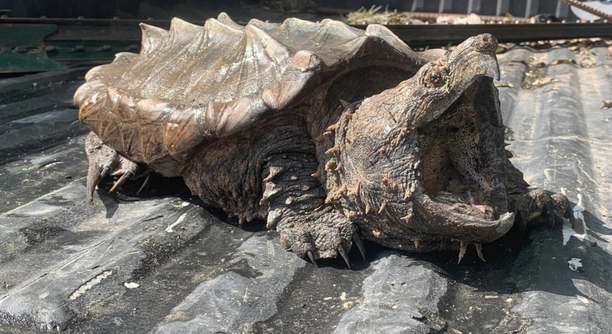
Is your alligator snapping turtle always restless? It can be a little tricky figuring out what’s causing this behavior. Understanding your turtle’s needs can help you figure out how to make it feel more comfortable.
Restlessness in alligator snapping turtles is often linked to stress, discomfort, or an unsuitable environment. Common causes include improper water conditions, temperature fluctuations, insufficient space, or dietary issues. Identifying and addressing these factors can ease their restlessness.
By paying attention to your turtle’s behavior and environment, you can find the right solutions. Keeping an eye on these factors will help ensure your turtle’s well-being and comfort.
Unstable Water Temperature
Water temperature plays a significant role in your alligator snapping turtle’s comfort. These turtles thrive in waters that are kept within a specific temperature range. If the water is too cold or too warm, it can stress them out, causing restless behavior. The ideal temperature is typically between 72°F to 78°F (22°C to 26°C). When the temperature fluctuates too much, it can disrupt their natural rhythms, making them anxious.
To prevent restlessness, use a reliable aquarium heater to maintain consistent water temperatures. Invest in a thermometer to monitor the conditions closely. Keeping the water stable will help your turtle feel more at ease, reducing signs of stress.
If the temperature changes frequently, your turtle might struggle to adjust, leading to constant movement. This can disrupt their feeding patterns, immune system, and overall health. By stabilizing the water temperature, you’re not only improving their comfort but also promoting their long-term well-being. Keeping it consistent ensures your turtle remains calm and active.
Improper Tank Size
Alligator snapping turtles are large creatures that need plenty of space to thrive. If your turtle’s tank is too small, it can feel confined and anxious. When a turtle doesn’t have enough room to move around freely, it may start swimming erratically or pacing, signs of stress.
Make sure to choose a tank that allows your turtle to swim without restrictions. The minimum recommended tank size is about 75 gallons for one adult turtle. This gives them enough space to roam, exercise, and feel secure.
An undersized tank can lead to restless behavior and poor health over time. Turtles need both land and water areas to feel comfortable. A larger tank also allows for the proper filtration system, keeping the water clean and healthy for your turtle. It’s crucial to set up a tank that meets their space and environmental needs.
Poor Water Quality
Dirty water can cause a lot of stress for your alligator snapping turtle. Turtles are very sensitive to the cleanliness of their habitat. If the water isn’t filtered properly, it can become polluted with waste, bacteria, and excess food. This can make them restless.
Regular water changes and good filtration are key to maintaining a healthy tank. Make sure to change the water every couple of weeks and clean the tank regularly. It’s important to use a filter that’s rated for the size of your tank to keep the water clean.
When the water quality is poor, your turtle may feel uncomfortable, leading to constant movement or hiding. Poor water can also affect their skin and shell, making them more vulnerable to infections. Keeping the water clean not only reduces restlessness but also promotes better health. A well-maintained environment is crucial for their well-being.
Inadequate Diet
If your alligator snapping turtle isn’t getting the right diet, it can lead to restless behavior. Turtles require a balanced diet to stay healthy and active. A lack of nutrients or an improper diet can cause them to become sluggish or overly active.
Feed your turtle a mix of protein (like fish or insects) and leafy greens. Avoid feeding them too much commercial turtle food as it may lack necessary nutrients. Make sure they have access to the right type of food to ensure proper growth and activity levels.
A poor diet can lead to health problems, such as vitamin deficiencies, which can affect their behavior. Restlessness can be a sign that they’re not getting what they need to feel comfortable. Be sure to monitor their eating habits and adjust their diet as needed to keep them balanced and satisfied.
Lack of Hiding Spots
Alligator snapping turtles are shy and enjoy having places to hide when they feel threatened. Without hiding spots in their tank, they may become stressed and act restless. Providing hiding places makes them feel safe.
To create a comfortable space, add decorations, such as caves or submerged logs. These hiding spots help your turtle feel more secure and less exposed. It’s important to ensure that the spaces are large enough for your turtle to fit comfortably.
Providing adequate hiding spots reduces anxiety, allowing your turtle to retreat when needed. This will prevent them from constantly swimming or moving around the tank in search of shelter.
Unstable Light Cycle
Turtles need a consistent day and night cycle to stay healthy. An unstable light cycle can disrupt their natural behavior, leading to restlessness. Make sure to provide a steady light source that mimics natural daylight.
Install a reliable UVB light to support their health and regulate their internal clock. Having this light on for 12 hours a day and off for 12 hours will ensure they maintain a healthy cycle.
Proper lighting helps your turtle stay active during the day and rest at night. This balance improves their overall well-being, reducing unnecessary movement caused by confusion or stress.
Excessive Handling
Alligator snapping turtles can become stressed if they are handled too much. Constantly picking them up or disturbing them can make them anxious, causing restless behavior.
Try to avoid frequent handling unless necessary for tank cleaning or health checks. Turtles prefer to be left alone in their environment. Handling too much can cause them to feel unsafe and disoriented, leading to excessive movement or hiding.
FAQ
What temperature is best for my alligator snapping turtle?
The ideal water temperature for an alligator snapping turtle is between 72°F to 78°F (22°C to 26°C). Keeping the water within this range helps regulate their metabolism and ensures they remain active and healthy. Too cold or too warm water can cause stress and restlessness. Use a reliable aquarium heater to maintain a stable temperature.
How often should I clean my turtle’s tank?
To keep the water clean and safe, it’s important to clean the tank regularly. Water changes should be done every two weeks, or more often if needed. A good filtration system can help reduce the frequency of water changes, but it’s still necessary to clean the tank to remove waste and debris.
Can I feed my alligator snapping turtle only pellets?
Pellets should not be the only food in your turtle’s diet. While they can provide some nutrients, they do not offer everything your turtle needs to stay healthy. A balanced diet that includes live or frozen protein sources like fish, shrimp, and insects, as well as leafy greens, is important for proper nutrition.
Is it normal for my turtle to be active at night?
Yes, alligator snapping turtles are mostly nocturnal, meaning they are more active during the night. It’s natural for them to roam around the tank when the lights are off. However, providing a consistent light and dark cycle will help regulate their sleep patterns and prevent excessive restlessness.
How can I tell if my turtle is stressed?
Signs of stress in an alligator snapping turtle include constant swimming or pacing, loss of appetite, or hiding more than usual. If your turtle is stressed, check its tank environment for issues like poor water quality, improper temperature, or lack of hiding spots. Stress can also result from excessive handling or a poor diet.
Can alligator snapping turtles live with other pets?
Alligator snapping turtles can be aggressive and territorial, especially with other turtles or fish. It’s better to keep them in their own tank to avoid stress or injury to other pets. If you do decide to house them with other animals, make sure to monitor interactions closely.
Do alligator snapping turtles need UVB light?
Yes, UVB light is essential for an alligator snapping turtle’s health. It helps them produce Vitamin D3, which is necessary for absorbing calcium and maintaining healthy bones and shells. Be sure to provide a UVB light source in your turtle’s tank to promote overall well-being.
How can I make my turtle feel more secure in its tank?
Adding hiding spots is a great way to help your turtle feel more secure. Use caves, logs, or plants to create areas where your turtle can retreat when feeling stressed. These hiding spots give your turtle a sense of safety and reduce restlessness.
Why is my turtle constantly swimming in circles?
Constantly swimming in circles could indicate stress, boredom, or an unsuitable tank environment. Check the water quality, temperature, and tank size. If the environment is not right, your turtle may act out by swimming aimlessly. Providing enrichment, like decorations or a larger tank, may help reduce this behavior.
How do I know if my turtle is sick?
Signs of illness in your turtle include changes in behavior, such as loss of appetite or lethargy, as well as physical symptoms like swelling, discolored or soft shells, and cloudy eyes. If you notice any of these symptoms, it’s best to take your turtle to a reptile vet for a check-up.
Can I feed my turtle vegetables?
Yes, alligator snapping turtles can eat certain vegetables, but they should be supplemented with protein. Leafy greens like kale, dandelion greens, and collard greens are great options. Avoid feeding them high-oxalate vegetables like spinach too often, as they can interfere with calcium absorption.
How much space does an alligator snapping turtle need?
An alligator snapping turtle needs a large tank to feel comfortable. The minimum tank size for an adult turtle is around 75 gallons. Turtles need both swimming space and land areas to bask and rest. A larger tank helps maintain water quality and gives your turtle the room it needs to thrive.
How can I prevent my turtle from being restless?
Ensure your turtle’s tank is large enough, and maintain proper water temperature and quality. Provide hiding spots, a balanced diet, and avoid excessive handling. If the environment is set up correctly, your turtle should feel secure and less likely to be restless.
Can alligator snapping turtles be trained?
Alligator snapping turtles are not known for being trainable like some other pets. However, they can associate certain actions with feeding times. For example, they may learn to come to the surface when you approach the tank during feeding time. But they won’t perform tricks or complex behaviors.
Why is my turtle hiding all the time?
Hiding can be a sign that your turtle feels stressed or insecure. Check the tank environment for possible issues, such as poor water quality or lack of hiding spots. However, turtles also hide to rest and sleep, especially in the early morning or late evening hours.
Can I put my alligator snapping turtle outside?
If the climate is suitable, you can keep your alligator snapping turtle outside in a secure, enclosed area. Be sure the temperature stays within the ideal range and that the area is safe from predators. An outdoor pond should have a basking area, but be cautious of temperature fluctuations.
How long can an alligator snapping turtle live?
Alligator snapping turtles can live up to 50 years or more in captivity with proper care. Providing a stable environment, proper diet, and regular health checks will help ensure they live a long and healthy life.
Final Thoughts
Alligator snapping turtles are fascinating creatures, but they can be quite sensitive to their environment. If your turtle is always restless, it’s important to consider factors like water temperature, tank size, and diet. These turtles need a stable and healthy habitat to feel comfortable and thrive. When they’re not at ease, their natural behavior can shift, and you might see signs of stress, like excessive swimming or hiding. Understanding these needs is essential to creating a space where they can live peacefully.
By making simple adjustments to their tank setup, you can help your turtle feel more secure and reduce restlessness. For example, ensuring the water temperature is just right, providing enough space to swim, and including hiding spots can all make a big difference. A varied and balanced diet will also support their health, reducing the chance of behavioral issues. Paying attention to these details will not only improve their comfort but also their long-term well-being. Your turtle’s health and happiness rely on a suitable environment, so regular care and observation are key.
Lastly, always remember that alligator snapping turtles are unique and may require some trial and error to figure out exactly what they need. Keep an eye on their behavior and make adjustments when necessary. By providing them with the right conditions, you’ll see them become calmer and more content in their environment. A little attention goes a long way in ensuring that your turtle lives a long, happy, and healthy life.

Hello,
If you enjoy the content that we create, please consider saying a "Thank You!" by leaving a tip.
Every little bit helps us continue crafting quality advice that supports the health, happiness, and well-being of pets around the world, for pets of all shapes, sizes, and species.
We really appreciate the kindness and support that you show us!