
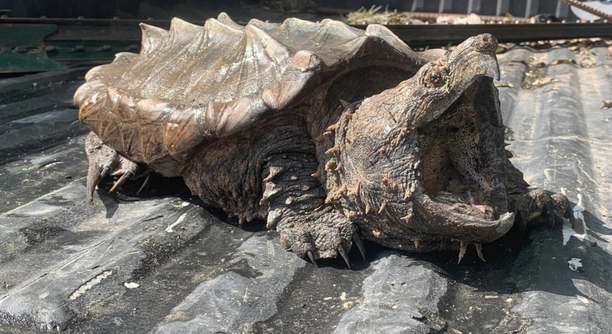
Alligator snapping turtles are fascinating creatures, but sometimes their behavior can seem puzzling, especially when they spend a lot of time in the corner of their tank. This behavior may be more common than you think.
The most common reason your alligator snapping turtle spends time in the corner of its tank is due to stress or discomfort. Factors like water temperature, inadequate hiding spots, or overcrowding can cause this behavior.
Understanding the causes of this behavior will help improve your turtle’s environment. Identifying the problem can lead to better care for your pet.
Common Causes of Corner Behavior in Alligator Snapping Turtles
Alligator snapping turtles are known for their calm nature, but when they spend a lot of time in the corner of their tank, it could be a sign of something wrong. There are several reasons why your turtle may choose this location, and it often stems from stress or discomfort. These turtles are naturally shy, so when they feel unsafe or overwhelmed, they retreat to corners to hide. It’s possible they are trying to find a safe spot to rest, especially if they don’t have enough hiding places in the tank. Water quality and temperature can also play a significant role. If the water is too cold or dirty, your turtle might seek a corner to stay away from the uncomfortable conditions. It’s important to observe your turtle closely and see if there are other signs of stress.
Tank conditions are a major factor in how your turtle behaves. If there isn’t a lot of space or proper hiding places, your turtle may feel cornered, literally.
You should also consider how much activity is around the tank. Alligator snapping turtles are solitary creatures, and too much movement or noise around them can cause anxiety. Try to minimize disturbances in their environment, as a calm space is essential for their well-being. Additionally, alligator snapping turtles need ample room to swim and move around. A cramped tank can make them feel confined, which may lead them to seek out corners. Make sure the tank size is appropriate for the turtle’s size and that it provides plenty of open space. The water temperature should also be monitored carefully, with a temperature range of 72°F to 78°F. Anything outside this range can cause stress. Regular water changes are crucial too, as poor water quality will definitely affect your turtle’s mood and behavior.
How Tank Setup Affects Behavior
Tank setup plays a large role in the behavior of your alligator snapping turtle. Without enough space or hiding spots, they may feel vulnerable and retreat into the corners.
Making sure your turtle’s tank is spacious and properly decorated can help alleviate this behavior. The more natural hiding spots you add, the better.
Stress and Anxiety in Alligator Snapping Turtles
Alligator snapping turtles can easily become stressed or anxious in environments that are too noisy, crowded, or chaotic. Excessive activity around the tank can trigger this. These turtles tend to hide when they feel threatened or uncomfortable.
Constant exposure to loud noises or sudden movements can disrupt their calm demeanor. If there are frequent disturbances, like people walking by quickly or pets jumping near the tank, your turtle may retreat to a corner to escape the stress. Try to minimize these distractions to give your turtle peace of mind. Creating a quieter environment will help them feel safer.
Another reason for anxiety could be the presence of other tank mates. Alligator snapping turtles are solitary animals, and sharing their space with aggressive or overly active animals can cause them to seek refuge. They prefer to have their own space without competition for resources. If your turtle seems stressed, consider moving any other creatures out of the tank and see if that improves their behavior.
Poor Water Quality or Temperature
Water quality is one of the top concerns when it comes to your turtle’s behavior. A tank with dirty water or improper filtration can make your turtle uncomfortable and more likely to stay in the corner.
Water temperature also plays a significant role in how your turtle behaves. If the water is too cold or too warm, they may not feel comfortable swimming freely. It’s essential to keep the water between 72°F and 78°F. If your alligator snapping turtle feels that the water is too harsh, it may retreat to the corner in an attempt to escape the uncomfortable environment. Maintaining proper filtration and water quality will ensure your turtle stays healthy and happy. Make sure to regularly change the water to avoid any build-up of bacteria or waste that could affect your turtle’s health.
Tank Size and Space
A small tank can leave your alligator snapping turtle feeling cramped. With limited space, it may try to find a corner to hide. Make sure the tank is large enough for the turtle to move around comfortably.
Alligator snapping turtles need room to swim and explore. If the tank is too small, it will likely feel confined, leading to this corner-seeking behavior. Providing a larger tank with enough swimming area will help reduce stress and promote natural behavior. It’s important to give them the space they need to stay healthy and active.
Hiding Spots and Tank Decoration
Adding hiding spots in the tank can make your turtle feel more secure. Use rocks, logs, or plants to create a more natural environment.
These turtles feel safest when they have places to retreat to. When they have hiding spots available, they’re less likely to feel exposed and more likely to engage with their environment. Setting up a few strategic hiding areas can help reduce corner behavior, as your turtle will have places to relax without feeling vulnerable.
FAQ
Why does my alligator snapping turtle hide in the corner?
Alligator snapping turtles hide in the corner because they may feel stressed, anxious, or unsafe. This could be due to poor tank conditions, improper water temperature, or a lack of hiding spots. If the tank is too small or the environment is noisy, they may retreat to a corner to escape from any discomfort. Providing a larger tank, quieter surroundings, and more hiding spots can help reduce this behavior.
What is the ideal tank size for an alligator snapping turtle?
An alligator snapping turtle needs a large tank to feel comfortable. A tank that’s at least 75 gallons is recommended for a juvenile, but as the turtle grows, a 150-gallon tank or larger will be needed. Giving your turtle enough space to swim and move around will reduce the chances of it feeling stressed and seeking corners.
How can I reduce stress for my alligator snapping turtle?
To reduce stress, make sure your turtle’s environment is as comfortable as possible. Keep the water temperature between 72°F and 78°F, provide proper filtration, and change the water regularly. Minimize noise and activity around the tank, and provide plenty of hiding spots to make your turtle feel secure. Avoid overcrowding the tank with other animals, as snapping turtles prefer solitary living.
Can tank decorations help my turtle feel more comfortable?
Yes, tank decorations can help your turtle feel more comfortable. Adding rocks, logs, and plants can provide hiding spots and mimic a more natural environment. These decorations give your turtle places to retreat, reducing its need to hide in the corner. Make sure to keep the decorations safe, without sharp edges or small parts that could harm the turtle.
What type of water filtration is best for alligator snapping turtles?
Alligator snapping turtles require excellent water quality, which means having a strong filtration system. A good filtration system should handle a higher volume of water and be able to filter out waste and debris effectively. A canister filter or a high-flow external filter is ideal, as it helps maintain the tank’s cleanliness and removes toxins, ensuring the water stays clear and healthy for your turtle.
Do alligator snapping turtles like other tank mates?
Alligator snapping turtles are solitary creatures and generally don’t do well with other tank mates. They can be territorial, and other animals may cause stress. It’s best to keep them in a tank by themselves. If you must have other animals, make sure they are peaceful, of similar size, and won’t pose a threat to the turtle. Even then, it’s still better to keep them isolated to avoid conflict.
How often should I clean my alligator snapping turtle’s tank?
You should clean your alligator snapping turtle’s tank regularly to maintain proper water quality. Perform partial water changes every week, removing 20-30% of the water. Full tank cleanings should be done every 4-6 weeks, including scrubbing the sides of the tank and cleaning the filter. Always test the water before adding it back to ensure it’s safe for your turtle.
What should I feed my alligator snapping turtle?
Alligator snapping turtles are carnivores and require a protein-rich diet. They enjoy a mix of live food, such as fish, shrimp, and worms, along with prepared pellets that are specifically designed for carnivorous turtles. Occasionally, you can offer small amounts of vegetables, like leafy greens, but protein should make up the majority of their diet. Ensure that the food is appropriate for their size and age to promote proper growth.
How do I know if my turtle is sick or stressed?
Signs of stress or illness in an alligator snapping turtle include a lack of appetite, lethargy, abnormal swimming patterns, or staying in one spot for too long. If your turtle isn’t acting like its usual self or appears to be avoiding food, check the water quality and temperature. If the issues persist, consider consulting a vet who specializes in reptiles to ensure your turtle is healthy.
Is it normal for an alligator snapping turtle to stay in one spot?
It’s normal for an alligator snapping turtle to stay in one spot from time to time, especially if it feels safe and comfortable there. However, if it remains in a corner for extended periods, it may indicate stress or discomfort. Regular tank maintenance, temperature regulation, and reducing disturbances around the tank can help your turtle feel more active and relaxed.
Can I use a heat lamp for my alligator snapping turtle?
Yes, a heat lamp can help regulate your turtle’s body temperature. It’s essential to provide a basking area with a heat lamp, which should maintain a temperature of around 85°F to 90°F. This allows your turtle to regulate its body heat and stay healthy. However, make sure to monitor the temperature carefully, as excessive heat can also cause stress.
Final Thoughts
Alligator snapping turtles are fascinating creatures, but their behavior can sometimes be puzzling. If you’ve noticed your turtle spending a lot of time in the corner of its tank, there could be a variety of factors at play. Stress, anxiety, or discomfort from poor water quality, improper temperature, or a lack of hiding spots can all contribute to this behavior. Understanding these factors and how they affect your turtle is key to addressing the issue. By taking the time to observe and adjust their environment, you can help reduce this behavior and improve your turtle’s overall well-being.
One of the most important steps you can take is ensuring that your turtle has enough space. A tank that’s too small or cramped can make your turtle feel restricted and lead it to seek out corners as a place to hide. A larger tank, one with ample space to swim and explore, is essential for your turtle’s health. Along with space, it’s crucial to provide a proper filtration system and ensure that the water temperature stays within the recommended range. Regular water changes and proper tank maintenance will go a long way in keeping your turtle comfortable.
Additionally, creating a calm environment and adding hiding spots can make a big difference. Alligator snapping turtles are solitary creatures and prefer peace and quiet. Too much activity around the tank can cause them stress, so try to keep disturbances to a minimum. Adding decorations such as rocks, logs, or plants will allow your turtle to feel more secure and less likely to retreat into a corner. By taking these simple steps, you can create a better environment that will allow your turtle to thrive.

Hello,
If you enjoy the content that we create, please consider saying a "Thank You!" by leaving a tip.
Every little bit helps us continue crafting quality advice that supports the health, happiness, and well-being of pets around the world, for pets of all shapes, sizes, and species.
We really appreciate the kindness and support that you show us!