
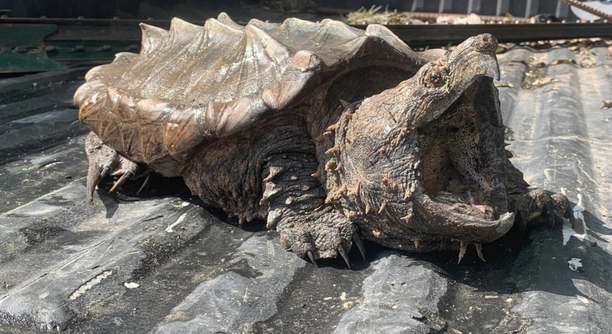
When bringing an alligator snapping turtle into a new environment, it’s important to understand their needs. These creatures can be sensitive to changes in their habitat, which can affect their adjustment. Knowing how to help them is essential.
To help an alligator snapping turtle adjust to a new home, ensure that the environment is consistent and calm. Maintain proper water temperature, provide hiding spots, and avoid sudden disturbances. Gradual changes will help the turtle settle in more easily.
Proper adjustment takes time, but following these guidelines will ensure your turtle thrives in its new home.
Creating the Right Environment for Your Turtle
When introducing an alligator snapping turtle to its new home, the first priority is to ensure the environment is suitable. These turtles are known for their preference for slow-moving water and a calm atmosphere. To start, make sure the tank or enclosure is large enough for the turtle to move around comfortably. The water should be clean and clear, with proper filtration to maintain water quality. The temperature must be kept steady, as sudden changes can cause stress. Aim for a water temperature between 70°F and 80°F, depending on the species. In addition to temperature control, the tank should have both shallow and deep areas to accommodate the turtle’s need for both aquatic and terrestrial spaces. Soft substrates, such as sand or mud, will allow the turtle to feel secure as they navigate their new home.
Ensure your turtle has a proper basking area with access to UVB lighting. This helps maintain the health of their shell and overall well-being. If the setup is too cramped or uncomfortable, the turtle may become stressed, which can hinder adjustment.
An alligator snapping turtle can live in a variety of aquatic habitats, but it thrives in a setup that mimics its natural surroundings. The combination of the right temperature, water quality, and hiding spaces will support their adjustment. Regular maintenance is key in keeping the tank environment optimal for the turtle’s health.
Gradual Transition
Alligator snapping turtles can take time to adjust to a new home.
Introduce changes gradually, starting with a stable environment and avoiding sudden shifts in temperature or water conditions. It’s helpful to monitor the turtle for signs of stress, such as erratic swimming or hiding for long periods. Keep the habitat quiet and undisturbed, limiting interactions during the initial adjustment period. The turtle may take a few days or weeks to feel comfortable in its new space. This slow transition helps the turtle gain confidence and ensures a smoother adjustment.
Stress can affect the turtle’s behavior and health, making a gradual transition essential. The slower the process, the better chance your turtle has to thrive in its new home. By keeping changes minimal and consistent, your alligator snapping turtle will have a higher chance of adjusting well.
Providing Proper Nutrition
A balanced diet is crucial for the alligator snapping turtle’s adjustment. They are carnivorous and thrive on a diet that includes fish, worms, and small aquatic animals. In the wild, they primarily hunt live prey, but in captivity, you can feed them a mix of frozen or live options. Offering food every other day will help maintain their health and avoid overfeeding. Avoid offering food that is too large, as it can stress the turtle, especially when adjusting to a new environment.
It’s important to offer a variety of food to ensure your turtle receives all necessary nutrients. If they’re hesitant to eat, don’t worry—stress from the move can affect their appetite. Make sure to remove any uneaten food promptly to keep the water clean. Supplement their diet with calcium to support shell growth, and avoid high-fat content, as this can lead to health issues. Healthy feeding habits are key to a smooth adjustment process.
Sometimes, it takes a while for the turtle to adapt to a new feeding routine. If they seem disinterested in food at first, continue offering smaller meals until they become comfortable. They may be more inclined to eat when they feel secure in their environment. Over time, the turtle will begin to recognize the feeding schedule and start eating more regularly, contributing to its overall health and adjustment.
Managing the Turtle’s Behavior
An alligator snapping turtle can be reclusive and shy, especially when adjusting to a new home. Expect periods where the turtle hides or remains inactive. Don’t be alarmed, as this is normal behavior for the species. They tend to retreat into hiding spots during the day and are more active at night. It’s important to let the turtle adjust on its own time and avoid trying to force interaction. Gradually, it will become more confident and active in its new environment.
One way to encourage positive behavior is by ensuring the habitat is enriched with elements that allow the turtle to explore. Adding rocks, plants, and driftwood can give the turtle the opportunity to roam and hide as needed. This type of environment promotes natural behaviors and helps the turtle feel more at ease. It’s also important to keep the tank free from disturbances to avoid stressing the turtle further.
As time passes, the turtle will become more accustomed to its surroundings. While it might remain shy initially, providing a calm and stable environment will allow it to build confidence. Just remember, patience is essential when helping an alligator snapping turtle adjust to its new home.
Monitoring Water Quality
Water quality plays a significant role in your alligator snapping turtle’s adjustment. They require clean, filtered water to thrive. Regularly test the water for pH, ammonia, nitrites, and nitrates to ensure it remains within a safe range. Make sure the filter is powerful enough to handle the tank’s size.
Proper water filtration is essential to keep the environment clean and clear. Without a good filter, waste can build up quickly, causing the water to become toxic. Regular water changes will also help maintain optimal conditions for your turtle. Avoid using harsh chemicals in the water, as they can stress the turtle.
Monitor the water temperature closely. If it fluctuates too much, it could cause health problems for the turtle. Keeping the water stable and within the ideal temperature range of 70°F to 80°F is crucial to ensure proper metabolism and digestion. A water heater with a thermometer can help regulate temperature accurately.
Creating a Safe Space
Make sure the turtle has plenty of hiding spots in its enclosure.
Provide natural elements like rocks, plants, and driftwood for shelter. This makes the turtle feel secure and less stressed, especially during its adjustment phase.
Limiting Handling and Interaction
During the adjustment period, it’s important to limit handling and direct interaction with the turtle.
Turtles are sensitive to touch and may feel threatened if handled too frequently. Allow the turtle time to become familiar with its environment before introducing physical contact. Gradually, it will become more accustomed to your presence and may approach you on its own.
FAQ
What is the ideal tank size for an alligator snapping turtle?
An alligator snapping turtle requires a large tank to move around comfortably. For an adult turtle, a 100-gallon tank is the minimum. The larger the tank, the better, as this allows the turtle more space to explore and reduce stress. Smaller tanks will quickly lead to poor water quality, which can negatively affect the turtle’s health. The tank should also be deep enough to allow the turtle to swim freely, as they prefer to stay submerged most of the time.
How can I keep the water temperature stable for my turtle?
The best way to keep the water temperature stable is by using a reliable aquarium heater with a built-in thermometer. Alligator snapping turtles thrive in water between 70°F and 80°F. Be sure to regularly check the temperature with an accurate thermometer to ensure it doesn’t fluctuate. If the water is too cold or too hot, it can stress the turtle and affect its digestion and metabolism. Place the heater at one end of the tank to create a slight temperature gradient, allowing the turtle to move to its preferred area.
How do I clean my turtle’s tank?
Cleaning the tank regularly is essential to maintain water quality and keep your turtle healthy. Perform partial water changes once a week by replacing 20-30% of the water. Use a gravel vacuum to remove debris from the bottom of the tank. Check the filter monthly to ensure it is working properly, and replace the filter media as needed. Scrub the walls of the tank every few weeks to remove algae buildup. When cleaning, avoid using harsh chemicals, as they can harm your turtle. Always rinse equipment and decorations thoroughly before placing them back in the tank.
What should I feed an alligator snapping turtle?
An alligator snapping turtle is carnivorous and requires a diet of animal-based foods. Offer a variety of protein-rich foods like fish, shrimp, worms, and even small mammals. You can also feed them some commercially available turtle food that is high in protein. They are known to hunt their prey in the wild, but in captivity, you can offer frozen or live foods. It’s important not to overfeed, as this can cause obesity and other health issues. Feed them every other day, and remove any uneaten food after a few hours to maintain water quality.
How do I provide UVB lighting for my turtle?
UVB lighting is essential for the health of your alligator snapping turtle. It helps them synthesize vitamin D3, which is necessary for proper shell growth and calcium absorption. Provide a UVB light over the basking area, ensuring it’s on for about 10-12 hours per day. The light should be positioned within 12 inches of the basking platform. Be sure to replace the bulb every 6-12 months, as UVB output diminishes over time. Without adequate UVB exposure, your turtle could develop shell deformities and other health problems.
How often should I handle my alligator snapping turtle?
It’s best to avoid handling your turtle too frequently, especially during the adjustment phase. These turtles are shy and can become stressed if they are handled too much. Allow your turtle time to acclimate to its environment before attempting any interaction. When you do handle it, keep the sessions short and gentle. It’s important to let the turtle approach you on its own terms. Excessive handling can also lead to injuries, as they have sharp claws and strong jaws that they may use defensively.
Why isn’t my turtle eating?
If your alligator snapping turtle isn’t eating, it may be due to stress from the move or changes in its environment. Turtles can be sensitive to temperature changes, water quality issues, and too much human interaction. Ensure that the water is the correct temperature and that the turtle has a secure space to hide. If the lack of appetite persists for more than a week, consider consulting a veterinarian to rule out health problems. In some cases, adjusting the diet or offering live prey may encourage eating.
Can I keep an alligator snapping turtle with other pets?
It’s generally not recommended to keep an alligator snapping turtle with other species, especially smaller ones. These turtles are carnivorous and may try to eat smaller fish or aquatic animals in the tank. If you want to keep multiple turtles together, make sure they are similar in size to avoid aggression. Even among turtles, it’s essential to ensure that they have enough space to avoid territorial disputes. If you are unsure about whether your turtle can live with other pets, it’s best to keep them in a single-species tank.
How can I tell if my turtle is stressed?
Signs of stress in an alligator snapping turtle include erratic swimming, excessive hiding, refusal to eat, and visible changes in behavior, such as being more aggressive or lethargic. Stress can be caused by factors like poor water quality, incorrect temperature, frequent handling, or an unsuitable environment. It’s essential to monitor the turtle for these signs and adjust its habitat as needed. Reducing stress can help improve the turtle’s overall health and make it feel more comfortable in its new home.
How can I tell if my turtle is healthy?
A healthy alligator snapping turtle will have a smooth, hard shell without visible cracks or soft spots. It should be active, with clear, alert eyes and a strong appetite. Check the turtle’s skin and shell for any signs of infection or injury, such as swelling, discharge, or unusual growths. A healthy turtle will swim and dive without difficulty, and it should bask regularly under the UVB light. If you notice any changes in behavior, appearance, or appetite, it may be time to consult a veterinarian.
Final Thoughts
Caring for an alligator snapping turtle requires careful attention to detail, especially when helping it adjust to a new environment. It is important to provide the right space, water quality, and diet to ensure the turtle’s well-being. A proper tank setup, including clean water, a reliable filter, and UVB lighting, plays a significant role in creating a comfortable habitat. Without these essentials, the turtle may experience stress, which could hinder its adjustment. Remember that this species is naturally shy and may need some time to feel safe in its new home.
Beyond the physical environment, patience is key. Alligator snapping turtles are sensitive creatures that may not adjust quickly to changes. Handling them too often or too early can cause unnecessary stress. Giving them space to settle in and monitoring their behavior closely will help you determine when they are ready for interaction. Over time, your turtle will likely grow accustomed to its new surroundings and may even begin to show more interest in exploring its habitat. Creating a stable, low-stress environment is crucial to their long-term health.
As you continue to care for your alligator snapping turtle, don’t forget to keep an eye on its health and adjust its care routine as needed. Regular water changes, a balanced diet, and a proper basking area will ensure it remains healthy. Being proactive and understanding your turtle’s needs will make the adjustment period smoother for both you and your turtle. With proper care, your alligator snapping turtle can live a long and healthy life in its new home.

Hello,
If you enjoy the content that we create, please consider saying a "Thank You!" by leaving a tip.
Every little bit helps us continue crafting quality advice that supports the health, happiness, and well-being of pets around the world, for pets of all shapes, sizes, and species.
We really appreciate the kindness and support that you show us!