
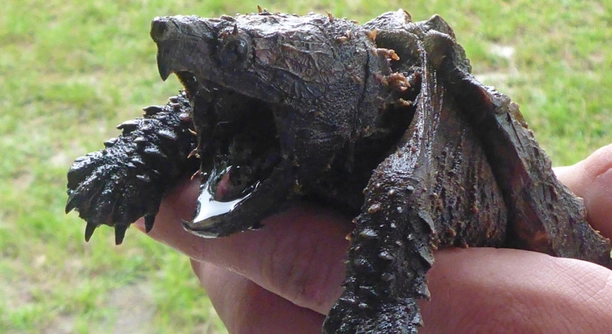
Alligator snapping turtles are fascinating creatures, but if you notice your turtle’s eyes becoming swollen, it’s important to take action. There are various reasons this could be happening, and understanding them can help.
Swollen eyes in alligator snapping turtles can occur due to several reasons, including infections, injuries, dehydration, or improper water conditions. These issues can lead to discomfort or even more severe health problems if left untreated, requiring prompt attention.
Addressing these causes early on will ensure your turtle remains healthy and happy. Understanding how each factor contributes to the issue is vital for preventing further complications.
Common Causes of Swollen Eyes in Alligator Snapping Turtles
Swelling around your alligator snapping turtle’s eyes may indicate a number of health issues. One of the most common causes is an infection, which can occur if the turtle’s environment is not kept clean. Bacterial or fungal infections can irritate the eyes, leading to swelling and discomfort. Poor water quality can also contribute to infections, as dirty water can introduce harmful microorganisms. Another factor is injury, which may result from interactions with tank mates or rough handling. Even minor injuries, if not treated, can cause swelling.
It’s crucial to ensure the tank’s water is regularly changed and cleaned to reduce the risk of infections. Maintaining a stable temperature and adequate filtration also plays a vital role in your turtle’s health.
A lack of proper hydration can be another significant issue. Dehydration causes your turtle’s body to react negatively, often leading to swollen eyes. This is especially common in turtles kept in environments with insufficient humidity or water access. Always ensure your turtle has easy access to clean water and moisture.
Eye Infections and Their Impact
Infections can result from a variety of sources, including bacteria, fungi, and viruses. Alligator snapping turtles are particularly susceptible to eye infections when kept in improperly maintained tanks. Infected eyes can cause swelling, discharge, and irritation, making it uncomfortable for the turtle. If left untreated, infections may worsen and lead to vision impairment or more severe health complications.
To prevent infections, regularly check the water’s cleanliness and ensure your turtle has access to UV light for proper health. In addition, it’s essential to avoid handling your turtle too roughly, as physical trauma to the eyes can easily lead to infections.
If you notice signs of infection, such as redness or pus around the eyes, you should immediately consult a veterinarian experienced with reptiles. Eye infections can be treated with medications, but the sooner they’re addressed, the less likely they are to cause lasting damage. Treatment usually involves topical antibiotics or antifungal medications, which can effectively clear up the infection and reduce swelling. Keep the environment as clean as possible to prevent future occurrences.
Dehydration and Its Effect on Eye Health
Dehydration is another factor that can cause swelling in your alligator snapping turtle’s eyes. When a turtle doesn’t have enough water, its body starts to show signs of distress. This can lead to puffiness or swelling, especially around the eyes.
It’s essential to monitor your turtle’s hydration closely. Ensure that they always have access to clean water, and make sure the water is at the right temperature for the species. If your turtle’s environment is too dry or the water is too shallow, it can lead to dehydration.
Some turtles may also have difficulty drinking if their environment isn’t ideal. This can be especially true for those kept in tanks that don’t have enough humidity. Regular water changes and providing a suitable basking spot will help keep your turtle properly hydrated.
Tank Conditions and Water Quality
Water quality is critical to the overall health of your alligator snapping turtle. Poor water conditions can lead to a variety of problems, including swollen eyes. Harmful bacteria and chemicals can thrive in stagnant or dirty water, increasing the risk of infections and inflammation.
Regularly cleaning the tank and monitoring the water parameters like pH, ammonia, and nitrate levels is essential. A good filtration system will help maintain clean water, but it’s also important to perform partial water changes regularly. Dirty water can be a breeding ground for harmful microorganisms, which may contribute to swelling around the eyes.
Proper tank conditions will also help avoid stress, which is another factor that can impact your turtle’s immune system. Stress from inadequate living conditions can make it harder for your turtle to fight off potential infections, resulting in symptoms like swollen eyes. Always ensure that your turtle’s habitat is clean, spacious, and well-maintained.
Physical Injuries and Eye Swelling
Injuries, whether from rough handling or tank mates, can cause swelling around the eyes. These injuries can range from scratches to more severe damage. Even minor trauma, if untreated, may result in visible swelling.
If your turtle has been injured, check for cuts, bruises, or other signs of physical damage. It’s important to address any injuries promptly. Swelling can worsen, especially if there’s an infection involved.
Stress and Its Role in Swelling
Stress can weaken your turtle’s immune system, making it harder to fight off infections. Swelling around the eyes may result from prolonged stress. Ensure your turtle’s environment is stable and calm to reduce stress levels.
Stress can be caused by a variety of factors, including overcrowded living conditions or sudden changes in the environment. Your turtle needs a quiet, peaceful space to feel secure. Stress compromises their health, leading to conditions such as swollen eyes.
FAQ
What should I do if my alligator snapping turtle’s eyes are swollen?
If your turtle’s eyes are swollen, start by checking the water quality and tank conditions. Ensure that the water is clean, the temperature is suitable, and there’s no debris or chemicals affecting the water. If you notice discharge or other signs of infection, consult a veterinarian who can provide medication. In the meantime, reduce stress by limiting handling and ensure your turtle has access to fresh, clean water.
How can I tell if my turtle’s swollen eyes are from an infection?
An infection typically causes redness, swelling, and discharge around the eyes. If you notice pus or mucus, this could be a sign of an eye infection. Swelling from infection may also cause your turtle to appear lethargic or have difficulty opening its eyes. Early treatment can help prevent further complications, so seeing a vet as soon as you notice these symptoms is crucial.
Can poor water quality cause my turtle’s eyes to swell?
Yes, poor water quality is one of the most common causes of swollen eyes in turtles. Dirty or improperly maintained water can harbor harmful bacteria and other microorganisms that irritate your turtle’s eyes. Regular water changes and a good filtration system are essential to prevent eye-related issues.
How can I prevent eye swelling in my alligator snapping turtle?
Preventing eye swelling involves maintaining a clean environment, providing fresh water, and ensuring your turtle’s habitat is free from stressors. Regularly check the water temperature and quality, and ensure the tank has the proper filtration system. You should also avoid rough handling, which can cause physical injuries.
Is it normal for my alligator snapping turtle to have slightly puffy eyes?
A small amount of puffiness in the eyes can sometimes occur naturally, but it’s important to monitor it. If the puffiness is persistent or accompanied by other symptoms like discharge, redness, or behavioral changes, it could indicate a health issue. Swelling that doesn’t resolve on its own should be checked by a vet.
Could my turtle’s eyes be swollen due to dehydration?
Yes, dehydration can lead to swollen eyes. If your turtle is not drinking enough water or if the humidity and water levels in the tank are too low, dehydration can occur. To avoid this, always ensure your turtle has access to clean, fresh water, and maintain the correct humidity levels in its environment.
How can I tell if my alligator snapping turtle is stressed?
Signs of stress in turtles include erratic behavior, lack of appetite, and hiding more than usual. Stress can also cause physical symptoms like swollen eyes, as it weakens the immune system. Ensure that your turtle’s tank is spacious, with adequate hiding spots, and avoid sudden environmental changes.
Are eye infections in alligator snapping turtles treatable?
Yes, eye infections in alligator snapping turtles are treatable with proper veterinary care. The vet may recommend antibiotic or antifungal medications, depending on the type of infection. Early intervention is important to prevent further damage, so if you notice signs of infection, it’s best to act quickly.
Can alligator snapping turtles get eye infections from other tank mates?
Yes, eye infections can spread between turtles, especially in a tank with multiple animals. If one turtle has an infection, the bacteria or fungus can transfer to others through shared water or contact. It’s important to quarantine sick turtles to avoid infecting the rest of the tank population.
Is swollen eyes a sign of a serious health problem?
Swollen eyes can be a sign of an underlying health issue, such as an infection, dehydration, or injury. If left untreated, these problems could lead to more severe complications, including vision loss or general decline in health. It’s important to identify and treat the root cause promptly to prevent long-term damage.
Final Thoughts
Eye swelling in alligator snapping turtles can occur for various reasons, including poor water quality, physical injury, stress, dehydration, or infections. Identifying the cause early is crucial to prevent further complications. A clean tank, proper hydration, and a stress-free environment are key factors in maintaining your turtle’s overall health. Regular tank maintenance, such as cleaning and ensuring the water is free of harmful bacteria, will help avoid many common issues.
If you notice any swelling around your turtle’s eyes, it’s important to monitor other signs, such as discharge or changes in behavior. Early detection can help address the issue before it becomes severe. Infections, dehydration, and stress are some of the most common causes of eye swelling, but each condition requires a different treatment approach. By understanding the symptoms and underlying causes, you can take the necessary steps to help your turtle recover.
Consulting a veterinarian is the best course of action if your turtle’s condition doesn’t improve with simple environmental adjustments. A vet can prescribe the correct medication or treatment plan based on the cause of the swelling. Whether the problem is an eye infection, dehydration, or stress, addressing it quickly ensures your alligator snapping turtle remains healthy and comfortable. Taking proactive measures and keeping a close eye on your turtle’s health will help prevent serious issues in the future.

Hello,
If you enjoy the content that we create, please consider saying a "Thank You!" by leaving a tip.
Every little bit helps us continue crafting quality advice that supports the health, happiness, and well-being of pets around the world, for pets of all shapes, sizes, and species.
We really appreciate the kindness and support that you show us!