
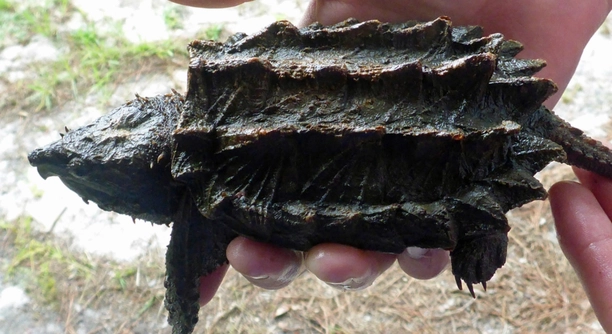
Alligator snapping turtles are fascinating creatures, but they can sometimes present challenges when kept in captivity. Knowing how to properly care for them is essential to their well-being. This article will explore whether these turtles can climb out of their tanks and how to prevent escapes.
Alligator snapping turtles, due to their strong limbs and climbing ability, can occasionally escape from their enclosures. It is essential to ensure their tanks are secure with high sides or secure lids to prevent this behavior.
To keep your alligator snapping turtle safe, it’s important to understand their needs and how to set up a secure environment. With the right precautions, you can prevent escapes and maintain their health.
Can Alligator Snapping Turtles Climb Out of Their Tanks?
Alligator snapping turtles are known for their impressive strength and curiosity, which can sometimes lead to unexpected escapes. Their strong limbs and powerful claws give them the ability to climb or even push through obstacles in their tank. It’s important to understand that while these turtles are primarily aquatic, they have a natural instinct to explore and climb. This makes it easier for them to find ways to escape from enclosures that are not properly secured. For this reason, keeping an alligator snapping turtle in a tank with high sides or a lid is essential. Without these precautions, there is a risk that the turtle might climb out, especially if the environment lacks enrichment or stimulation. Ensuring that their habitat is secure and suitable for their needs can prevent unnecessary stress and potential injuries caused by escaping.
Many turtle owners may not realize the importance of tank security until an escape happens. Alligator snapping turtles can be surprisingly resourceful when trying to leave their tanks, even if they appear content otherwise.
A secure tank setup is crucial to preventing escapes. Use high walls or tanks that can be covered with a secure lid to keep your alligator snapping turtle from climbing out. You might also want to double-check that the lid is tightly fastened, as these turtles can be persistent. Keeping your turtle’s habitat well-maintained and adjusting it to their growing needs can help reduce their drive to escape. Along with proper security, offering enrichment, such as hiding spots or objects to climb on, will help keep them mentally and physically satisfied in their environment. Ensuring that the tank size is appropriate for their growth is another important factor to consider, as too small of an enclosure might increase their desire to explore beyond their boundaries.
How to Prevent Your Turtle from Escaping
It’s not difficult to create an escape-proof environment for your alligator snapping turtle. Proper tank design and regular checks are key.
Start with ensuring that the walls of your turtle’s tank are high enough, preferably above 12 inches. If your turtle is particularly active, higher sides will prevent them from reaching the top. A tightly fitting lid is also important, as snapping turtles have been known to nudge or push until something gives. Some owners even opt for mesh or secured screens to ensure airflow while keeping the turtle contained. However, you should avoid thin or loose-fitting materials, as they may be easier for the turtle to manipulate. Additionally, you can create a more stimulating environment for your turtle. Provide a variety of textures, objects to climb, and spaces to hide so they won’t feel the urge to escape out of boredom. The more comfortable your turtle feels, the less likely it will try to get out. Regularly check the enclosure to ensure there are no weaknesses, gaps, or escape routes that your turtle could exploit. Lastly, remember to adjust the tank setup as your turtle grows, as they may require more space and stronger barriers over time. Keeping your snapping turtle safe is all about making sure its environment suits its physical and mental needs.
Tank Setup for Alligator Snapping Turtles
To keep an alligator snapping turtle safe, ensure the tank is appropriately sized and secure. The tank should be large enough to provide swimming space and avoid overcrowding.
The best tank setup includes tall walls to prevent escape and a solid lid. A tank that holds at least 100 gallons is ideal for these turtles. Include a basking area and proper filtration system, as clean water is vital for their health. Adding hiding spots will help your turtle feel secure and reduce stress. It’s also essential to adjust the temperature to mimic their natural habitat, with a warm basking spot and cooler water areas.
In addition to the right tank size, using a secure lid is crucial to keeping the turtle inside. Mesh lids or screens can provide ventilation but must be tightly fastened to prevent escape attempts. Many owners use glass tops or locks to make sure the lid stays secure. Snapping turtles are known to be persistent, so you must eliminate any opportunity for them to climb out. Keep in mind that the lid should be strong enough to withstand the turtle’s weight and any pressure it applies while attempting to escape.
Adding Enrichment to the Tank
Enrichment keeps alligator snapping turtles mentally and physically engaged. Incorporating objects that mimic their natural environment is a great place to start.
Consider adding submerged logs, rocks, or artificial plants to allow your turtle to climb and hide. This will give your turtle something to do and reduce its need to escape. These objects also provide hiding spots where the turtle can retreat if it feels stressed or threatened. A good variety of textures, from smooth rocks to rough surfaces, can encourage exploration, making the tank more interesting for the turtle.
For additional enrichment, rotate objects regularly to keep the turtle’s environment stimulating. Snapping turtles enjoy hunting, so adding food-based challenges can also keep them engaged. You could hide food in different areas of the tank to encourage natural foraging behavior. Be mindful of the turtle’s size and activity level when selecting enrichment objects, ensuring they are safe and do not pose any risk of injury. A properly enriched environment will help prevent your turtle from trying to escape out of boredom or frustration.
Proper Tank Lid for Snapping Turtles
A secure tank lid is crucial for preventing alligator snapping turtles from escaping. Ensure the lid fits tightly and cannot be easily moved by the turtle.
Use a heavy-duty material such as glass or solid plastic for the lid. A loose-fitting lid is an open invitation for escape, so always check that it’s secure. Additionally, consider adding locks or clips to ensure it stays in place. With a tight-fitting lid, you can prevent the turtle from attempting to push or climb its way out.
Tank Size Considerations
The size of the tank is important for both the well-being and safety of your snapping turtle. A tank that’s too small may encourage escape attempts.
A tank should be at least 100 gallons for a single alligator snapping turtle. The larger the tank, the more space your turtle has to explore and swim, reducing its drive to climb out. Having sufficient room to move and interact with the environment will also help your turtle stay healthy and feel secure in its habitat.
Water Filtration and Cleanliness
Clean water is essential for snapping turtles to thrive. A strong filtration system is necessary to keep the water clear and safe.
These turtles are sensitive to poor water quality, which can lead to health issues like shell rot or infections. Invest in a good filtration system that suits the size of your tank and the turtle’s needs. Regular water changes and monitoring the water parameters will help maintain a healthy habitat, which in turn reduces stress and escape behavior. A well-maintained tank will also reduce the likelihood of the turtle trying to leave in search of cleaner water.
FAQ
Can alligator snapping turtles climb out of their tanks?
Yes, alligator snapping turtles can climb out of their tanks, especially if the enclosure is not secure. These turtles have strong limbs and claws that allow them to push against barriers or climb up if there’s a weak spot. If they feel cramped or their environment lacks stimulation, they may attempt to climb out. It’s crucial to have tall tank walls and a secure lid to prevent them from escaping. Regularly checking the tank for gaps or loose areas is a good practice to ensure they stay safe inside.
What type of tank do alligator snapping turtles need?
Alligator snapping turtles need a large, secure tank. A tank that holds at least 100 gallons is ideal for one turtle, but larger is even better if you plan to keep more than one. The tank should have high walls to prevent climbing and a solid lid. A filtration system is also essential for maintaining clean water, as these turtles can be sensitive to water quality. Additionally, providing a basking area is important for them to regulate their body temperature, as they need both aquatic and dry areas to feel comfortable.
Do alligator snapping turtles need a basking area?
Yes, alligator snapping turtles require a basking area. While they spend most of their time in the water, they also need a dry area to rest and bask. This helps them maintain proper body temperature, as they are ectothermic (cold-blooded). You can provide a basking platform, a rock, or a log that’s partially submerged in water. Make sure the basking area is in a warm part of the tank to give your turtle the chance to regulate its temperature. Basking is also essential for their shell health and overall well-being.
How often should I feed my alligator snapping turtle?
Alligator snapping turtles are opportunistic eaters, meaning they can eat frequently, but it’s important not to overfeed them. Typically, an adult turtle can be fed every 2-3 days. Younger turtles may need to be fed more often, about once a day. A varied diet is essential, including high-protein foods like fish, worms, and insects, along with some vegetables. Be sure to offer food in appropriate amounts, and avoid leaving uneaten food in the tank as it can affect water quality. Monitor their health and adjust their feeding schedule based on their activity levels and growth.
How do I prevent my snapping turtle from escaping?
To prevent your snapping turtle from escaping, secure the tank with high walls and a tight-fitting lid. The lid should be strong enough to prevent the turtle from pushing it off. Snapping turtles are persistent, so double-check that there are no gaps or weak spots in the tank. Using locks or clips on the lid can add an extra layer of security. Providing a stimulating environment with hiding spots, rocks, and other climbing surfaces will help keep them content inside the tank, reducing the likelihood of escape attempts.
What are the signs that my alligator snapping turtle is stressed?
Stress in alligator snapping turtles can show in different ways. Common signs of stress include a lack of appetite, erratic swimming, excessive hiding, or abnormal behavior such as biting or pacing. If the water quality is poor or the environment isn’t suitable, stress levels will rise. Changes in the turtle’s environment, such as sudden temperature fluctuations or overcrowding, can also cause distress. Make sure the tank is appropriately sized, the water is clean, and the temperature is within the ideal range for your turtle to avoid stress.
How do I set up the proper lighting for my snapping turtle’s tank?
Alligator snapping turtles need both UVB and heat lighting for their tank. UVB light is essential for the turtle’s shell and overall health, as it helps them produce vitamin D3, which is crucial for calcium absorption. The heat light should be placed over the basking area to provide warmth, with temperatures reaching around 85°F to 90°F. The water temperature should be maintained between 75°F and 80°F. Ensure that the light is on a timer to simulate natural day and night cycles, promoting a healthy routine for your turtle.
Can alligator snapping turtles live with other turtles or fish?
Alligator snapping turtles are generally solitary and can be aggressive, especially when feeding. They may not do well in tanks with other turtles, particularly smaller species, as they can become territorial and might bite. The same goes for fish—larger fish might be safe, but small fish could become prey. If you plan to house them with other animals, always monitor the interactions and ensure there’s enough space for everyone. It’s usually best to keep alligator snapping turtles alone to avoid potential aggression or stress from competition for resources.
How can I tell if my alligator snapping turtle is healthy?
A healthy alligator snapping turtle will have clear, bright eyes, a clean and smooth shell, and active swimming behavior. Its appetite should be consistent, and it should be able to move around the tank with ease. If you notice any signs of illness, such as lethargy, a lack of appetite, or abnormal behavior, it’s important to assess the tank’s water quality, diet, and overall setup. Check for any signs of shell damage, infections, or swelling. If your turtle shows signs of illness, it’s best to consult a veterinarian for proper care.
What is the lifespan of an alligator snapping turtle?
Alligator snapping turtles can live for a long time, typically ranging between 30 and 50 years in captivity with proper care. In the wild, they may live even longer. Providing the right environment and diet is essential to help them reach their full lifespan. Regular veterinary checkups can also help prevent any potential health issues. As they grow older, they may require adjustments to their habitat to accommodate their size and evolving needs. Proper care will ensure that your alligator snapping turtle thrives for many years to come.
Final Thoughts
Caring for an alligator snapping turtle requires attention to detail and a secure environment. These turtles have specific needs, including a proper tank setup, a secure lid to prevent escapes, and clean water. The right tank size is essential for their health and comfort, as they need plenty of space to swim and bask. A tank that holds at least 100 gallons is ideal for a single turtle. Providing adequate space will not only make your turtle feel secure but will also reduce the likelihood of escape attempts. The more comfortable your turtle is in its environment, the less likely it will try to climb out.
Creating an enriching environment for your snapping turtle is another important factor in keeping them happy and healthy. Snapping turtles are naturally curious, and offering a variety of objects to climb on, hide in, and explore can keep them mentally stimulated. Adding rocks, logs, or plants to the tank can provide both enrichment and a safe space for your turtle to rest. This type of enrichment helps mimic their natural habitat and reduces boredom, which could otherwise lead to stress or escape attempts. Regularly rotating objects or adding new items to the tank will keep your turtle engaged and make the environment feel more dynamic.
Finally, ensuring that your turtle’s tank is properly maintained is crucial for its well-being. Regular water changes and a strong filtration system will help keep the water clean and free from harmful toxins. The water temperature should be monitored carefully, as snapping turtles prefer water that is between 75°F and 80°F. In addition, providing the correct lighting for basking is essential for their health. UVB light is needed to help with calcium absorption, while a heat light is necessary for regulating their body temperature. By meeting these needs and taking steps to prevent escapes, you can ensure your alligator snapping turtle remains happy and healthy for years to come.

Hello,
If you enjoy the content that we create, please consider saying a "Thank You!" by leaving a tip.
Every little bit helps us continue crafting quality advice that supports the health, happiness, and well-being of pets around the world, for pets of all shapes, sizes, and species.
We really appreciate the kindness and support that you show us!