
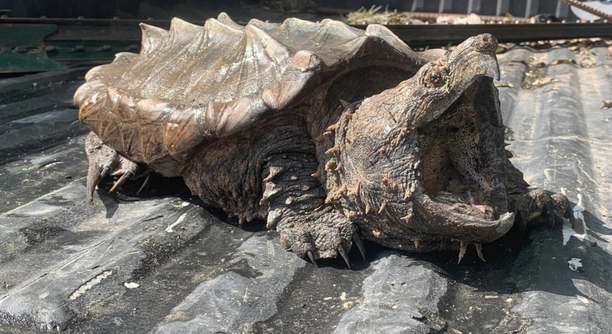
Alligator snapping turtles are fascinating creatures with unique defense strategies. Known for their intimidating appearance, they have adapted remarkable methods to protect themselves from predators in their natural habitat.
Alligator snapping turtles primarily defend themselves using their powerful jaws and sharp beak, which can deliver a forceful bite. They also employ a camouflaging technique, staying motionless and blending into their environment to avoid detection by predators.
These defense mechanisms are just a glimpse into their survival tactics. Continue reading to explore how these turtles fend off potential threats and learn about the predators they face.
How Do Alligator Snapping Turtles Use Camouflage?
Alligator snapping turtles are masters of camouflage. Their rough, algae-covered shells help them blend into their environment. When threatened, these turtles will often remain motionless, allowing their surroundings to mask their presence. This strategy is particularly effective in murky waters, where visibility is low. The turtle’s shell looks remarkably similar to the surrounding rocks and debris, making it difficult for predators to spot them. By remaining still, they avoid drawing attention to themselves, which helps them stay safe from animals that may pose a threat.
Camouflage is one of the key defense strategies these turtles use to protect themselves.
They don’t rely solely on their appearance. Their behavior also plays a critical role in their defense mechanisms. When necessary, they can quickly retreat into the safety of their shells, hiding from predators. Their ability to remain still and appear like part of the environment is an impressive adaptation that enhances their survival chances.
Predators of Alligator Snapping Turtles
Alligator snapping turtles face a variety of predators in their natural habitat. Larger fish, birds of prey, and even mammals are potential threats. Despite their tough shell, they are vulnerable to attacks from creatures like otters, which can prey on them when they’re young or not fully grown.
While adult alligator snapping turtles are tough to catch, younger turtles are much more at risk. Otters are known to be capable swimmers, making it easier for them to approach a turtle without alarming it. Other predators, such as large birds or even raccoons, may also target the young turtles. They can easily spot the small turtles from the air or on land.
To survive these threats, alligator snapping turtles rely on a combination of defensive strategies. Their primary defense mechanism is their powerful bite, but when that’s not enough, they’ll make use of camouflage or retreat into the safety of their shells. By understanding the threats they face, we can appreciate how each aspect of their behavior and physical traits contributes to their ability to survive.
The Alligator Snapping Turtle’s Powerful Bite
The alligator snapping turtle has an incredibly strong bite. This turtle uses its beak-like jaws to defend itself when necessary. It’s capable of biting through the tough skin of prey or delivering a painful bite to predators.
These turtles are known to strike quickly, and their bite is forceful enough to scare off larger threats. The sharp, hooked shape of their jaws enables them to capture and hold onto prey with impressive strength. When facing danger, an alligator snapping turtle will use its bite as a last resort. Their ability to defend themselves with this powerful weapon is one of the reasons they remain a top predator in their habitat.
A bite from an alligator snapping turtle can cause serious injury. They are equipped to deal with threats, whether from land or water. Their powerful jaws allow them to fend off predators that may attempt to capture or harm them. This bite can act as both an offense and a defense, depending on the situation.
The Role of Their Environment in Defense
The alligator snapping turtle’s environment plays a key role in its survival. They live in slow-moving rivers and swamps where they can hide easily. Their natural habitat provides plenty of opportunities for them to stay hidden from predators.
The murky water of their environment helps the alligator snapping turtle stay undetected. These turtles prefer to remain motionless for long periods, allowing them to blend seamlessly with rocks and debris. This behavior, combined with their camouflaged shell, makes them hard to spot by both predators and prey. The environment provides the perfect setting for these turtles to stay safe.
The habitat not only offers protection but also ample food sources. The alligator snapping turtle thrives in these environments, where its ability to stay hidden gives it a significant advantage. Whether camouflaged among rocks or waiting for prey, these turtles make the most of their surroundings to stay out of harm’s way.
Behavior During Threats
When faced with danger, alligator snapping turtles often rely on their ability to remain still. They might hide in the water or press their bodies against rocks to blend in. This passive defense is effective in avoiding detection by predators.
They may also use their powerful jaws to defend themselves. If motionless camouflage isn’t enough, a quick strike is their next option. The turtle’s ability to switch between passive and active defense makes it a versatile survivor in the wild. These behaviors help ensure their protection against a variety of threats.
The Alligator Snapping Turtle’s Habitat and Protection
The alligator snapping turtle’s habitat, often found in murky rivers and swamps, plays a major role in its survival. These environments provide ample cover, enabling the turtle to stay hidden from predators. Its shell, which looks like a pile of rocks, enhances its camouflage.
In addition to its physical appearance, the water itself offers protection. The murkiness makes it difficult for predators to spot the turtle, and its slow-moving environment gives it time to react. Combined with its ability to blend in, this habitat helps the alligator snapping turtle remain hidden and safe.
Predators of the Alligator Snapping Turtle
Alligator snapping turtles face predators like large fish, otters, and birds of prey. While adult turtles are usually safe due to their size and strength, young turtles are vulnerable to attacks. Their small size and lack of experience make them easier targets for predators.
FAQ
What is the main defense mechanism of an alligator snapping turtle?
The alligator snapping turtle’s primary defense mechanism is its camouflage. Its rough, algae-covered shell helps it blend into its surroundings, making it harder for predators to spot. By remaining still, the turtle avoids detection. If this method fails, the turtle uses its powerful bite as a last resort. This combination of camouflage and strength helps ensure its survival in the wild.
How strong is an alligator snapping turtle’s bite?
An alligator snapping turtle’s bite is incredibly strong, capable of exerting significant pressure. Their beak-like jaws can easily break through tough prey, such as fish and crustaceans. When threatened, the turtle can use this powerful bite to defend itself. It’s considered one of the strongest bites among reptiles, making it a formidable opponent.
Do alligator snapping turtles bite humans?
While alligator snapping turtles are not typically aggressive toward humans, they will bite if threatened. If provoked or handled improperly, they may strike out of self-defense. It’s important to approach them cautiously, as their bite can be painful and cause injury. They are not naturally aggressive but will defend themselves when needed.
Can alligator snapping turtles swim fast?
Alligator snapping turtles are not fast swimmers. They prefer slow-moving water where they can easily camouflage. They rely on their ability to remain still and blend in with their surroundings rather than outrun predators. Though they can swim when necessary, their strategy is to stay hidden rather than escape.
How do alligator snapping turtles hunt for food?
Alligator snapping turtles are ambush predators. They lie in wait, often remaining motionless for long periods. Using a unique technique, they lure prey in by wiggling their tongue, which resembles a worm. When a fish or other prey approaches, they strike quickly with their powerful jaws.
What do alligator snapping turtles eat?
Alligator snapping turtles are carnivores. They primarily eat fish, crustaceans, and aquatic insects. They also consume smaller animals like frogs and waterfowl when they can catch them. Their diet consists mostly of animals that inhabit their aquatic environment, making them well-suited to life in rivers and swamps.
Are alligator snapping turtles endangered?
Alligator snapping turtles are considered a species of concern. While they are not officially listed as endangered, their populations are declining due to habitat destruction and illegal hunting. Efforts are being made to protect their natural habitats and prevent overharvesting, but their future remains uncertain without proper conservation measures.
How long do alligator snapping turtles live?
Alligator snapping turtles have long lifespans, often living 30 years or more in the wild. Some individuals have been known to live for over 70 years, although their growth rate is slow. These turtles reach sexual maturity at around 11 to 13 years of age. Their long life expectancy makes them vulnerable to environmental changes.
Can alligator snapping turtles be kept as pets?
Alligator snapping turtles are sometimes kept as pets, but they require a lot of care. They need a large, well-maintained aquarium with access to clean water. It is also important to provide them with a varied diet of live food. However, due to their size and strength, they are not ideal for inexperienced pet owners.
What predators threaten alligator snapping turtles?
Alligator snapping turtles face threats from larger animals such as otters, birds of prey, and larger fish species. While adult turtles are generally safe due to their size and strong defense mechanisms, young turtles are more vulnerable. Predators can easily target them until they grow large enough to defend themselves.
How do alligator snapping turtles reproduce?
Alligator snapping turtles reproduce by laying eggs in the summer. Female turtles leave the water to find a suitable nesting site, typically in sandy or muddy areas. After laying their eggs, the female returns to the water, leaving the eggs to hatch on their own. The young turtles are independent from birth.
Do alligator snapping turtles migrate?
Alligator snapping turtles are not known to migrate over long distances. They typically stay within a specific range of their home waters. However, they may move to different areas within their habitat if conditions change, such as during the dry season when water levels drop. They do not undertake seasonal migrations like some other turtle species.
How large do alligator snapping turtles get?
Alligator snapping turtles are large reptiles, with some individuals reaching lengths of up to 30 inches (76 cm) and weighing over 200 pounds (90 kg). Males are typically larger than females. Their large size helps them fend off many predators and gives them an advantage in their aquatic environment.
What is the lifespan of a baby alligator snapping turtle?
Baby alligator snapping turtles face many dangers in their early years. Their lifespan in the wild can be shorter due to predators. However, if they survive their first few years, they can live long, healthy lives, sometimes reaching 30 to 50 years. Many do not make it to adulthood due to natural threats.
What makes the alligator snapping turtle different from other turtles?
The alligator snapping turtle stands out because of its size, appearance, and defense strategies. Its rough, spiked shell resembles the texture of an alligator’s back, and its unique method of hunting, using a tongue-shaped lure, is unlike other turtles. It also has a stronger bite compared to most turtles.
Are alligator snapping turtles aggressive?
Alligator snapping turtles are not naturally aggressive. They are generally passive and prefer to remain hidden. However, they can become aggressive if they feel threatened. In these situations, they may use their powerful bite or attempt to scare off predators using their intimidating appearance.
Final Thoughts
Alligator snapping turtles are fascinating creatures with unique survival strategies. Their ability to remain still and blend into their environment makes them incredibly well-suited for avoiding predators. They rely on camouflage and their powerful bite to protect themselves when needed. While these turtles are often considered one of the largest freshwater turtles in North America, their behavior and physical traits also play a significant role in their defense. From their hidden habitats to their specialized hunting techniques, they are built to thrive in their natural environments.
Despite their resilience, alligator snapping turtles face many challenges in the wild. Their populations are threatened by habitat loss, illegal hunting, and the effects of climate change. Conservation efforts are crucial to ensure their survival and prevent further decline. By protecting their habitats and regulating hunting practices, we can help these turtles continue to thrive. It’s important to acknowledge the balance that these creatures maintain within their ecosystems, as they play a role in managing aquatic populations.
Alligator snapping turtles are remarkable survivors with unique adaptations. They are a key species in their habitat, but their future depends on our efforts to protect them. Understanding their behavior and the threats they face can help in conservation efforts. Awareness and respect for these turtles are essential in ensuring that future generations can appreciate their presence in the wild. With the right protection and conservation strategies, these turtles can continue to live and flourish for years to come.

Hello,
If you enjoy the content that we create, please consider saying a "Thank You!" by leaving a tip.
Every little bit helps us continue crafting quality advice that supports the health, happiness, and well-being of pets around the world, for pets of all shapes, sizes, and species.
We really appreciate the kindness and support that you show us!