
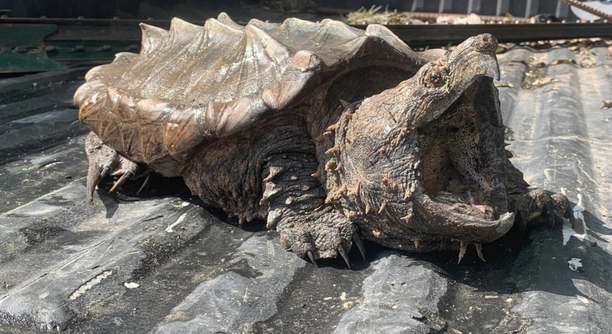
Alligator snapping turtles are fascinating creatures, known for their unique appearance and behavior. If you’ve noticed your turtle digging frequently, it may leave you wondering what’s causing this behavior and whether it’s a sign of something more serious.
The primary reason alligator snapping turtles dig is often linked to their natural instincts. These turtles dig to create burrows, find food, or lay eggs. Digging can also be a sign of stress or a need for a suitable habitat.
Understanding why your turtle is digging can help you provide a better environment. Proper care and attention will ensure your snapping turtle remains healthy and content.
Why Alligator Snapping Turtles Dig
Alligator snapping turtles have natural instincts that drive them to dig. In the wild, they dig to create safe, secure burrows that protect them from predators and harsh weather conditions. In captivity, your turtle might dig as a way to mimic its natural environment. Digging can also serve as a method to find food or create a comfortable space to rest. These turtles are known to dig into soft substrate, which helps them hide and feel safe. This behavior is a way of securing their surroundings to maintain their sense of comfort and security.
If your turtle is digging more than usual, it might be trying to establish its own territory or seeking a nesting spot. It’s important to provide them with enough space and proper substrate for digging, as this helps them feel at ease. Without a proper setup, they may dig excessively in search of a more suitable environment.
When your turtle digs, it’s also essential to ensure its habitat is properly maintained. Having a mix of substrate types, such as sand and soil, can promote natural behavior. If you notice unusual or excessive digging, check for signs of stress or discomfort, which may be due to factors like inadequate space or water quality. A suitable environment is essential for minimizing stress and supporting their natural instincts.
Stress and Anxiety
Stress is another reason why alligator snapping turtles dig. If their environment doesn’t meet their needs, they may resort to excessive digging as a way to cope with their anxiety.
Turtles may dig to escape feelings of insecurity caused by improper tank conditions or lack of enrichment. It’s essential to keep their environment stimulating, with enough space to roam and places to hide. When the turtle feels threatened or stressed, digging serves as a way to find comfort and create a safer space.
Digging for Food
Alligator snapping turtles are opportunistic feeders and may dig in search of food. In the wild, they burrow in riverbeds to find small fish, insects, or other creatures. In captivity, they may dig for food if they’re not getting enough in their diet or if they feel hungry.
To prevent your turtle from digging out of hunger, make sure you are feeding it a balanced diet. This includes live food like fish, worms, or even commercial turtle pellets. A lack of food or variety may encourage your turtle to dig in an attempt to find something to eat. If your turtle digs excessively, it could be a sign that its current diet isn’t enough.
Providing your snapping turtle with a varied, nutrient-rich diet can help reduce unnecessary digging. Make sure the food is easy for your turtle to access and is appropriate for its size and age. When your turtle is well-fed and satisfied, you’ll likely see less digging behavior.
Nesting Behavior
Female alligator snapping turtles dig to lay their eggs. They dig deep holes in the soil to create a nest and bury their eggs for protection. This is a natural, instinctive behavior that occurs when the female is ready to reproduce.
If you have a female snapping turtle, ensure the enclosure provides a suitable nesting area. This includes soft, moist soil or sand that allows her to dig and lay her eggs comfortably. If she doesn’t have the right conditions, she might dig excessively in search of a nesting site. It’s essential to provide a proper environment for her to express this behavior naturally.
Nesting can also be influenced by seasonal changes. Female turtles typically lay eggs in warmer months, so you may notice more digging during that time. Understanding this behavior can help you provide the right conditions for your turtle to feel secure during the nesting process.
Inadequate Tank Conditions
Your alligator snapping turtle may dig if its tank conditions are not ideal. Poor water quality, inadequate temperature, or insufficient space can cause stress, leading to digging. Turtles are highly sensitive to their environment, and if something feels off, they may dig to alleviate discomfort.
Make sure your turtle’s tank has clean water, the proper temperature, and enough room to move around. A cramped or dirty tank can lead to frustration and unnecessary digging. Turtles also need hiding spots and areas to explore. Providing these elements will help minimize digging behavior due to poor tank conditions.
Lack of Enrichment
Alligator snapping turtles need mental and physical stimulation. If their environment is too dull, they may dig in search of something to engage with. Boredom can lead to stress, and digging is one way turtles cope with that.
Adding enrichment, like floating logs or rocks to climb on, can reduce excessive digging. Turtles are intelligent and thrive in an environment that challenges them. When given options for exploring and hiding, they’re less likely to resort to digging for entertainment.
FAQ
Why does my alligator snapping turtle dig so much?
Alligator snapping turtles dig for several reasons. It could be due to their natural instinct to create burrows, search for food, or lay eggs. Stress from inadequate tank conditions, such as poor water quality or temperature, can also trigger digging behavior. Female turtles dig to create nests, and if the habitat doesn’t provide a suitable space, they may dig more. To reduce excessive digging, ensure your turtle’s tank is spacious, has clean water, and provides opportunities for natural behaviors like digging for food or nesting.
How can I stop my alligator snapping turtle from digging?
To prevent excessive digging, make sure your turtle’s habitat is suitable. This includes proper tank size, clean water, and a temperature range appropriate for alligator snapping turtles. Adding varied substrates like sand or soil allows them to dig naturally. If the turtle’s environment is too small or lacks places to hide or explore, they may dig out of frustration or stress. Regularly changing the water and ensuring it’s the correct temperature can also help reduce digging. If the behavior persists, consult a veterinarian to rule out any health issues.
How often should I feed my alligator snapping turtle?
Alligator snapping turtles are typically fed two to three times a week. Their diet consists mainly of fish, worms, and other aquatic animals. If your turtle is a juvenile, it may need to be fed more often, as younger turtles require more frequent meals to support their growth. Be mindful of not overfeeding, as this can lead to obesity and health issues. Offering food that is appropriate for the turtle’s size and age ensures that your turtle gets the proper nutrients without encouraging overactive digging for food.
Can stress cause my alligator snapping turtle to dig?
Yes, stress can lead to digging in alligator snapping turtles. Stressful conditions such as poor tank size, overcrowding, or inconsistent water quality can trigger this behavior. Turtles dig to create a sense of security when they feel threatened or uncomfortable. Other stress factors, like noisy environments, handling, or a lack of hiding spaces, can cause anxiety, resulting in excessive digging. Addressing these stress factors by improving their habitat can reduce this behavior. Ensuring a quiet, clean, and safe environment will help your turtle feel secure and minimize digging.
Is it normal for my alligator snapping turtle to dig constantly?
It’s normal for alligator snapping turtles to dig, but constant digging could indicate an issue. If your turtle digs excessively, it may be trying to escape, seeking food, or expressing stress. Female turtles dig to lay eggs, and if they don’t have an appropriate nesting site, they might dig more often. Excessive digging could also point to problems in their environment, such as inadequate space or water quality. Pay attention to the overall tank conditions and behavior. If the digging doesn’t stop after addressing these issues, consider seeking advice from a veterinarian.
Should I provide a nesting area for my female alligator snapping turtle?
Yes, if you have a female alligator snapping turtle, you should provide a suitable nesting area. Female turtles need a soft, moist area to dig and lay their eggs. A layer of soil or sand in a quiet part of the tank can serve as a nesting site. If this environment isn’t available, your turtle may dig in other parts of the tank or appear stressed. Creating a space where she can express her natural nesting behavior can reduce unnecessary digging and keep her comfortable. Be sure to remove any uneaten food that might attract pests around the nesting area.
Can alligator snapping turtles dig up their tank substrate?
Yes, alligator snapping turtles are capable of digging up their tank substrate. They often dig in search of food, to create burrows, or to establish a nesting area. A soft substrate like sand or soil is best for this purpose. However, turtles may dig so much that they disturb the substrate, causing the water quality to deteriorate or the substrate to become uneven. To reduce this, you can use a heavier substrate that’s harder for them to move around, or consider providing other sources of stimulation to keep them from digging too much.
How deep should I make the substrate for my alligator snapping turtle?
The depth of the substrate in your turtle’s tank depends on the turtle’s size and how much digging it typically does. For a natural environment, aim for about 4-6 inches of soft soil, sand, or a mixture of both. This depth gives your turtle enough space to dig and burrow comfortably. However, the depth may need to be adjusted based on the size of the turtle or its digging behavior. Make sure the substrate remains moist but not overly wet to avoid issues with water quality and mold. Regularly monitor the substrate to ensure it doesn’t become too compact or dirty.
Can I prevent my alligator snapping turtle from digging in certain areas of the tank?
It’s difficult to completely prevent an alligator snapping turtle from digging, as this behavior is natural. However, you can try to manage where they dig by providing multiple areas for them to explore. For example, create a designated nesting area with softer substrate and keep other areas of the tank with heavier or coarser substrate. This may encourage your turtle to dig in specific spots. Also, make sure the tank has plenty of hiding spaces, objects to climb on, and water areas where they feel comfortable. By offering variety, you can help minimize unwanted digging behavior.
Final Thoughts
Alligator snapping turtles are fascinating creatures with unique behaviors, and digging is one of the most natural instincts they possess. Whether it’s due to stress, boredom, nesting needs, or habitat conditions, understanding why your turtle digs is key to managing the behavior. Turtles often dig to create a space for themselves, to explore, or to find food. However, constant digging can indicate issues with their environment or health. When you provide them with the right space, clean water, and opportunities for natural behaviors, you can help reduce unnecessary digging.
The most important aspect of addressing excessive digging is making sure your turtle’s tank conditions are optimal. A clean tank with proper filtration, appropriate water temperature, and enough space to move around will significantly decrease stress. Alligator snapping turtles also need enrichment to feel secure and engaged in their environment. Items like rocks, hiding places, or substrates that allow them to dig naturally can make a big difference. With the right habitat, your turtle can focus on the activities that are natural to its species instead of displaying behaviors like digging out of frustration or discomfort.
While digging is a natural behavior for your turtle, it’s essential to observe how frequently it occurs. Occasional digging is completely normal and can even be beneficial, but consistent digging could be a sign that something in the habitat is not quite right. Whether it’s adjusting their tank setup, offering more enrichment, or simply understanding that digging is a part of their natural routine, taking the right steps will help your alligator snapping turtle feel at ease. Remember that their well-being is tied to their environment, and small adjustments can have a big impact on their happiness and health.

Hello,
If you enjoy the content that we create, please consider saying a "Thank You!" by leaving a tip.
Every little bit helps us continue crafting quality advice that supports the health, happiness, and well-being of pets around the world, for pets of all shapes, sizes, and species.
We really appreciate the kindness and support that you show us!