
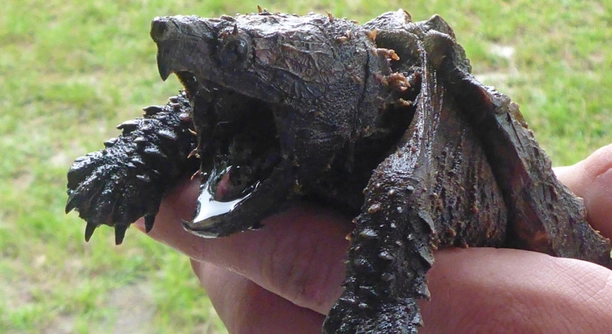
Many people are drawn to the idea of having unique pets, like the alligator snapping turtle, because of their fascinating appearance and behavior. However, keeping one as a pet requires careful consideration.
Alligator snapping turtles are not recommended as pets for most individuals due to their large size, specialized care needs, and aggressive nature. They require spacious habitats, proper diet, and expert knowledge to thrive in captivity.
There are important factors to consider, such as their diet, tank setup, and health care needs. It’s crucial to be well-prepared for the responsibility before adopting one.
What is an Alligator Snapping Turtle?
The alligator snapping turtle is one of the largest freshwater turtles in North America. They can weigh up to 250 pounds and have a powerful bite, making them a formidable creature in their natural habitat. These turtles are known for their distinct appearance, with a spiked shell and a unique, worm-like appendage on their tongue that they use to catch prey. Their size and temperament require careful thought before considering one as a pet. In the wild, they are typically found in deep rivers and lakes, where they can remain submerged for long periods.
Despite their intimidating look, alligator snapping turtles are quite vulnerable in the wild. They face threats like habitat destruction and overfishing. These turtles live long lives, often reaching 50 years or more. As a result, they can require significant care and attention when kept as pets. Their lifespan, combined with their size, makes them a long-term commitment.
Many people are drawn to the unique nature of these turtles, but their care needs are not simple. From setting up the right tank to ensuring proper nutrition, potential owners need to be fully prepared to meet these demands. A well-thought-out environment is essential for their health and longevity.
Habitat and Care Requirements
Alligator snapping turtles require a large space to live in captivity. A tank that is at least 300 gallons is recommended to accommodate their size. You will need both land and water areas within the enclosure. Proper filtration is essential for keeping the water clean, as these turtles produce a lot of waste. Temperature control is another important factor—water temperatures should range between 72-80°F, while the basking area should be slightly warmer.
Providing the right habitat is crucial for their well-being. They are naturally shy creatures and prefer a quiet, stable environment. A solid filtration system helps maintain the water quality, and UVB lighting will ensure they get the proper exposure to mimic their natural habitat. Adding submerged logs or rocks will give them space to hide and climb, which they enjoy. Without the right setup, your turtle’s health could suffer.
While their setup is demanding, providing the appropriate environment helps ensure they live a healthy and active life. Be ready for regular tank maintenance, like water changes and monitoring temperatures, to create the perfect living space.
Diet and Feeding Needs
Alligator snapping turtles are carnivores, and their diet mainly consists of fish, small mammals, and amphibians. In captivity, you can feed them a variety of meats, including fish, chicken, and beef. They also enjoy eating insects, crustaceans, and worms. It’s important to provide a balanced diet to keep them healthy.
Feeding them can be tricky because they are opportunistic hunters, which means they need a varied diet. It’s best to feed them whole prey, as this mimics their natural hunting behavior. You should avoid feeding them too much processed food, as it can lead to health issues. A combination of live and frozen food is ideal. They may also enjoy occasional vegetables, though this should not make up a significant portion of their diet.
When feeding your alligator snapping turtle, keep in mind their large appetite and slow metabolism. They may not eat every day, but when they do, they can consume a lot. Overfeeding can lead to obesity and shell deformities, so it’s crucial to monitor their food intake and adjust portions based on their activity level.
Health and Common Issues
Maintaining your alligator snapping turtle’s health involves regular check-ups and monitoring for signs of illness. Common problems include respiratory infections, shell rot, and poor water quality. Keeping the habitat clean and ensuring proper nutrition can help prevent these issues.
One of the most important things to watch out for is shell health. If the turtle’s shell becomes soft or damaged, it could be a sign of malnutrition or poor care. Respiratory issues are also common in turtles kept in improper conditions, like poor water quality or incorrect temperatures. If you notice any signs of illness, such as lethargy, refusal to eat, or abnormal breathing, it’s best to consult a vet.
Proper water quality is a key factor in preventing many health problems. Regular water changes and maintaining the right temperature and pH levels help keep your turtle safe from infections. If the water is too dirty, bacteria can thrive and cause problems, so frequent cleaning is essential.
Lifespan and Growth
Alligator snapping turtles can live up to 50 years or more in captivity with proper care. They grow slowly, especially during their first few years. These turtles reach maturity after 10 to 15 years. Their long lifespan makes them a long-term commitment for anyone considering keeping one as a pet.
As they grow, they can become more difficult to manage due to their large size and dietary needs. They can reach lengths of up to 26 inches and weigh up to 250 pounds. With growth comes an increased need for larger tanks and more frequent feeding. The care required to manage their size and health increases as they age.
Handling and Temperament
Alligator snapping turtles are not friendly or easy to handle. They are generally solitary and can become aggressive, especially if they feel threatened. While they are not typically dangerous to humans, their powerful jaws can cause injury if provoked. It’s important to avoid handling them unless absolutely necessary.
Handling them can be stressful for the turtle, so it’s best to keep interaction to a minimum. These turtles prefer a peaceful environment and may become agitated by too much handling. If you need to move them, be gentle and ensure the turtle feels secure.
FAQ
Can an alligator snapping turtle live in a small tank?
No, alligator snapping turtles require a very large tank, at least 300 gallons, due to their size and needs. A small tank is unsuitable for them, as it limits their space to swim and grow. Without enough space, they may become stressed and develop health problems. A larger tank with proper filtration and space for both water and land areas is essential for their well-being.
How often should I feed my alligator snapping turtle?
You should feed your alligator snapping turtle 2 to 3 times a week, depending on their age and size. Hatchlings and young turtles may need more frequent feedings, while adult turtles can eat less often. Overfeeding can lead to obesity, so it’s important to keep portions controlled and monitor their weight. The diet should include fish, insects, and other protein sources, with occasional vegetables.
What temperature should the water be for an alligator snapping turtle?
The water temperature should range between 72°F and 80°F. This mimics their natural environment and helps maintain their metabolism and digestion. If the water is too cold, they may become lethargic and have difficulty eating. If it’s too warm, it can lead to health problems like fungal infections. It’s important to maintain a stable temperature for your turtle’s comfort and health.
Do alligator snapping turtles need a basking area?
Yes, alligator snapping turtles need a basking area where they can dry off and absorb heat from a UVB light. A basking spot should be at least 85°F to 90°F to provide the necessary heat for them to regulate their body temperature. UVB lighting is also important for their shell and bone health, as it helps them process calcium.
What should I do if my alligator snapping turtle isn’t eating?
If your turtle isn’t eating, check the water temperature, habitat cleanliness, and overall environment. Stress from poor water quality, improper temperatures, or being handled too much can cause them to refuse food. Also, ensure that the food you are offering is appropriate and fresh. If the problem persists for several days, consult a vet to rule out health issues.
How do I clean my alligator snapping turtle’s tank?
Regular maintenance is crucial for the health of your turtle. Change 25% to 50% of the water every 1-2 weeks, depending on tank size and filtration system. Use a water testing kit to check for proper pH levels and ammonia levels. Clean the substrate, rocks, and decorations using a non-toxic turtle-safe cleaner. Be sure to clean the filter regularly to keep the water clear.
Can an alligator snapping turtle live with other turtles or animals?
Alligator snapping turtles are solitary and territorial. They are generally best kept alone to avoid aggression with other turtles or animals. They may not tolerate tank mates, especially smaller species or other turtles. If you try to keep them with others, you should monitor their behavior closely for any signs of aggression. It’s also important to consider the size of the tank before adding any other animals.
How long does it take for an alligator snapping turtle to reach full size?
It can take anywhere from 10 to 20 years for an alligator snapping turtle to reach its full size. They grow very slowly, and their growth depends on factors like diet, tank conditions, and overall health. While they can grow to be around 26 inches long, the rate at which they grow varies based on their environment.
What should I do if my alligator snapping turtle’s shell appears damaged?
If you notice any damage to your turtle’s shell, such as cracks or soft spots, it’s important to address it immediately. First, check if your tank conditions are ideal, as poor water quality and nutrition can lead to shell issues. If the damage is severe, consult a vet who specializes in reptiles. A vet can help treat the injury and recommend ways to prevent further damage.
Do alligator snapping turtles hibernate?
Yes, alligator snapping turtles do hibernate, especially in colder climates. This process, known as brumation, occurs during the winter months when temperatures drop. They become less active, and their metabolism slows down. If you live in a colder area, it’s important to keep their environment warm enough to prevent them from entering brumation, as it could be harmful in captivity. If you’re unsure about the temperature, consulting a reptile expert is always a good idea.
Can I breed alligator snapping turtles in captivity?
Breeding alligator snapping turtles in captivity is challenging due to their specific requirements. They need a large, well-maintained tank, a proper diet, and stable environmental conditions to breed successfully. It’s important to note that breeding them is a long-term commitment and requires expert knowledge. Additionally, you will need to provide the proper nesting sites for the female to lay eggs. If you’re not experienced with turtle breeding, it’s better to avoid trying until you’ve thoroughly researched the process.
Are alligator snapping turtles dangerous to humans?
Although alligator snapping turtles are large and have powerful jaws, they are not typically dangerous to humans unless provoked. They are not aggressive by nature, but they will bite if they feel threatened or cornered. Their bite is strong and can cause serious injury, so it’s important to handle them with care, or better yet, avoid handling them unless necessary.
How much do alligator snapping turtles cost?
The price of an alligator snapping turtle varies based on age and size. Generally, they can cost anywhere from $100 to $500 or more. Hatchlings tend to be on the lower end of the price range, while larger or more mature turtles can be significantly more expensive. You should also factor in the ongoing costs of their care, including a large tank, water filtration system, lighting, and food.
What kind of tank setup is best for an alligator snapping turtle?
The best tank setup for an alligator snapping turtle includes a large enclosure with both water and land areas. The water area should be deep enough for them to swim, and the land area should be equipped with a basking spot and UVB lighting. The tank should also have strong filtration to maintain water quality, as these turtles produce a lot of waste.
How can I tell if my alligator snapping turtle is healthy?
A healthy alligator snapping turtle will be active and responsive, with clear, bright eyes and a firm shell. If your turtle is eating regularly, swimming, and basking, they are likely in good health. On the other hand, signs of illness can include lethargy, refusal to eat, swollen eyes, or abnormal shell condition. Regular checkups with a reptile vet can help ensure your turtle stays healthy.
Final Thoughts
Owning an alligator snapping turtle can be a rewarding experience, but it comes with a lot of responsibility. These turtles are not typical pets, and they require a large, well-maintained habitat, proper diet, and careful attention to their health. Before deciding to get one, it’s essential to understand the long-term commitment involved. They can live for decades, grow to large sizes, and need specific conditions to thrive. This is not a pet for everyone, especially for those who are unprepared for the time and resources required to care for them.
One of the most important things to consider is their habitat. Alligator snapping turtles require a significant amount of space, both in terms of water and land. A tank of at least 300 gallons is necessary, along with a good filtration system to keep the water clean. Temperature control is also crucial, as they need specific water and basking temperatures to stay healthy. Setting up and maintaining the right environment for these turtles can be costly and time-consuming. If you’re not willing to put in the effort to create and maintain the ideal setup, an alligator snapping turtle may not be the right choice.
In terms of diet and care, alligator snapping turtles are carnivores and require a varied diet that includes fish, insects, and other proteins. They also need to be fed regularly, but not too often, to avoid overfeeding and obesity. Regular checkups with a vet are necessary to monitor their health, especially as they age. While they may not be the easiest turtles to care for, those who are prepared to meet their needs can enjoy watching them grow and thrive for many years.

Hello,
If you enjoy the content that we create, please consider saying a "Thank You!" by leaving a tip.
Every little bit helps us continue crafting quality advice that supports the health, happiness, and well-being of pets around the world, for pets of all shapes, sizes, and species.
We really appreciate the kindness and support that you show us!