
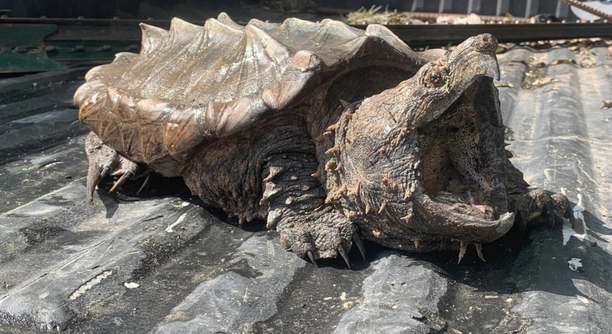
Alligator snapping turtles are fascinating creatures that have captured the curiosity of many. While these turtles are often associated with their unique appearance and powerful bite, some might wonder whether they can produce any sounds.
Alligator snapping turtles are generally quiet and do not make significant vocalizations. However, they may produce sounds in certain circumstances, like when in distress or during mating, but these noises are typically subtle and not commonly heard.
Learning about these turtles’ behavior can offer insight into their unique traits. Understanding their occasional sounds can deepen our appreciation for these ancient reptiles and the ecosystems they inhabit.
What Sounds Can Alligator Snapping Turtles Make?
Alligator snapping turtles are known for their powerful jaws and their stealthy, slow movements. When it comes to sounds, these turtles are relatively quiet animals. They don’t produce loud, noticeable noises like some other animals do. However, they are capable of making sounds under certain conditions. For example, during mating season, some alligator snapping turtles might produce subtle grunts or growls. These sounds are not usually heard by people unless they are very close to the turtles. In times of distress, they may make a slight hissing noise, though this is not common. Alligator snapping turtles do not communicate through vocalizations the way that some other reptiles, like geckos, might. Instead, they rely on body language and movement to interact with their environment.
While sounds are rare for these turtles, they are not completely silent. These noises are more of a reaction to specific situations, such as stress or mating, rather than a form of regular communication.
Despite their silence, alligator snapping turtles are fascinating creatures that still have their unique ways of interacting with their surroundings. Their communication style is more physical than audible, which adds to their mysterious nature.
Why Do Alligator Snapping Turtles Stay Quiet?
Alligator snapping turtles remain mostly silent because they rely on other methods of communication. These turtles are solitary creatures, spending much of their time alone in freshwater environments. When they do interact with others, it’s often more through movements, like head-bobbing or body posture, than through sound. Their quiet demeanor is part of their overall survival strategy. Being quieter can help them avoid attracting predators, and it might allow them to move around without drawing attention. These behaviors are essential in their natural habitats, where stealth is often critical to their safety. Their silence, therefore, is not out of character but is a key part of how they thrive in the wild.
Most of the time, alligator snapping turtles are not social animals. Their need for vocal communication is minimal since they don’t rely on it to catch prey or interact with other turtles. The lack of sound-making is likely a result of their solitary nature, where silence is a preferred method of staying undetected.
It’s important to remember that the alligator snapping turtle’s physical features are built for survival, not socializing. With their camouflaged shell and powerful jaws, these turtles are designed to blend in with their environment, making them quiet, elusive creatures in the wild.
When Do Alligator Snapping Turtles Make Noise?
Alligator snapping turtles make noises during specific situations. The most common times are during mating or when they feel threatened. These sounds, though faint, are enough to communicate stress or attract a mate. They are not frequent and usually only occur in certain conditions.
These turtles might grunt or produce low growls during courtship. The sounds are not loud but serve a purpose in signaling to other turtles nearby. When threatened, they may also make a hissing sound, especially if handled or provoked. However, these sounds are rare, as most of the time, the turtles prefer to remain still and silent. The lack of frequent noise-making contributes to their elusive nature.
The fact that they don’t make constant noise suggests that alligator snapping turtles are not reliant on vocalizations for communication. Instead, they rely more on their movements, behavior, and environment to navigate their interactions. This quietness is one of the many traits that make these turtles unique in the reptile world.
Do Alligator Snapping Turtles Communicate Through Sound?
Alligator snapping turtles do not rely on sound to communicate as some other animals do. They use body language and movement for interaction, primarily because they are solitary animals. Unlike more social creatures, they do not need to vocalize to express themselves.
When they do make noise, it is typically due to stress or mating, which are rare occasions. Their silence is part of their ability to survive in their environment. In fact, alligator snapping turtles are well-adapted to avoiding attention, with their camouflaged shells and slow, deliberate movements.
This preference for silence allows them to remain undetected by both prey and predators. Their quiet behavior is not a sign of lack of communication but instead a strategy for safety. Through their movements and positioning, they convey messages without needing to make noise, allowing them to blend into their surroundings seamlessly.
Can Alligator Snapping Turtles Produce Loud Noises?
Alligator snapping turtles do not produce loud noises. Their sounds are very faint and only occur under specific circumstances, such as during mating or when feeling threatened. Most of the time, they remain completely silent.
Their silence contributes to their ability to avoid predators. By staying quiet, they reduce their chances of being noticed in the wild. The soft noises they make, such as grunts or hisses, are not enough to attract attention. This stealthy behavior helps them remain hidden in their natural environments, blending in with their surroundings.
Do Alligator Snapping Turtles Use Sound to Attract Mates?
Alligator snapping turtles may make sounds during mating, but the noises are not the primary way they attract mates. Their courtship rituals are largely based on physical actions rather than vocalizations. They might grunt or make low growls, but this is rare and not essential for mating.
Instead, these turtles rely on the movement and positioning of their bodies to communicate with potential mates. Their behavior includes slow, deliberate actions that signal interest. Although vocalizations occur occasionally, they are secondary to the turtle’s physical displays and movements that help initiate mating.
Can Alligator Snapping Turtles Make Noises in Captivity?
In captivity, alligator snapping turtles may make occasional sounds. However, these noises are still infrequent and are generally caused by stress or discomfort. A turtle that is not well cared for might hiss or grunt, but it is not typical for them to make noise regularly.
FAQ
Do alligator snapping turtles make sounds when they eat?
Alligator snapping turtles do not typically make sounds while eating. Their feeding process is slow and deliberate, and they tend to be silent while catching prey. These turtles are ambush predators, using their unique tongue lure to attract fish. Since they don’t need to vocalize to hunt, eating is a quiet activity for them.
Are alligator snapping turtles aggressive?
Alligator snapping turtles can be aggressive if they feel threatened, especially when they are disturbed or handled. Their powerful jaws can deliver a painful bite, and they may hiss or snap in defense. However, they are not generally aggressive toward humans unless provoked. In the wild, they tend to avoid confrontation and prefer to stay hidden in their environment.
Do alligator snapping turtles make noises when they’re scared?
Yes, alligator snapping turtles may make a hissing noise when scared or stressed. This sound is produced by air being forced out of their lungs, often as a response to feeling threatened or cornered. The noise is not loud but can indicate that the turtle is frightened or wants to deter a potential threat.
Can alligator snapping turtles communicate with other turtles?
Alligator snapping turtles are solitary animals and do not typically engage in communication with other turtles. They mainly rely on body language for communication. While they may make subtle noises during mating, they do not use sound to interact regularly. Their physical behavior, such as movement and posture, is more important in signaling intentions.
What is the lifespan of an alligator snapping turtle?
Alligator snapping turtles have a long lifespan, often living between 30 to 50 years in the wild, with some even reaching 70 years or more. Their longevity is partly due to their slow growth rate and their ability to avoid predators by staying still and using camouflage. In captivity, with proper care, they can also live a long life.
Do alligator snapping turtles have good eyesight?
Alligator snapping turtles have relatively poor eyesight. They mainly rely on their sense of smell and their ability to detect movement in the water. Their eyes are adapted for seeing in low light, which is helpful since they spend much of their time underwater or in murky water. However, their sense of smell and ability to sense vibrations are more developed than their vision.
How do alligator snapping turtles hunt for food?
Alligator snapping turtles are ambush predators. They use their unique tongue lure, which resembles a worm, to attract fish and other prey. When a fish comes close to investigate, the turtle quickly snaps its powerful jaws shut, catching the prey. This technique is highly effective and requires patience, as the turtle waits for its prey to come close before striking.
Can alligator snapping turtles breathe underwater?
No, alligator snapping turtles cannot breathe underwater for extended periods. Like most turtles, they must come up for air. They are capable of holding their breath for a while, especially when they are resting at the bottom of the water, but they still need to surface regularly to breathe. They can remain submerged for up to 30 minutes or more in some cases, depending on activity and environmental conditions.
Do alligator snapping turtles make noise when they mate?
Yes, alligator snapping turtles can make subtle noises during mating. These noises might include grunting or low growling sounds. However, vocalizations are not a major part of their mating behavior. Instead, mating is usually initiated through physical interactions such as movements or positioning. These sounds are rare and not the primary way the turtles communicate during courtship.
Are alligator snapping turtles good pets?
Alligator snapping turtles can be kept as pets, but they require special care and attention. They need a large, secure enclosure with access to both water and land. They can live for many years, so potential pet owners must be prepared for a long commitment. Also, these turtles can be aggressive and should only be handled by experienced owners who understand their behavior and needs.
Do alligator snapping turtles have any natural predators?
Despite their size and powerful jaws, alligator snapping turtles do have natural predators, especially when they are young. Large birds, such as eagles, and other predators like alligators may pose a threat. Adult alligator snapping turtles are less likely to be preyed upon due to their size and strong defensive mechanisms. However, they still need to be cautious, particularly during the vulnerable early stages of life.
What should you do if an alligator snapping turtle hisses at you?
If an alligator snapping turtle hisses at you, it’s best to give it space and avoid further disturbance. The hissing is a sign that the turtle feels threatened and is trying to ward off potential danger. Do not try to handle or provoke the turtle, as it may bite in defense. Allow it to retreat or stay calm, and it will likely return to its quiet, solitary behavior.
Are alligator snapping turtles endangered?
Yes, alligator snapping turtles are considered vulnerable, and their populations are declining due to habitat loss, over-harvesting, and pollution. Conservation efforts are in place to protect them, including habitat restoration and regulated harvesting. While not yet critically endangered, their numbers are decreasing, and they are a species that requires careful management to ensure their survival.
Final Thoughts
Alligator snapping turtles are fascinating creatures with unique traits that set them apart from other reptiles. While they don’t make loud or frequent noises, they can produce subtle sounds when they feel threatened or during mating. These sounds are not their primary form of communication. Instead, these turtles rely on their movements and behavior to interact with their surroundings, making them masters of stealth. Their ability to remain quiet and blend into their environment helps them avoid predators and remain undetected, which is essential for their survival.
Though these turtles are quiet, their physical features and hunting methods are what truly make them stand out. Using a specialized tongue lure, they attract prey like fish into their mouths, showing how well adapted they are to their environment. This ambush technique means they don’t need to chase after their food, and it allows them to conserve energy. Alligator snapping turtles are not social creatures, preferring solitude over interaction, which also explains their lack of vocalization. Their survival strategy has evolved over time to be mostly solitary, and noise would only draw attention they don’t need.
Alligator snapping turtles are incredible animals, capable of living for decades. They are well adapted to their natural environments, where silence and patience are key to their survival. Whether you’re interested in their behavior, the rare sounds they make, or the way they hunt, there’s much to appreciate about these creatures. While they may not be loud or outgoing, their unique traits and quiet nature contribute to their charm and mystery. Understanding them better allows us to respect and protect these ancient reptiles for future generations.

Hello,
If you enjoy the content that we create, please consider saying a "Thank You!" by leaving a tip.
Every little bit helps us continue crafting quality advice that supports the health, happiness, and well-being of pets around the world, for pets of all shapes, sizes, and species.
We really appreciate the kindness and support that you show us!