
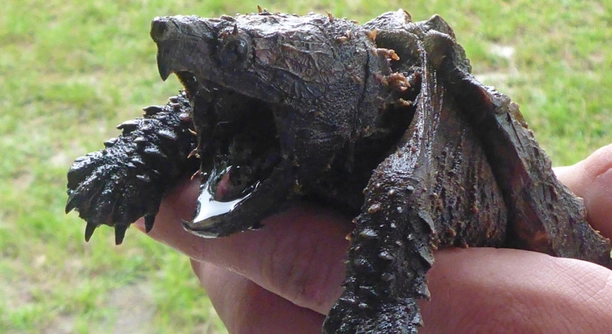
Alligator snapping turtles are fascinating creatures, but like all pets, they can face health challenges. Understanding these common issues is essential for providing them with the care they need to thrive.
Alligator snapping turtles can experience several health problems, including respiratory infections, shell rot, malnutrition, and dehydration. Regular veterinary care, proper tank maintenance, and a balanced diet can help prevent these issues and ensure their well-being.
By recognizing and addressing these common health problems early, you can ensure your alligator snapping turtle remains healthy and happy.
Respiratory Infections in Alligator Snapping Turtles
Respiratory infections are a common issue for alligator snapping turtles. These infections can be caused by poor water quality, sudden temperature changes, or stress. Symptoms often include wheezing, mucus around the nostrils, and labored breathing. If left untreated, respiratory infections can quickly become serious and may lead to more severe health complications. Ensuring that your turtle’s environment remains clean and stable is essential to prevent these infections. A warm, properly regulated tank temperature will also help your turtle’s immune system fight off any potential infections. Regularly monitoring water quality and temperature can help prevent these health issues.
Proper tank maintenance is key. Make sure to clean the tank regularly, checking for any excess waste or debris that could impact water quality. Maintaining a consistent temperature can help reduce stress on your turtle and minimize the risk of respiratory infections.
Additionally, ensure that your alligator snapping turtle has access to clean, freshwater and a suitable basking area to aid in temperature regulation.
Shell Rot
Shell rot is another common health problem in alligator snapping turtles. It occurs when bacteria or fungi infect the shell, causing discoloration, soft spots, or foul odor. The most common causes of shell rot include poor water quality, injury, or excessive humidity. Keeping your turtle’s living environment clean and ensuring that they don’t have injuries can significantly reduce the chances of shell rot.
In severe cases, shell rot can cause permanent damage, which might require professional treatment. Always inspect your turtle’s shell for signs of damage or infection.
Malnutrition in Alligator Snapping Turtles
Malnutrition is a serious concern for alligator snapping turtles, especially if they’re not fed a balanced diet. A lack of essential nutrients like calcium and vitamins can lead to bone problems and weakened immune systems. Regularly offering a variety of foods, including live prey and fresh vegetables, helps meet their dietary needs. It’s important to know the specific requirements of alligator snapping turtles to prevent malnutrition.
Overfeeding or underfeeding can both lead to health problems. To avoid malnutrition, make sure you’re offering an appropriate amount of food based on your turtle’s size and age. This will help maintain a healthy weight and support long-term health.
A diet rich in calcium is crucial for maintaining strong shells and bones. Offering calcium supplements or foods high in calcium can prevent metabolic bone disease. Keep track of your turtle’s eating habits and adjust their diet accordingly.
Dehydration in Alligator Snapping Turtles
Dehydration is a common issue for alligator snapping turtles, especially if their water source is not clean or accessible. Dehydration can lead to lethargy and digestive problems. Ensure that your turtle’s habitat includes a clean water source that they can easily access. This will encourage them to drink enough water daily.
Providing a shallow water area with clean, fresh water is vital. Inadequate water intake can lead to kidney problems and make your turtle more susceptible to infections. Offering a proper aquatic environment helps keep dehydration at bay.
Check the water temperature regularly. If it’s too cold, your turtle may avoid drinking. This can lead to dehydration, so maintaining a consistent temperature is essential for promoting healthy hydration habits.
Eye Infections in Alligator Snapping Turtles
Eye infections can occur in alligator snapping turtles due to poor water quality or injury. If your turtle’s eyes appear cloudy, swollen, or discharge mucus, it may be suffering from an infection. Keeping the water clean and maintaining proper tank conditions can help reduce the risk.
Prompt treatment with veterinary care is necessary to prevent the infection from worsening. Regularly check your turtle’s eyes for any signs of irritation, redness, or swelling. Keeping their environment clean and stress-free will also help prevent eye problems.
Vitamin Deficiency in Alligator Snapping Turtles
Vitamin deficiency is another potential issue for alligator snapping turtles. A lack of essential vitamins, like Vitamin A, can lead to problems with vision, skin health, and overall immune function. It’s important to include a variety of foods in their diet to ensure they get the necessary nutrients.
Offering a mix of vegetables and animal protein can help your turtle receive a balanced intake of vitamins. You can also provide vitamin supplements, but it’s best to consult a vet for proper guidance on supplementation.
Overheating in Alligator Snapping Turtles
Overheating can happen if the basking area is too hot for your turtle. It can cause stress and dehydration, leading to more serious health problems. Keep the basking spot temperature regulated to ensure comfort.
Monitor the temperature of the basking area regularly, and adjust the heat lamp accordingly. Your turtle needs a warm area for proper digestion, but overheating can cause fatigue and dehydration.
FAQ
What is the best water temperature for an alligator snapping turtle?
The ideal water temperature for an alligator snapping turtle is between 75°F and 85°F (24°C to 29°C). Maintaining this range helps ensure proper digestion and overall health. Water that is too cold can cause your turtle to become lethargic, while water that is too hot can stress them out.
A consistent water temperature is important for preventing temperature-related illnesses. Make sure to monitor the water regularly using an aquarium thermometer, and adjust heaters as needed to maintain the ideal range. A water filter is also essential to keep the water clean, which reduces the risk of infections.
How often should I feed my alligator snapping turtle?
Alligator snapping turtles are typically fed every two to three days. As carnivores, they enjoy a varied diet that includes fish, insects, and some vegetables. You can offer them a combination of live prey, such as small fish, worms, and crayfish, along with occasional leafy greens or aquatic plants.
Overfeeding is a concern, as it can lead to obesity and other health issues. Make sure to provide an amount of food that your turtle can consume in one sitting. If any food is left over, remove it to prevent water contamination.
Can alligator snapping turtles eat vegetables?
While alligator snapping turtles primarily eat animal-based food, they can benefit from small amounts of vegetables, such as leafy greens, carrots, or squash. Offering vegetables occasionally can help supplement their diet with necessary vitamins and minerals.
However, vegetables should not make up the majority of their diet. Focus on providing animal protein to ensure they meet their nutritional requirements. If you are unsure about what vegetables to offer, consult with a veterinarian for advice.
How can I tell if my alligator snapping turtle is sick?
Signs that your alligator snapping turtle may be sick include lack of appetite, lethargy, swollen or cloudy eyes, and unusual behavior, such as excessive basking or hiding. If you notice changes in their appearance, such as shell damage, abnormal growth, or skin discoloration, it’s important to consult a vet.
Other signs of illness include abnormal swimming patterns or labored breathing, which could indicate respiratory problems. Early detection is key to ensuring proper treatment and preventing the illness from becoming more severe.
What type of tank is best for an alligator snapping turtle?
An alligator snapping turtle requires a large tank to thrive, with a minimum of 75 to 100 gallons for an adult turtle. The tank should have both a swimming area and a dry basking area where the turtle can rest and regulate its body temperature.
A sturdy, secure lid is important to prevent escape, as these turtles are strong swimmers and can climb. It’s also crucial to have a good filtration system to maintain clean water and prevent bacterial growth. Ensure the tank has a strong UVB light to provide the necessary warmth and light for your turtle’s health.
Can alligator snapping turtles live with other turtles?
Alligator snapping turtles are solitary animals and are typically best kept alone. They can become territorial and aggressive, especially toward other turtles. Introducing them to another turtle can lead to fights and stress.
If you choose to house multiple turtles together, make sure the tank is large enough to give each turtle its own space. Even then, it’s important to monitor their interactions closely. It’s often safer to keep them separate to prevent injuries and maintain a peaceful environment.
How can I prevent shell rot in my alligator snapping turtle?
To prevent shell rot, maintain proper tank hygiene by cleaning the tank regularly and changing the water frequently. Shell rot is often caused by bacteria that thrive in dirty, stagnant water, so it’s essential to avoid these conditions.
Also, avoid any sharp objects or rough surfaces that could cause cuts or abrasions to the turtle’s shell. Ensure your turtle has a basking area where it can dry off completely, as moisture accumulation can contribute to shell rot.
What should I do if my alligator snapping turtle is not eating?
If your alligator snapping turtle isn’t eating, check its environment first. Ensure the water temperature is correct, the water is clean, and the tank is free of stressors. Changes in temperature, water quality, or lighting can affect their appetite.
Stress from handling or being housed with other aggressive turtles can also cause a lack of appetite. If the turtle continues to refuse food, it’s best to consult a veterinarian to rule out any health problems such as parasites or infections.
How do I properly clean my alligator snapping turtle’s tank?
To clean the tank, remove the turtle and place it in a safe, temporary enclosure. Clean the substrate by removing any debris and waste. You can use a siphon or gravel vacuum to remove waste from the bottom of the tank.
Clean the tank walls, filter, and decorations with water and a gentle, non-toxic cleaner. Be sure to rinse everything thoroughly before placing it back into the tank. Regular cleaning helps maintain water quality, preventing bacteria growth and ensuring the health of your turtle.
How long do alligator snapping turtles live?
Alligator snapping turtles can live for 30 to 50 years in captivity with proper care. Their long lifespan is a result of a stable environment, good nutrition, and proper medical attention. In the wild, they may live slightly shorter lives due to predation and environmental factors.
If you’re considering keeping an alligator snapping turtle, be prepared for a long-term commitment. Regular care and maintenance can help ensure that your turtle enjoys a healthy, long life in your care.
Final Thoughts
Caring for an alligator snapping turtle requires attention to detail and a commitment to their well-being. They are fascinating creatures with specific needs when it comes to their diet, habitat, and overall care. By providing them with a clean, spacious environment, a proper diet, and regular health checks, you can ensure they thrive in captivity. Consistency is key to maintaining a healthy turtle, and the effort you put into their care will pay off in their long lifespan and overall happiness.
It’s important to remember that these turtles are wild animals, and their needs must be respected and met as closely as possible. From the water temperature to the type of food offered, all factors play a role in their health. While they are resilient creatures, they can easily fall ill if their environment isn’t properly managed. Taking the time to learn about their habits and adjusting their care as needed is essential to prevent common health issues such as eye infections, shell rot, or vitamin deficiencies.
Overall, alligator snapping turtles make unique and rewarding pets, but they come with a responsibility. With proper care and attention, these turtles can live long, healthy lives. Ensuring their environment stays clean, their diet remains varied and nutritious, and their health is closely monitored will help prevent potential issues. If you’re prepared to give them the care they need, you’ll enjoy the satisfaction of watching them grow and thrive. It’s a rewarding experience that requires patience and dedication but ultimately brings the joy of caring for a fascinating creature.

Hello,
If you enjoy the content that we create, please consider saying a "Thank You!" by leaving a tip.
Every little bit helps us continue crafting quality advice that supports the health, happiness, and well-being of pets around the world, for pets of all shapes, sizes, and species.
We really appreciate the kindness and support that you show us!