
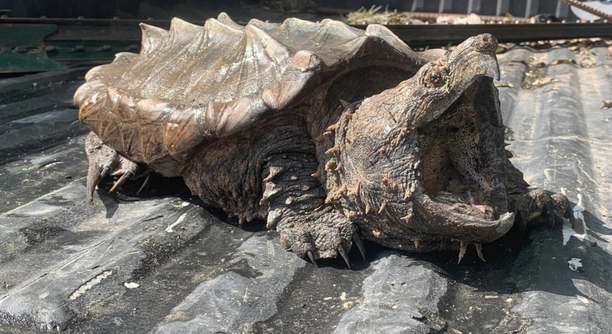
Are you considering an albino alligator snapping turtle as a pet? These rare turtles require specific care to thrive in captivity. Understanding their needs will help you provide the best environment, diet, and maintenance for a healthy and happy turtle.
Albino alligator snapping turtles need a large aquatic habitat, proper filtration, and a balanced diet of protein and vegetation. Maintaining warm water temperatures, UVB lighting, and a stable environment is essential for their growth, shell health, and overall well-being in captivity.
Providing the right care will ensure your turtle remains healthy and active. Learning about habitat setup, feeding routines, and health considerations will make caring for this unique reptile much easier.
Setting Up the Perfect Habitat
Albino alligator snapping turtles need a spacious tank with clean, well-filtered water. A minimum of 75 gallons is recommended for juveniles, while adults require larger enclosures. A strong filtration system helps maintain water quality, preventing shell and skin issues. Use a water heater to keep temperatures between 75°F and 80°F, as colder water can slow their metabolism. A basking area with a UVB light is essential for proper shell development and calcium absorption. Hiding spots, such as logs or caves, help reduce stress and provide security. Regular water changes keep the environment stable and healthy.
Creating a balanced habitat ensures your turtle stays comfortable and stress-free. Clean water, proper heating, and adequate lighting play a major role in their overall well-being. A well-maintained tank mimics their natural environment, promoting healthy growth and activity levels.
Paying attention to water conditions, lighting, and temperature control will prevent common health issues. Providing a spacious and enriched habitat helps keep your turtle active, reducing stress-related behaviors. Ensuring all elements are properly set up will make care much easier in the long run.
Feeding and Nutrition
Albino alligator snapping turtles need a protein-rich diet with occasional plant matter. Their meals should include fish, shrimp, insects, and high-quality turtle pellets. Occasional fruits and vegetables provide additional nutrients, supporting overall health.
A balanced diet ensures your turtle receives essential vitamins and minerals. Young turtles require frequent feeding, around four to five times a week, while adults eat less often. Avoid overfeeding, as excess food can lead to obesity and water contamination. Variety is key, so rotating different protein sources helps prevent nutritional deficiencies. Calcium supplements support strong shell growth, especially when paired with proper UVB lighting. Always remove uneaten food to maintain water quality.
Monitoring feeding habits can help you detect any health concerns early. If your turtle refuses food or shows signs of lethargy, check water conditions and adjust its diet. Proper nutrition plays a major role in keeping your turtle strong and active.
Tank Maintenance and Water Quality
Regular tank maintenance keeps your albino alligator snapping turtle healthy. Perform partial water changes every week to remove waste buildup and maintain water quality. A high-powered filter is essential for handling the turtle’s waste and preventing harmful bacteria from affecting its health.
Water temperature should remain between 75°F and 80°F, with pH levels between 6.5 and 7.5. Using a water conditioner removes chlorine and harmful chemicals from tap water. Test water parameters weekly to ensure a stable environment. Clean the filter regularly to prevent blockages and maintain strong water circulation. A dirty tank can cause infections and shell rot.
A substrate-free or minimal-substrate setup makes cleaning easier. If using gravel or sand, choose larger pieces to prevent accidental ingestion. Regularly scrub the tank walls and basking area to prevent algae buildup. Keeping a clean habitat reduces stress and promotes better overall health.
Handling and Interaction
Albino alligator snapping turtles are not social pets and prefer minimal handling. They have powerful jaws and may bite if they feel threatened. When necessary, handle them gently but firmly, supporting their body to avoid stress or injury. Limiting interactions helps keep them comfortable and reduces unnecessary stress.
Observing your turtle from a distance allows you to monitor its behavior without causing anxiety. If handling is required for tank maintenance or health checks, do so briefly and return them to their habitat quickly. Never grab them by their tail, as this can cause spinal injuries. Providing a well-maintained environment helps reduce the need for handling.
These turtles recognize feeding routines and may become more responsive to their owner’s presence over time. Keeping interactions consistent but limited prevents defensive behavior. Understanding their natural instincts will help you respect their space while ensuring their health and safety in captivity.
Common Health Issues
Shell rot is a common issue caused by poor water quality and bacterial infections. Soft or discolored patches on the shell indicate a problem. Regular tank cleaning and proper UVB lighting help prevent this condition. Treat minor cases with antiseptic solutions and consult a reptile veterinarian for severe infections.
Respiratory infections occur when temperatures drop too low or humidity levels are too high. Symptoms include wheezing, lethargy, and lack of appetite. Keeping the water temperature stable and providing a warm basking area prevents illness. If symptoms persist, a veterinarian can prescribe antibiotics to help your turtle recover.
Lifespan and Growth
Albino alligator snapping turtles grow slowly but can reach over 100 pounds in adulthood. A spacious habitat is necessary to accommodate their increasing size. With proper care, these turtles can live for 70 to 100 years, making them a long-term commitment requiring responsible ownership and planning.
Signs of Stress
Unusual hiding, lack of appetite, or excessive aggression can indicate stress. Poor water conditions, overcrowding, or frequent handling may cause discomfort. Adjusting the habitat, reducing disturbances, and monitoring behavior can help your turtle feel more secure and comfortable in its environment.
FAQ
How often should I feed my albino alligator snapping turtle?
Young albino alligator snapping turtles should be fed more often than adults, around four to five times a week. As they grow, you can reduce feeding to about two to three times a week. Offering a variety of proteins such as fish, shrimp, and high-quality pellets helps meet their nutritional needs. Occasionally, you can add leafy greens or fruits. Always remove uneaten food to prevent water contamination and ensure a clean habitat.
What size tank does an albino alligator snapping turtle need?
A juvenile albino alligator snapping turtle requires a tank of at least 75 gallons, while an adult will need 150 gallons or more. These turtles are large, and as they grow, they need more space to roam. A larger tank also helps maintain stable water conditions, which is important for their health. A spacious tank allows for proper filtration and provides the turtle with enough room to move, swim, and bask.
Can albino alligator snapping turtles live with other animals?
Albino alligator snapping turtles are solitary creatures and prefer to live alone. They have strong jaws and may see smaller tank mates as prey. Even with other turtles, they can become aggressive, especially during feeding times. It’s best to keep them in a separate tank unless you have experience managing tank mates with similar temperaments. Avoid placing them with smaller fish or amphibians that may be harmed.
Do albino alligator snapping turtles need UVB lighting?
Yes, UVB lighting is essential for albino alligator snapping turtles. UVB light helps them synthesize vitamin D3, which is necessary for calcium absorption and strong shell development. A UVB bulb should be placed over the basking area to ensure proper exposure. It’s important to replace the bulb every six months to maintain its effectiveness. Without proper UVB exposure, these turtles are at risk of developing shell deformities or other health issues.
How can I tell if my turtle is sick?
Signs of illness in an albino alligator snapping turtle include loss of appetite, lethargy, swollen eyes, and abnormal behavior like excessive hiding or aggression. If you notice these symptoms, check the water conditions first. Poor water quality, incorrect temperatures, or poor lighting can cause stress or illness. If the symptoms persist, it’s best to consult a reptile veterinarian for proper diagnosis and treatment.
What is the ideal water temperature for an albino alligator snapping turtle?
The water temperature for an albino alligator snapping turtle should be between 75°F and 80°F. Too cold of water can slow down their metabolism, making them less active and more prone to illness. A submersible water heater can help maintain the correct temperature. Ensure the basking area is warm, with temperatures between 85°F and 90°F, as they need both a warm aquatic and basking environment to thrive.
How often should I change the water in the tank?
To keep the habitat healthy, change 25-50% of the water in the tank every week. This prevents the buildup of waste and harmful chemicals. Use a high-quality filter to maintain clean water in between changes. Regular water changes are vital for preventing bacterial growth and maintaining optimal water parameters, such as pH and hardness, which are crucial for your turtle’s health.
Can albino alligator snapping turtles be kept outdoors?
Yes, albino alligator snapping turtles can be kept outdoors in warm climates, but they need a large, secure pond or enclosure. Ensure the pond has clean water, proper filtration, and a safe basking area with access to UVB light. Outdoor enclosures should be escape-proof and protected from predators. If you live in a cooler climate, it’s best to house the turtle indoors during the winter months to avoid temperature drops that could harm its health.
How long do albino alligator snapping turtles live?
Albino alligator snapping turtles can live up to 70-100 years with proper care. They grow slowly, and their long lifespan means they are a long-term commitment. Regular tank maintenance, proper feeding, and a stress-free environment can help extend their life expectancy. Caring for these turtles requires patience and consistent effort to ensure they stay healthy throughout their lives.
What type of substrate should I use in the tank?
Albino alligator snapping turtles do well in tanks with minimal or no substrate. A bare-bottom tank is easiest to clean and helps prevent accidental ingestion of substrate, which could cause digestive issues. If you choose to use substrate, larger gravel or smooth river rocks are better than sand, as small grains of sand can be ingested. A clean tank is key to maintaining healthy water conditions.
Final Thoughts
Caring for an albino alligator snapping turtle can be a rewarding experience, but it comes with responsibilities. These turtles are long-lived, slow-growing, and need special care to thrive. Their tank must be large enough to support their size, and water quality should be kept at optimal levels. Regular tank cleaning and water changes are essential to prevent disease and maintain a healthy environment. UVB lighting and appropriate temperatures are also crucial for their overall well-being.
While they can make interesting pets, albino alligator snapping turtles are not ideal for beginners. Their care requirements are specific, and they can grow quite large, making it necessary to invest in a larger tank or even an outdoor pond as they mature. If you’re committed to caring for them, it’s important to provide them with enough space, food, and proper habitat conditions. A spacious tank with a basking area is essential, as well as a proper filtration system to keep the water clean.
Overall, albino alligator snapping turtles are fascinating creatures, but they require careful attention to detail. Before getting one, consider the long-term commitment they demand. Their care can be demanding, but with the right setup, they can live for decades, offering their owners many years of enjoyment. Make sure to research and understand their needs fully, and you’ll be better prepared to care for them for years to come.

Hello,
If you enjoy the content that we create, please consider saying a "Thank You!" by leaving a tip.
Every little bit helps us continue crafting quality advice that supports the health, happiness, and well-being of pets around the world, for pets of all shapes, sizes, and species.
We really appreciate the kindness and support that you show us!