
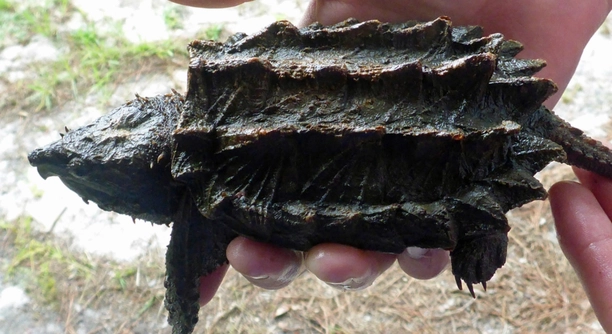
An alligator snapping turtle not eating can be concerning for any pet owner. There are several reasons why your turtle may be avoiding food, from environmental factors to health issues. Understanding these causes can help you resolve the problem quickly.
The main reason your alligator snapping turtle is not eating may be linked to stress, poor water quality, or an incorrect diet. Temperature fluctuations and changes in their environment can also lead to a lack of appetite.
Many factors contribute to a turtle’s refusal to eat, but knowing the signs and solutions can help you get your turtle eating again. We’ll break down what might be happening and what you can do about it.
Stress and Environmental Factors
Stress is a common reason why your alligator snapping turtle may not be eating. These turtles are sensitive to changes in their environment. If their tank is too noisy, overcrowded, or too small, they may feel threatened or unsettled. Sudden changes in lighting, noise levels, or even the introduction of new animals can cause stress. This anxiety can lead to a complete lack of appetite. It’s important to maintain a calm and consistent environment to keep your turtle comfortable and healthy.
The environment plays a big role in your turtle’s behavior. If there are significant changes, like moving to a new tank or rearranging their habitat, this can make them hesitant to eat. It’s best to keep their surroundings stable and quiet.
A calm and peaceful environment is crucial for your turtle’s wellbeing. If you’ve recently moved their tank or made other changes, it’s worth waiting and giving them time to adjust. You may find that after a few days, your turtle will begin eating again once they feel more comfortable.
Poor Water Quality
If the water in your turtle’s tank is not clean, it could discourage them from eating. Snapping turtles are highly sensitive to water quality. Poor water conditions can lead to a variety of health issues, including digestive problems, which can cause a lack of appetite. To keep your turtle happy and healthy, ensure the water is clear, filtered, and at the correct temperature.
Poor water quality affects a turtle’s overall health. Contaminated water or incorrect pH levels can result in stress and even illness, which reduces their desire to eat. Regular tank maintenance is essential to keep your turtle thriving.
Make sure to regularly clean your turtle’s tank, change the water, and check for proper filtration. This not only helps with eating but also promotes general health and reduces the risk of waterborne illnesses. Keeping the water clean and balanced will encourage your alligator snapping turtle to return to normal eating habits.
Temperature Fluctuations
Temperature is crucial for your alligator snapping turtle’s digestion and appetite. If the water temperature is too low or too high, your turtle may lose its interest in food. Turtles rely on the right temperature to regulate their metabolism, so any drastic temperature changes can cause them to stop eating.
Ensure the water is kept at a consistent and proper temperature, usually between 72°F and 78°F. A thermometer will help you monitor the temperature, and a reliable heater can keep things stable. Avoid sudden changes, as this can stress the turtle.
If your turtle is refusing food and the water temperature seems off, try adjusting it gradually. Rapid changes can worsen the issue. Providing a stable environment is essential for encouraging normal eating behavior. Your turtle will be more likely to eat once the temperature is in its optimal range.
Illness or Injury
If your turtle is sick or injured, it may refuse to eat. Illnesses, infections, or injuries can make them feel weak, causing them to lose their appetite. Look for signs like swelling, unusual lethargy, or difficulty moving, as these can indicate health problems.
A lack of appetite often follows other symptoms like sluggishness or a change in behavior. If your turtle shows any of these signs, it’s essential to consult a veterinarian who specializes in reptiles. They can diagnose the problem and recommend the best course of action.
A turtle in pain or distress may stop eating altogether. In addition to providing the proper habitat, make sure your turtle is free from illness or injury. If you notice any changes in behavior, take quick action to ensure your turtle gets the care it needs.
Diet Issues
Your alligator snapping turtle may refuse food if it’s not getting the right kind of diet. They are carnivores and need a protein-rich diet, such as fish, insects, and small crustaceans. If their food is too soft or not appealing, they may not eat.
Offering the wrong type of food can cause them to lose interest in eating. Ensure you’re providing a variety of suitable foods that mimic their natural diet. Consider mixing in some live food to spark their hunting instincts.
A balanced diet is essential for your turtle’s health. If you’re unsure of the right food, consult with a reptile expert to make sure your turtle is eating what it needs for proper nutrition.
Mating Behavior
If your alligator snapping turtle is not eating, it could be related to mating behavior. During mating season, turtles tend to eat less or stop eating altogether as they focus more on reproduction.
Turtles have a natural instinct to fast during the breeding season. This behavior can be more pronounced in adult turtles. While it might seem concerning, it’s generally a temporary phase.
If your turtle is not eating and you suspect it’s related to mating behavior, don’t panic. Monitor its health, and keep the environment stable. Once the mating period is over, eating habits should return to normal.
FAQ
Why is my alligator snapping turtle not eating?
There are several reasons your alligator snapping turtle may not be eating. The most common factors include stress, poor water quality, incorrect temperature, illness or injury, and even diet issues. These turtles are very sensitive to changes in their environment, so any disturbances can affect their appetite. Make sure their tank is clean, the water temperature is stable, and they have the right type of food to eat. If the problem persists, a visit to a reptile vet might be necessary.
How do I know if my turtle is sick?
If your turtle is sick, you may notice changes in behavior. It could become lethargic, stop eating, or have trouble swimming. Symptoms of illness can also include swelling, discharge from the eyes or nose, and abnormal shell appearance. Look out for any signs of injury as well, such as cuts or missing pieces of the shell. If your turtle is showing these symptoms, it’s best to get it checked by a vet who specializes in reptiles.
Can the water quality affect my turtle’s eating habits?
Yes, poor water quality can significantly impact your turtle’s eating habits. Dirty or contaminated water can stress your turtle, making it reluctant to eat. Bacteria, ammonia, and high levels of nitrates in the water can all be harmful. To ensure the water is clean, you should have a good filtration system in place and change the water regularly. Test the water’s pH, ammonia, nitrites, and nitrates to make sure they are within the safe range for your turtle.
What temperature should the water be for my alligator snapping turtle?
The ideal water temperature for an alligator snapping turtle is between 72°F and 78°F. If the water is too cold, your turtle may become sluggish and lose its appetite. On the other hand, water that’s too hot can lead to stress and discomfort. It’s important to keep the water temperature stable. A good aquarium heater and thermometer will help you maintain the right temperature.
Can I feed my turtle too much?
Yes, it’s possible to overfeed your turtle, though it’s more common for turtles to eat too little than too much. Overfeeding can lead to obesity, digestive problems, and a decrease in appetite. Only feed your turtle as much as it can eat in about 15-20 minutes. Remove any uneaten food to prevent it from polluting the water.
How often should I feed my alligator snapping turtle?
Adult alligator snapping turtles should be fed every other day or 2-3 times a week. Younger turtles, however, need more frequent feedings, usually every day. Their diet should consist of protein-rich foods such as fish, worms, and insects. It’s important not to overfeed, as this can lead to health issues. Always monitor your turtle’s weight and adjust the feeding schedule accordingly.
Can my turtle’s refusal to eat be due to stress?
Yes, stress is a major factor that can cause your turtle to stop eating. Stress can result from a variety of factors such as overcrowding, noise, changes in their environment, or even the presence of other animals. If your turtle is not eating and is showing signs of stress, try to provide a more peaceful and stable environment. Minimize loud noises and avoid moving their tank around too much.
What should I do if my alligator snapping turtle isn’t eating for an extended period?
If your turtle refuses food for several days or weeks, it’s important to take action. First, ensure their habitat is in optimal condition with clean water, proper temperature, and appropriate lighting. If there are no signs of improvement, check for any health issues such as an injury or infection. Consult a veterinarian who specializes in reptiles if the issue persists.
Can the type of food I offer affect my turtle’s appetite?
Absolutely. Alligator snapping turtles are carnivores and need a diet rich in protein. If they’re not eating, it may be because the food you’re offering isn’t appealing to them. Try offering a variety of live or frozen foods such as fish, worms, and small aquatic creatures. Ensure that the food is the right size for your turtle, as too large or too small pieces can discourage feeding.
Is it normal for my alligator snapping turtle to stop eating during mating season?
Yes, it is normal for some alligator snapping turtles to reduce or stop eating during mating season. During this time, they focus on reproduction, and their appetite may decrease. This behavior can last for a few weeks, but once mating season is over, their eating habits should return to normal. If your turtle is not eating for an extended period, it’s a good idea to check for other underlying health problems.
Can my alligator snapping turtle stop eating due to old age?
Older turtles can sometimes eat less due to age-related factors. As turtles age, their metabolism slows down, which may result in a decreased appetite. However, a sudden loss of appetite in an older turtle could also signal health problems. Make sure their living conditions are ideal and monitor their health closely. If the lack of eating persists, consult a vet.
What are some signs that my turtle’s environment is causing the problem?
If your turtle isn’t eating, it’s important to evaluate its environment. Look for any sudden changes such as a tank relocation, the introduction of new animals, or a noisy setting. Additionally, if your turtle is spending too much time hiding, it may be due to stress from poor water conditions or habitat disruption. Make sure your turtle has a quiet, clean environment with proper water quality and temperature.
When your alligator snapping turtle isn’t eating, it can be frustrating and concerning. However, there are a variety of factors that could be causing this behavior. From stress and environmental changes to issues with water quality or temperature, many elements can affect your turtle’s appetite. It’s important to consider all these factors when determining the cause of the issue. Understanding how sensitive these creatures are to their surroundings will help you address the problem more effectively.
One of the first things you should check is the water quality and temperature. Turtles rely on clean, well-maintained water to stay healthy. If the water isn’t filtered properly or the temperature is off, it can cause stress and discourage eating. Make sure you have a good filtration system in place and regularly test the water to ensure it’s within the correct pH range. Similarly, a stable water temperature is essential. If it’s too cold or too warm, it can lead to lethargy or a loss of appetite. Once you’ve addressed any environmental issues, your turtle will likely feel more comfortable and resume eating.
If environmental factors are not the issue, consider whether your turtle may be sick or injured. Illnesses can lead to a lack of appetite, and identifying symptoms like lethargy, unusual behavior, or physical changes can help you pinpoint the problem. It’s always a good idea to visit a reptile vet if you suspect your turtle may be ill. Additionally, ensure that your turtle is eating the right kind of food. Alligator snapping turtles are carnivores and require a diet rich in protein. Offering a variety of appropriate food options can encourage eating. In the end, addressing environmental factors, checking for health problems, and ensuring a balanced diet are key steps to getting your turtle back to eating regularly.

Hello,
If you enjoy the content that we create, please consider saying a "Thank You!" by leaving a tip.
Every little bit helps us continue crafting quality advice that supports the health, happiness, and well-being of pets around the world, for pets of all shapes, sizes, and species.
We really appreciate the kindness and support that you show us!