
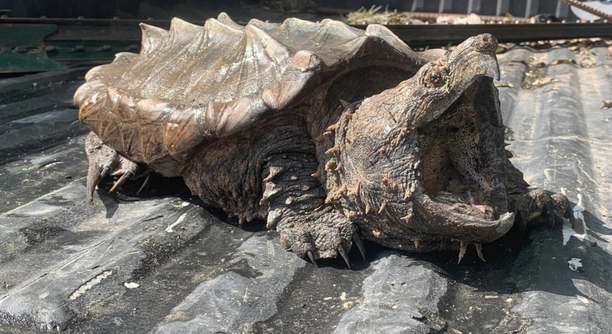
Creating the ideal tank for an alligator snapping turtle requires attention to its specific needs. The tank must replicate a natural environment to ensure its health and well-being. Proper setup can make all the difference in providing a comfortable space for your pet.
To create the perfect alligator snapping turtle tank, provide a spacious aquarium with both water and land areas. Ensure the water is clean and appropriately heated, and use a filtration system to maintain water quality. Add hiding spots and appropriate lighting.
Setting up the right environment will help maintain your turtle’s health and happiness.
Choosing the Right Tank Size
When setting up an alligator snapping turtle tank, size matters. These turtles can grow quite large, so it’s essential to have enough space for them to swim and explore. A tank of at least 75 gallons is recommended for an adult turtle. Larger tanks are better, as they give the turtle more room to move around and reduce stress. The water depth should be at least 12 inches to allow the turtle to submerge comfortably. Avoid overcrowding the tank with decorations or plants that could take up too much space, as your turtle needs room to thrive.
A proper tank size ensures your turtle’s comfort and health.
A larger tank will make it easier to manage water quality, as a bigger volume of water can dilute waste. With sufficient space, you reduce the risk of stress, which can lead to health problems. Choose a tank that provides plenty of swimming area and access to dry land for basking.
Providing Proper Filtration
Water quality is crucial for alligator snapping turtles, so a high-quality filtration system is essential. A good filter keeps the water clean, clear, and free from harmful toxins that can build up. Since turtles are messy creatures, it’s important to choose a filter rated for a larger tank than you have. This ensures the filter can handle the amount of waste your turtle produces. Regular water changes are still necessary, but a reliable filtration system helps to maintain a healthier environment with less effort.
Investing in an effective filter is key for the turtle’s health.
A filter with both mechanical and biological filtration will remove debris and help break down harmful waste in the water. Regular maintenance is important to keep the filter functioning correctly. Be sure to check the filter’s capacity and ensure it’s strong enough to handle the water volume in your tank.
Substrate Selection
For an alligator snapping turtle tank, choose a substrate that won’t harm the turtle. Gravel or river rock is ideal, as it’s easy to clean and won’t get ingested. Avoid using sharp rocks or sand, as they could injure your turtle or cause digestive issues.
A soft substrate that’s easy to clean is important for both the turtle’s health and the tank’s maintenance. If using gravel, ensure it’s large enough to prevent the turtle from accidentally swallowing it. A clean tank prevents bacterial growth, so be sure to vacuum the substrate regularly.
Consider adding a layer of large stones or pebbles for added texture and hiding places. Be mindful of the type of substrate you choose, as the wrong material can create difficulties when cleaning or result in accidental ingestion. The right substrate helps maintain water quality and gives your turtle a comfortable environment to thrive in.
Temperature and Heating
Alligator snapping turtles need a consistent water temperature to stay healthy. The water should be kept between 75-80°F. Invest in a good aquarium heater to maintain this temperature, as fluctuations can cause stress and weaken the turtle’s immune system.
Heating is essential for your turtle’s well-being. A reliable submersible heater will keep the water at the proper temperature. Be sure to monitor the water regularly to ensure it stays within the recommended range. Sudden changes can affect your turtle’s activity levels and appetite, so maintaining consistency is key.
Proper heating is also vital for digestion. Warmer water helps with the breakdown of food and keeps your turtle active. A thermometer placed in the tank ensures that the temperature remains steady. Investing in high-quality heating equipment pays off in the long run, ensuring a stable and healthy environment for your turtle.
Lighting Setup
Alligator snapping turtles require adequate lighting to regulate their sleep-wake cycle and promote overall health. UVB lighting is essential to ensure proper calcium metabolism. Provide 10-12 hours of light each day to simulate natural day-night cycles.
UVB lighting also helps prevent metabolic bone disease. Turtles need exposure to UVB rays to process calcium, which is crucial for their shell and bone health. Position the light over the basking area, and make sure it’s replaced every 6-12 months as UVB output decreases over time.
Basking Area
Turtles need a dry basking spot to regulate their body temperature and absorb UVB rays. Use a sturdy platform or driftwood to create a secure area for your turtle to climb out of the water.
Ensure the basking area is positioned under the UVB light to provide heat and light exposure. The area should be easy for the turtle to access and not too high, preventing stress. Regularly clean the basking area to keep it dry and free from algae buildup.
FAQ
How often should I clean my alligator snapping turtle tank?
You should clean your turtle’s tank regularly to maintain water quality. Perform partial water changes every week, removing 20-30% of the water. Clean the substrate and decorations at least once a month to prevent waste buildup. If you notice the water looking cloudy or dirty between cleanings, it may be time to clean sooner. A clean tank promotes a healthier environment and reduces the risk of bacteria or algae growth, which can harm your turtle.
What type of food should I feed my alligator snapping turtle?
Alligator snapping turtles are omnivores. Their diet includes a mix of animal protein and plant material. You can feed them fish, shrimp, crickets, and earthworms, along with vegetables like leafy greens, carrots, and squash. Be sure to vary their diet to ensure they receive all necessary nutrients. Commercial turtle pellets can also be used but should not be the primary food source. Always provide fresh, clean water for hydration, and remove any uneaten food to maintain water quality.
Can I have more than one alligator snapping turtle in a tank?
It’s not recommended to keep multiple alligator snapping turtles in the same tank unless it’s large enough to allow for plenty of space. These turtles can become territorial, and conflict between them can lead to injury. If you decide to house more than one, ensure there are multiple basking areas and enough space for each turtle to establish its own territory. It’s important to monitor them closely for signs of aggression, such as biting or chasing.
How do I tell if my alligator snapping turtle is sick?
Signs of illness in an alligator snapping turtle can include loss of appetite, lethargy, irregular swimming, or abnormal shell growth. If the turtle’s eyes are swollen or discharge is present, it may be a sign of respiratory or eye infections. Pay attention to changes in behavior, such as hiding more than usual or having difficulty breathing. Any unusual symptoms should prompt a visit to a veterinarian who specializes in reptiles for proper diagnosis and treatment.
What is the best temperature for an alligator snapping turtle?
Alligator snapping turtles thrive in water temperatures between 75°F and 80°F. It’s important to maintain a consistent temperature, as fluctuations can stress the turtle. The basking area should be slightly warmer, ideally around 85°F to 90°F. A thermometer in the tank will help you monitor the water temperature, and a reliable heater will ensure it stays within the optimal range. Proper temperature control is essential for their health, digestion, and overall well-being.
How can I ensure my alligator snapping turtle gets enough UVB light?
To ensure your turtle gets adequate UVB exposure, use a UVB light that spans the length of the basking area. Position the light so that it is within 6-12 inches of the turtle’s basking spot, but not too close to cause discomfort. UVB lights should be replaced every 6-12 months, as their effectiveness diminishes over time. A timer can help maintain a consistent light cycle of 10-12 hours of light each day. This exposure is crucial for their calcium metabolism and helps prevent metabolic bone disease.
How long do alligator snapping turtles live?
Alligator snapping turtles can live for 30 to 50 years or longer in captivity when properly cared for. Their lifespan is highly influenced by their environment and the quality of care they receive. A well-maintained tank with the right temperature, food, and water quality can significantly improve their chances of a long, healthy life. Providing proper lighting, heating, and filtration will also contribute to their overall well-being and longevity.
Do alligator snapping turtles need a specific substrate?
Yes, alligator snapping turtles need a suitable substrate for their tank. Use large river rocks, smooth gravel, or sand that is too large to ingest. Avoid fine gravel or small rocks, as the turtle may accidentally swallow them, leading to digestive problems. A substrate that is easy to clean will help maintain water quality, and it’s important to vacuum the substrate regularly to prevent waste buildup. Make sure the substrate is not too deep, as it can complicate cleaning and cause health issues.
Can I add plants to my alligator snapping turtle tank?
You can add live plants to your turtle’s tank, but it’s important to choose varieties that can withstand the turtle’s environment. Alligator snapping turtles may nibble on plants, so it’s best to go with hardy types like anubias, java fern, or hornwort. Live plants help to maintain water quality by absorbing excess nutrients, but be prepared to replace them if your turtle damages them. Floating plants can also provide extra hiding spaces for your turtle, contributing to a more natural environment.
Why is my alligator snapping turtle’s shell soft?
A soft shell in an alligator snapping turtle is often a sign of poor nutrition, specifically a lack of calcium. This can also be caused by insufficient UVB exposure, which helps turtles process calcium from their diet. To correct this, ensure your turtle has access to proper lighting and a balanced diet that includes calcium-rich foods. Calcium supplements can also be added to their food if necessary. A soft shell should be addressed promptly, as it can lead to further health complications if left untreated.
Final Thoughts
Setting up a proper habitat for your alligator snapping turtle is crucial for its health and well-being. These turtles have specific needs when it comes to their environment, including water quality, temperature, lighting, and diet. Providing a suitable tank setup ensures that your turtle can thrive and live a long, healthy life. By addressing their habitat requirements and maintaining consistency, you create an environment that closely mimics their natural surroundings.
One of the most important aspects of caring for an alligator snapping turtle is water quality. Turtles spend a significant amount of time in the water, and it must be kept clean and at the right temperature. Regular water changes, proper filtration, and careful monitoring of water conditions will help prevent diseases and keep your turtle comfortable. Along with clean water, providing the right basking area with UVB lighting will promote good health, digestion, and bone development. The right lighting ensures that your turtle can process the calcium it needs to maintain a strong shell.
Diet also plays a major role in the health of your turtle. A balanced diet of animal protein and plant matter is essential. Offering a variety of foods, such as fish, shrimp, and leafy vegetables, will ensure that your turtle receives the nutrients it needs. Along with proper food, calcium supplements can be added to their diet if necessary. Overall, paying attention to their environment, diet, and health will help your alligator snapping turtle live comfortably in captivity. Taking time to monitor your turtle’s behavior and health ensures that it remains happy and active.

Hello,
If you enjoy the content that we create, please consider saying a "Thank You!" by leaving a tip.
Every little bit helps us continue crafting quality advice that supports the health, happiness, and well-being of pets around the world, for pets of all shapes, sizes, and species.
We really appreciate the kindness and support that you show us!