
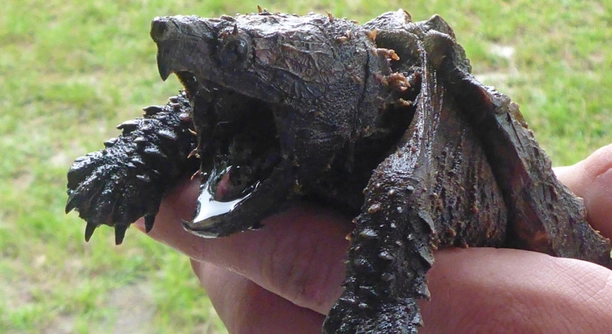
Alligator snapping turtles are known for their unique features and intriguing behaviors. One of their most interesting habits is their egg-laying process. Understanding when and how often they lay eggs can provide insights into their life cycle and reproductive patterns.
Alligator snapping turtles typically lay eggs once a year, usually during the late spring or early summer months. Females deposit between 10 and 50 eggs in shallow nests on land, and the eggs hatch after about 100 to 140 days.
The timing and frequency of egg-laying are crucial for understanding these turtles’ reproductive habits. These details contribute to their survival and ensure the continuation of the species.
Egg-Laying Process of Alligator Snapping Turtles
Alligator snapping turtles are known for their slow movements, but when it comes to laying eggs, they follow a clear process. After mating, the female looks for a safe, quiet spot to dig a shallow nest. This is typically done in late spring or early summer. The female will use her hind legs to dig into soft soil, creating a small hole to deposit her eggs. Once the eggs are laid, she covers them carefully with dirt to protect them from predators and environmental changes. The eggs will stay buried, developing in the warmth of the soil until they hatch in a few months.
The turtles are sensitive to temperature, and the warmth of the soil is a key factor in the hatching process. The eggs require stable conditions to develop correctly. Too much moisture or cold could prevent the eggs from hatching, and extreme temperatures can harm the developing embryos inside. The process from laying to hatching is critical for the survival of the species.
After the female lays her eggs, she leaves the nest without looking back. The eggs remain alone in the nest, relying on the environment for warmth. The eggs typically take around 100 to 140 days to hatch, depending on the temperature. Once they hatch, the tiny hatchlings emerge and make their way to the nearest water source, where they continue their life cycle.
Protection of Eggs
The eggs are at risk of being eaten by a variety of predators, including raccoons, birds, and other animals.
The female’s role in protecting her eggs is limited after she covers the nest. With no parental care, the eggs must rely on the environment to shield them. The process is an essential part of the alligator snapping turtle’s natural cycle, even though it doesn’t guarantee success for all eggs.
Temperature and Its Impact on Egg Development
The temperature of the soil plays a significant role in the development of alligator snapping turtle eggs. Warmer temperatures speed up the growth of the embryos, while cooler temperatures slow down the process. In colder environments, the eggs may not hatch at all.
The optimal temperature range for egg development is between 75°F and 85°F. If temperatures fall below this range, there’s a higher risk of egg mortality. Excessive heat, on the other hand, can lead to deformities in the hatchlings. Temperature consistency is key for successful hatching. Any drastic changes in temperature can affect the eggs negatively, which is why the nesting site is so important.
Females tend to choose nesting sites that are protected from extreme heat and cold. These areas help maintain stable temperatures that ensure proper incubation. Natural shelters, such as vegetation or shaded areas, provide some insulation and protect the eggs from fluctuating environmental conditions. Without these factors, the survival rate of hatchlings can decrease significantly.
Nesting Site Selection
Choosing the right nesting site is crucial for the survival of the eggs.
Females prefer soft, sandy, or loamy soils for nesting because these materials retain moisture and provide a good balance of warmth. A proper nesting site also has enough depth to keep the eggs insulated. If the soil is too compact or rocky, the eggs may not develop properly. The site’s location is just as important, offering some protection from predators and weather elements. The female instinctively selects the most favorable spot to increase the chances of successful egg development and hatching.
Hatchling Emergence
Once the incubation period is complete, hatchlings begin to emerge from their eggs. This usually happens after 100 to 140 days, depending on the temperature. The hatchlings are small but already capable of moving toward water.
They rely on their instincts to find the nearest body of water. As soon as they break free from the egg, they make their way to the water’s edge. The first few moments are critical, as they must avoid predators and survive on their own. The journey is challenging, with many obstacles in their path.
Risks to Hatchlings
Hatchlings face immediate threats as they leave their nests. Predators, such as birds and larger animals, can quickly take advantage of their vulnerability.
Despite their small size, alligator snapping turtle hatchlings have some natural defense mechanisms. They can hide in the mud or under rocks if they sense danger. However, many hatchlings don’t survive the first few days due to these risks.
FAQ
How many eggs do alligator snapping turtles lay?
Female alligator snapping turtles typically lay between 10 and 50 eggs per nesting season. The number of eggs can vary depending on the size and age of the female, as well as environmental factors. Larger and older females tend to lay more eggs, while smaller or younger turtles may lay fewer. These eggs are usually deposited in shallow, dug-out nests that the females create on land. Once laid, the eggs are covered with soil, where they will stay until they hatch after several months.
When do alligator snapping turtles lay eggs?
Alligator snapping turtles generally lay eggs once a year, typically in the late spring or early summer. The timing of egg-laying varies depending on geographic location and environmental conditions, but it usually occurs between May and July. This period allows the eggs to incubate during the warm months, ensuring that the developing embryos receive the proper temperature for successful hatching. The female will seek out an ideal nesting site, usually near water but far enough from the shoreline to protect the eggs from flooding.
How long does it take for alligator snapping turtle eggs to hatch?
The incubation period for alligator snapping turtle eggs can range from 100 to 140 days, depending on the temperature of the soil. Warmer temperatures speed up development, while cooler temperatures can delay hatching. The eggs require a stable environment to ensure proper growth. If the temperature fluctuates too much, it can negatively impact the eggs, leading to failed hatching. Once the eggs reach the proper stage of development, the hatchlings break free from their shells and begin their journey to the nearest water source.
Where do alligator snapping turtles lay their eggs?
Alligator snapping turtles prefer to lay their eggs in sandy or loamy soils. These types of soil provide the right balance of moisture retention and warmth necessary for the eggs to develop. The female will choose a nesting site near water but far enough from the shoreline to reduce the risk of flooding. The site should also offer some protection from predators, such as raccoons, birds, and other animals that may be attracted to the eggs. Females instinctively look for a spot that will maximize the chances of successful egg hatching.
How do female alligator snapping turtles select nesting sites?
Female alligator snapping turtles select nesting sites based on several factors. First, they look for soft, well-drained soil, such as sand or loam, which helps retain moisture and provides insulation for the eggs. They also consider the location’s safety, preferring areas that are shielded from predators and weather extremes. Typically, the chosen sites are near water, but not too close, as flooding could damage or wash away the eggs. The depth of the nest is also important for ensuring that the eggs remain properly covered and protected.
Are alligator snapping turtle eggs at risk of being eaten?
Yes, alligator snapping turtle eggs are at high risk of being eaten by various predators. Raccoons, birds, and even other turtles are known to dig up and consume the eggs. The female’s primary method of protecting her eggs is to bury them deeply in the ground, hoping to camouflage them and make them less detectable. However, this strategy is not always foolproof. Predators with keen senses can often find the eggs, leading to a high rate of egg loss before they have the chance to hatch.
What temperature is needed for alligator snapping turtle eggs to hatch?
Alligator snapping turtle eggs require a stable temperature range between 75°F and 85°F (24°C to 29°C) for proper development. Temperatures outside of this range can hinder the development of the eggs or cause them to fail entirely. If the temperature is too low, the embryos may not develop, and if it’s too high, the hatchlings can be harmed or even killed. This temperature range is ideal for incubating the eggs, allowing them to develop to full term and hatch successfully when the time is right.
Do alligator snapping turtles care for their eggs after laying them?
No, alligator snapping turtles do not provide any care for their eggs once they are laid. After laying and covering the eggs, the female leaves the nest and does not return. The eggs are left to incubate on their own, relying on the temperature of the surrounding soil for warmth. The hatchlings emerge on their own and make their way to the water, where they begin their life cycle. This lack of parental care is common among many turtle species, as their reproductive strategy focuses on producing many offspring to increase the chances of survival.
How do hatchlings know where to go after they hatch?
Hatchlings instinctively head toward the nearest water source after emerging from their eggs. This behavior is guided by their natural instincts and is essential for their survival. Upon hatching, the turtles are highly vulnerable to predators, so they need to reach the water quickly to avoid being eaten. The hatchlings rely on the surrounding environment, including the direction of light and the scent of the water, to find their way. This instinctual behavior helps them survive the critical early days of their life cycle.
What happens to alligator snapping turtles after they hatch?
After hatching, alligator snapping turtle hatchlings immediately make their way to the water, where they begin their life as aquatic creatures. These young turtles are highly vulnerable to predators and face numerous challenges as they grow. They spend much of their early life in the water, where they hunt for food and begin to develop their skills. Over time, they grow larger and more capable of defending themselves against threats. As adults, alligator snapping turtles can live for decades and become a crucial part of their ecosystem.
Final Thoughts
Alligator snapping turtles are fascinating creatures with unique reproductive habits. Their egg-laying process involves careful selection of nesting sites, where females lay a significant number of eggs each year. The incubation period can take several months, with the temperature playing a key role in the development of the eggs. Once hatched, the young turtles face various challenges, from predators to navigating their new aquatic environment. These factors highlight the complex life cycle of the alligator snapping turtle, with each stage requiring a careful balance of environmental conditions and natural instincts.
The lack of parental care after the eggs are laid and the hatchlings emerge is a natural strategy for the species. While this may seem harsh, it is common among many turtle species. The focus is on producing many offspring to ensure that at least some survive to adulthood. This approach, though risky, increases the chances of species continuation in the wild. The hatchlings rely heavily on instinct and environmental cues to find their way to water, marking the beginning of their independent lives.
Understanding the reproductive habits of the alligator snapping turtle provides insight into the survival strategies of this ancient species. While many of their eggs do not make it to hatching, those that do have a greater chance of survival due to the sheer number of eggs laid. Despite the challenges, these turtles continue to thrive in their environments. Protecting their habitats and ensuring the preservation of their nesting sites is crucial for the continued success of this remarkable species.

Hello,
If you enjoy the content that we create, please consider saying a "Thank You!" by leaving a tip.
Every little bit helps us continue crafting quality advice that supports the health, happiness, and well-being of pets around the world, for pets of all shapes, sizes, and species.
We really appreciate the kindness and support that you show us!