
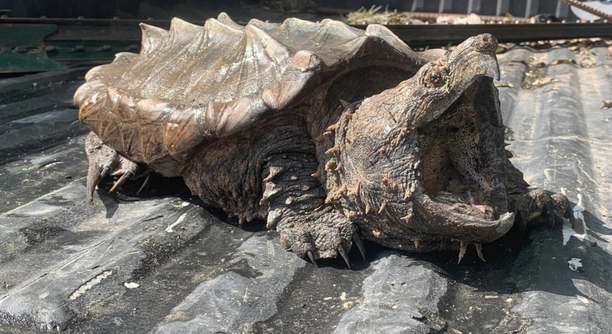
Alligator snapping turtles are fascinating creatures known for their unique appearance and behavior. One aspect of their life that stands out is their ability to hold their breath for extended periods.
Alligator snapping turtles can hold their breath for up to 40 to 50 minutes underwater, depending on environmental factors and activity level. However, this period can vary with age, size, and health of the turtle.
Understanding how and why they can stay submerged for so long reveals interesting aspects of their survival techniques.
How an Alligator Snapping Turtle Holds Its Breath
Alligator snapping turtles are well-adapted to their aquatic environments. Their ability to hold their breath for long periods is one of the factors that help them thrive in freshwater habitats. When submerged, they slow down their metabolism, conserving oxygen. This survival trait allows them to remain hidden from predators and hunt without needing to surface frequently. The turtle’s large size also plays a role in how long it can stay submerged. Bigger turtles tend to have more oxygen reserves, which helps extend their breath-holding ability.
While holding their breath, these turtles often remain completely still, blending in with their surroundings. They use their specialized, worm-like tongue to lure prey closer, making them effective hunters. This method allows them to stay submerged for much longer periods than smaller turtles. They can remain motionless for long stretches, without even needing to come up for air.
Being able to stay underwater for extended times gives the alligator snapping turtle a significant advantage in the wild. Their slow metabolism and energy-efficient lifestyle help them survive in their natural habitats.
Factors That Influence How Long They Can Hold Their Breath
Several factors contribute to how long an alligator snapping turtle can stay submerged. Their age, size, and health all affect their breath-holding capacity. Younger turtles typically need to surface more frequently because their bodies are still developing. In contrast, older, larger turtles can hold their breath longer due to their well-developed systems and increased oxygen storage.
Environmental factors like water temperature also play a role in breath-holding time. Colder water slows down the turtle’s metabolism, allowing it to conserve oxygen for a longer duration. In warmer water, the turtle’s metabolism speeds up, and it will need to surface more often to take in oxygen. The turtle’s overall activity level also influences its breath-holding ability. A turtle that is hunting or active will need to surface sooner than one that is resting.
Turtles in good health are generally able to hold their breath longer, as their bodies are better at conserving oxygen. However, sickness or injury can reduce a turtle’s ability to stay submerged for extended periods.
The Role of Oxygen in Their Survival
The amount of oxygen available in their environment plays a critical role in how long alligator snapping turtles can hold their breath. Underwater, their bodies become efficient at using the available oxygen, allowing them to go longer without needing to surface. This is essential for their survival as it helps them avoid predators and stay hidden while hunting.
While submerged, alligator snapping turtles slow down their metabolic rate, which reduces their oxygen needs. By doing so, they can stay underwater without using up too much energy. This is especially important in environments where food can be scarce. By conserving energy, they make the most of what little oxygen they have and can stay in a motionless state for extended periods.
The way they conserve oxygen has evolved to suit their environment. In murky waters, where visibility is low, staying still and conserving energy can help them remain undetected. This adaptation helps them survive, whether they are hunting or avoiding danger.
How Deep Water Affects Their Breath-Holding
Alligator snapping turtles are often found in deep waters, which can also affect how long they can hold their breath. When submerged in deeper waters, the pressure and the cooler temperature can reduce the need for oxygen, helping the turtle stay down longer. In deeper waters, the turtles are less likely to be disturbed by surface activities, giving them more time to stay underwater undetected.
However, while deeper waters help them stay submerged for longer periods, it also presents challenges. Deeper water may have lower levels of dissolved oxygen, which can make it harder for turtles to maintain their breath-holding ability. As a result, they need to be more efficient in how they use the oxygen available to them.
Turtles that spend most of their time in deep water will have adapted to use oxygen more efficiently. They do this by slowing down their metabolic processes, reducing the need for oxygen, and maximizing the time they can stay submerged. This adaptation makes them excellent survivors in deep, low-oxygen environments.
Breathing Through Their Mouths
While the alligator snapping turtle can hold its breath for long periods, it also has the ability to breathe through its mouth. This allows the turtle to take in oxygen when needed, especially when it surfaces or is in shallow waters. This adaptation helps it stay underwater for longer without surfacing too often.
When the turtle comes to the surface, it can quickly gulp air. This allows it to replenish its oxygen stores before diving back underwater. The turtle’s breathing mechanism is efficient, ensuring it can manage its oxygen levels even when staying submerged for extended times.
Turtles that have access to areas with more oxygen-rich water can breathe through their mouths more frequently. This reduces the need for long underwater sessions. The ability to take in oxygen from the surface is essential when the turtle needs to recharge before another deep dive.
Effect of Activity Level on Breath Holding
The level of activity greatly influences how long an alligator snapping turtle can hold its breath. When resting, the turtle’s metabolism slows down, conserving oxygen. During hunting or when threatened, their metabolic rate increases, requiring more oxygen and reducing the time they can stay submerged.
Higher activity levels demand faster oxygen consumption. When hunting, the turtle needs to move quickly to catch prey, which causes a faster rate of oxygen depletion. Therefore, turtles are more likely to surface sooner when they are more active. The energy expended during these activities affects their ability to stay underwater for long periods.
Overall, the alligator snapping turtle’s breath-holding abilities are closely linked to how much energy it uses. Resting periods allow it to stay submerged for longer, while periods of activity require more frequent surface breaks for air.
FAQ
How long can an alligator snapping turtle hold its breath?
Alligator snapping turtles can hold their breath for up to 40 to 50 minutes on average. However, this can vary depending on their size, age, and activity levels. In colder waters, they may hold their breath for longer periods due to a slower metabolism. Larger turtles, with more oxygen reserves, can stay submerged for longer than smaller ones.
Do alligator snapping turtles need to come up for air?
Yes, they do need to come up for air, but they can go for extended periods without doing so. They are able to hold their breath for long stretches due to their slow metabolism, but they still need to surface every once in a while. The frequency of surfacing depends on their activity level and environmental conditions.
What happens if an alligator snapping turtle doesn’t surface?
If an alligator snapping turtle does not surface for air, it could suffocate. However, this is extremely unlikely, as they have adapted to hold their breath for long periods. Their bodies are built to conserve oxygen, and they will instinctively come up for air when needed.
Can an alligator snapping turtle drown?
Yes, an alligator snapping turtle can drown, but it is rare. Their ability to stay submerged for extended periods helps them avoid situations where they would be in danger of drowning. However, if they were to become trapped or unable to access the surface for air, they could drown.
How do alligator snapping turtles hunt while underwater?
Alligator snapping turtles hunt by staying completely still, blending into their surroundings. They use their worm-like tongue as bait to attract fish or other prey. Once prey comes close enough, the turtle strikes quickly, capturing it. Their ability to remain motionless for long periods helps them catch prey effectively without needing to surface often.
How does the water temperature affect how long they can stay submerged?
Colder water helps alligator snapping turtles hold their breath longer. When the water temperature is low, their metabolism slows down, requiring less oxygen. Warmer water, on the other hand, causes their metabolism to speed up, and they may need to surface more frequently for air.
Do alligator snapping turtles ever come out of the water?
Yes, alligator snapping turtles do come out of the water, but they do so infrequently. They usually emerge to bask in the sun, which helps regulate their body temperature. They may also come out to lay eggs on land. However, most of their time is spent submerged in water.
Are alligator snapping turtles the only turtles that can hold their breath for long periods?
No, other turtles, such as softshell turtles and some freshwater species, can also hold their breath for long periods. However, the alligator snapping turtle is particularly well-known for its ability to remain submerged for extended times due to its unique adaptations. Each species has developed its own methods of surviving in different environments.
How do alligator snapping turtles breathe?
Alligator snapping turtles breathe through their lungs like most reptiles. However, they also have a special adaptation in their mouths. They can “gulp” air when they surface, which helps replenish their oxygen reserves. In addition, some species of snapping turtles have the ability to take in oxygen through their skin or cloaca in specific conditions, though they still need to surface to breathe normally.
Can alligator snapping turtles breathe underwater?
No, alligator snapping turtles cannot breathe underwater. They rely on lungs to breathe, so they must surface periodically to take in air. However, their ability to stay submerged for long periods without surfacing is a result of their slow metabolism and efficient oxygen use.
How do alligator snapping turtles survive in low-oxygen environments?
Alligator snapping turtles are well-adapted to survive in low-oxygen environments. Their bodies are efficient at conserving oxygen, which allows them to remain submerged for long periods. They also choose habitats with sufficient oxygen levels, like slow-moving rivers or deep lakes, where oxygen content is relatively higher compared to more stagnant waters.
Do alligator snapping turtles need a lot of oxygen to survive?
Alligator snapping turtles do need oxygen, but they are highly efficient in using it. Their slow metabolic rate reduces the amount of oxygen they require, allowing them to stay underwater for extended periods. This makes them well-suited for environments where oxygen levels may be lower or where they spend long hours submerged.
Can alligator snapping turtles hold their breath longer if they are not moving?
Yes, alligator snapping turtles can hold their breath for longer periods when they are not moving. When they remain still, their metabolism slows down, and they conserve oxygen. This is why they can stay submerged for so long when hunting or resting in one spot. The less they move, the more oxygen they can store.
How do alligator snapping turtles use their tongues while underwater?
Alligator snapping turtles use their specialized, worm-like tongue as a lure to attract prey. When they are still underwater, they wiggle their tongue to mimic the movement of a worm or small fish. This attracts prey, which the turtle can then quickly snap up. This technique is a major part of their hunting strategy.
Are alligator snapping turtles endangered?
Yes, alligator snapping turtles are considered a vulnerable species. Habitat loss, pollution, and overharvesting for food and the pet trade have contributed to their declining numbers. Conservation efforts are underway to protect their natural habitats and ensure their survival in the wild.
How do alligator snapping turtles defend themselves?
Alligator snapping turtles primarily defend themselves by remaining motionless and camouflaged in their environment. Their rough, algae-covered shells make them hard to spot, and their ability to stay still for long periods helps them avoid detection. They may also bite if they feel threatened, using their strong jaws to protect themselves.
Final Thoughts
Alligator snapping turtles are incredible creatures with unique survival traits that set them apart from many other species. Their ability to hold their breath for extended periods is one of the most remarkable aspects of their biology. By slowing down their metabolism and using oxygen efficiently, these turtles can stay submerged for as long as 40 to 50 minutes, depending on various factors like water temperature, their size, and their activity level. This ability helps them avoid predators, hunt quietly, and remain hidden when necessary, making them highly adapted to their environment.
Although these turtles are built to thrive in aquatic environments, they are not invincible. Environmental factors like water temperature, oxygen levels, and the availability of food can all impact their breath-holding capabilities. Alligator snapping turtles are also vulnerable to threats from human activities, such as habitat destruction, pollution, and overharvesting. Their numbers are declining, which makes their survival even more dependent on the conservation efforts that protect their natural habitats. Understanding the complexity of their behavior and biology is key to ensuring they continue to survive and thrive in the wild.
In the end, the alligator snapping turtle is an example of how animals adapt to their surroundings in fascinating ways. Their ability to hold their breath for such long periods showcases the wonders of nature and the specific adaptations that allow species to thrive in their environments. By protecting their habitats and ensuring they have the resources they need, we can help ensure these ancient reptiles continue to thrive for generations to come.

Hello,
If you enjoy the content that we create, please consider saying a "Thank You!" by leaving a tip.
Every little bit helps us continue crafting quality advice that supports the health, happiness, and well-being of pets around the world, for pets of all shapes, sizes, and species.
We really appreciate the kindness and support that you show us!