
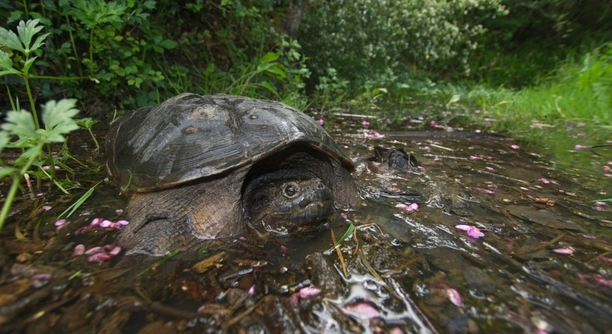
Is your common snapping turtle acting sluggish and burying itself in its habitat? These behaviors might indicate that it is preparing to hibernate. Recognizing the signs early can help you ensure its well-being during this natural process.
Common snapping turtles hibernate by burrowing into mud or substrate to regulate their body temperature. Reduced activity, loss of appetite, and spending more time underwater are key signs. Providing proper conditions, such as maintaining a stable environment, is essential for a safe hibernation period.
Understanding these behaviors can help you determine if your turtle is preparing for hibernation or experiencing other environmental stressors.
Signs Your Common Snapping Turtle Is Trying to Hibernate
During hibernation, common snapping turtles slow down their metabolism and become less active. If your turtle is hiding more often, burrowing into its substrate, or spending extended periods underwater, these could be signs of hibernation. You may also notice a decreased appetite and sluggish movement. These changes are natural as the turtle prepares for colder temperatures. If your turtle is kept outdoors, seasonal shifts can trigger these behaviors. Indoor turtles might still show signs if their environment mimics natural conditions. Monitoring these behaviors can help you determine whether your turtle is preparing for hibernation.
Turtles preparing for hibernation may also become less responsive. They might stay submerged for longer periods without surfacing as frequently. Keeping an eye on these behavioral shifts ensures you provide the best care.
If your turtle is displaying these behaviors, avoid unnecessary disturbances. Providing a quiet space with stable temperatures and a clean habitat can help reduce stress. Turtles rely on their environment to regulate their hibernation cycle. Ensuring proper conditions allows them to enter and exit hibernation safely. Keeping the water clean and at an appropriate temperature can prevent health issues. If you are unsure whether your turtle is hibernating or experiencing health problems, consulting a reptile specialist is recommended.
How to Support Your Turtle’s Hibernation
Hibernating turtles require specific conditions to stay healthy. If your turtle is kept outdoors, ensure the habitat has a deep layer of mud or soft substrate for burrowing. This helps regulate body temperature and provides insulation from extreme cold.
For indoor turtles, maintaining a stable temperature is essential. Gradually lowering the temperature can mimic natural seasonal changes and prevent sudden stress. Water should be clean and oxygenated to support proper breathing. Some owners choose to provide a separate hibernation container with controlled conditions. Ensuring your turtle is healthy before hibernation is also important. Turtles should not enter hibernation underweight or with signs of illness, as this can lead to complications.
Regularly checking your turtle during hibernation is necessary. While they remain inactive, occasional monitoring helps ensure they are safe. If you notice signs of distress, unusual floating, or weight loss, consider consulting a reptile veterinarian. Proper care allows your turtle to hibernate safely and wake up in good health.
Adjusting the Environment for Hibernation
Temperature control is essential for a safe hibernation process. If your turtle is indoors, gradually lower the water temperature to around 50°F. Sudden temperature drops can cause stress. Outdoor turtles should have access to a natural, insulated burrowing area to protect them from extreme cold.
A clean and stable habitat supports healthy hibernation. Regularly check water quality and remove any waste to prevent bacteria buildup. Providing a soft substrate, such as damp soil or mud, allows your turtle to burrow comfortably. If using a separate hibernation container, ensure it remains dark and undisturbed. This helps mimic natural conditions and keeps stress levels low. Avoid bright lights or loud noises near the enclosure. Consistency in environmental conditions is key, as fluctuations can disrupt the hibernation process. If temperatures drop too quickly or rise unexpectedly, your turtle may wake up early, leading to potential health risks.
Hydration is also important during hibernation. While turtles slow their metabolism, they still absorb water through their skin. Ensuring clean, oxygenated water allows them to stay hydrated without fully waking up. If your turtle is hibernating in a separate container, check that the water level is appropriate—deep enough for hydration but not too deep to cause breathing difficulties. If the turtle shows signs of dehydration, slight environmental adjustments may be necessary.
Monitoring Your Turtle During Hibernation
Regular check-ins help ensure your turtle remains healthy throughout hibernation. Look for signs of distress, such as floating, excessive weight loss, or sudden movement. A healthy hibernating turtle will remain still, occasionally shifting positions but without sudden activity.
Weighing your turtle periodically is a good way to track its health. A gradual decrease in weight is normal, but rapid weight loss could indicate a problem. If your turtle loses more than 10% of its body weight, consider adjusting its environment or consulting a reptile specialist. Checking for signs of shell damage, fungus, or unusual breathing patterns is also important. If your turtle appears weak or lethargic upon waking, a vet visit may be necessary to rule out any health concerns.
Avoid disturbing your turtle unless necessary. Excessive handling or movement can disrupt the hibernation process and cause stress. If you must check on your turtle, do so gently and avoid sudden changes in temperature or lighting. Keeping the habitat quiet and undisturbed allows your turtle to complete hibernation safely and wake up in a healthy state.
Waking Your Turtle from Hibernation
Gradually increasing the temperature helps your turtle wake up safely. Sudden warmth can shock its system. If hibernating indoors, slowly raise the water temperature over several days. Outdoor turtles will naturally wake as the environment warms, but checking conditions ensures a smooth transition.
Hydration is important after hibernation. Provide clean, lukewarm water for your turtle to soak in, helping rehydrate its body. Some turtles may take time to regain full activity. Offering food too soon can cause digestive issues, so wait until your turtle is fully alert before feeding.
Post-Hibernation Care
Observing your turtle’s behavior is crucial after hibernation. Lethargy, excessive weight loss, or difficulty swimming could signal health issues. Gradually reintroducing food and monitoring eating habits ensures a proper recovery. If your turtle refuses to eat after several days or shows signs of illness, consulting a reptile specialist is recommended.
When to Avoid Hibernation
Sick, underweight, or young turtles should not hibernate, as they lack the energy reserves to stay healthy. If your turtle is unwell, maintaining a warm, stable environment throughout winter prevents unnecessary risks.
FAQ
How do I know if my snapping turtle is trying to hibernate?
Signs that your common snapping turtle is preparing to hibernate include reduced activity, loss of appetite, and seeking shelter in the substrate. The turtle may burrow into the mud or hide for extended periods, spending less time swimming or basking. It’s normal for turtles to become sluggish and less responsive as the temperature drops.
Can I force my turtle to stay awake during hibernation?
It’s not recommended to force your turtle to stay awake. Hibernation is a natural process for snapping turtles, and interfering with it can cause stress and potential health risks. If the environmental conditions are suitable, it’s best to allow your turtle to enter hibernation.
What happens if my turtle doesn’t hibernate?
If your snapping turtle doesn’t hibernate, it might experience metabolic issues or stress, especially during the colder months. It’s important to ensure that the environment is right for hibernation. If a turtle doesn’t hibernate and struggles to cope with temperature changes, it may become more vulnerable to illness.
Should I feed my turtle before it hibernates?
Feeding your turtle a healthy, balanced diet before hibernation is important, but you should stop feeding it a few weeks before the hibernation period begins. This helps clear its digestive system, reducing the risk of food rotting inside its stomach during hibernation.
How long does hibernation last for a snapping turtle?
Hibernation typically lasts for several months, usually from late fall to early spring. The exact length can vary depending on the environment, temperature, and your turtle’s health. Outdoors, it may hibernate until the weather warms up. Indoors, you may need to control the temperature to ensure it lasts long enough.
Can I wake my turtle up during hibernation?
It’s best to avoid waking your turtle unless necessary. Waking it up too often or too abruptly can disrupt its hibernation cycle and stress it out. Only disturb it if you notice signs of distress, illness, or environmental issues, like temperature fluctuations or inadequate water conditions.
What if my turtle doesn’t wake up after hibernation?
If your turtle doesn’t wake up after the expected hibernation period, it could be experiencing health problems. Gently check for any signs of life, such as slight movements or breathing. If your turtle remains unresponsive, it’s important to consult a reptile veterinarian immediately to assess its health.
How can I help my turtle recover after hibernation?
After waking up, allow your turtle time to adjust. Gradually raise the water temperature, offer fresh water for hydration, and wait until the turtle is fully alert before feeding it. Start with small, soft foods to ease it back into a normal eating routine. If it refuses food for several days, seek veterinary advice.
Can I prevent my turtle from hibernating?
Preventing hibernation is not always necessary or recommended unless your turtle is unwell or underweight. For healthy turtles, hibernation is a natural cycle. If you do need to prevent hibernation, ensure that the environment remains warm enough throughout the winter, typically between 60-70°F, so the turtle stays active.
Is it safe to keep a snapping turtle indoors during winter?
Yes, keeping a snapping turtle indoors during the winter is safe as long as you provide a stable environment that mimics natural conditions. The temperature should be kept around 60°F, and you should ensure it has access to clean water. Make sure the habitat is quiet and undisturbed to avoid stressing your turtle during the colder months.
What should I do if my turtle appears sick after hibernation?
If your turtle appears sick after hibernation, signs might include lethargy, difficulty moving, or not eating. Check for signs of dehydration or respiratory distress. Make sure the water temperature is appropriate and the habitat is clean. If symptoms persist, take your turtle to a reptile vet for proper care.
How do I prepare my turtle’s habitat for hibernation?
To prepare your turtle’s habitat for hibernation, ensure it has a deep substrate where it can burrow. If your turtle is outdoors, check the area for insulation from cold drafts. If indoors, gradually lower the water temperature and avoid disturbing the habitat. Keep the environment quiet and free of sudden changes.
Can a snapping turtle hibernate in a tank?
Yes, a snapping turtle can hibernate in a tank, but it requires specific conditions. The tank should have enough substrate for burrowing, and the water temperature should be gradually lowered to mimic natural conditions. Ensure the tank remains undisturbed and provide a quiet space for the turtle to hibernate safely.
What should I do if I notice my turtle is losing weight during hibernation?
Some weight loss is normal during hibernation, but significant or rapid weight loss can indicate health problems. If you notice your turtle losing more than 10% of its body weight, consult a reptile specialist. You may need to adjust its environmental conditions or check for signs of illness.
Can my turtle hibernate in an outdoor pond?
Yes, outdoor ponds can provide a natural environment for hibernation, as long as the water is deep enough to prevent freezing. Ensure there is soft mud or substrate where your turtle can burrow. In colder climates, it’s important to monitor water temperature and check that the pond does not freeze completely.
How can I tell if my turtle is too cold during hibernation?
If your turtle is too cold during hibernation, it may appear lethargic or unresponsive. You may also notice it floating or having difficulty swimming. Ensure the water temperature is consistent with the turtle’s natural hibernation needs, and make adjustments if it’s too cold. If in doubt, consult a specialist for advice.
Final Thoughts
Understanding the hibernation process of a common snapping turtle is essential for maintaining its health and well-being. When properly prepared, your turtle can safely enter hibernation and endure the colder months without complications. It’s crucial to ensure the environment is conducive to hibernation, providing a proper temperature and substrate for your turtle to burrow. This can include adjusting the water temperature or offering a suitable hiding spot where it can feel secure. If done correctly, your turtle will be able to hibernate naturally, avoiding stress or health issues.
Monitoring your turtle throughout the hibernation period is important, though. It’s normal for turtles to be less active during this time, but it’s still essential to keep an eye on them. If you notice any signs of distress or prolonged inactivity after the expected hibernation period, it may be time to consult a reptile veterinarian. Also, be sure that your turtle’s overall health is in good condition before it enters hibernation. If your turtle is underweight or sick, it may not be ready for hibernation, and extra care will be needed to help it recover.
Taking the time to understand your turtle’s hibernation habits and how to properly care for it during this time ensures that it stays healthy year-round. Always provide the right conditions and avoid interrupting the process unnecessarily. With proper care and observation, you’ll be able to support your turtle through hibernation and help it emerge in good health once the weather warms up.

Hello,
If you enjoy the content that we create, please consider saying a "Thank You!" by leaving a tip.
Every little bit helps us continue crafting quality advice that supports the health, happiness, and well-being of pets around the world, for pets of all shapes, sizes, and species.
We really appreciate the kindness and support that you show us!