
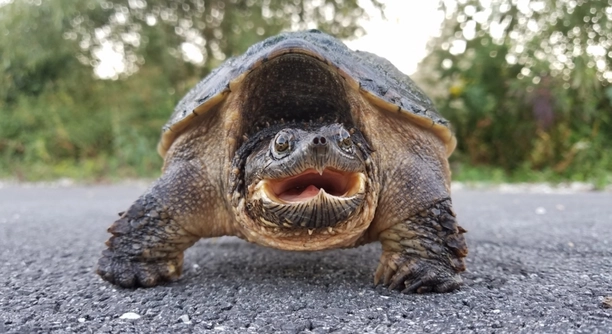
Your common snapping turtle may try to climb on you for various reasons, often linked to its instincts and behavior patterns. Understanding these motivations will help clarify why your turtle acts this way.
The main reason for your snapping turtle climbing on you is likely to seek attention or interact with its environment. Turtles often explore their surroundings through climbing, and this behavior may also stem from curiosity or seeking warmth and security.
There are a few factors behind this behavior that will help you understand what your turtle needs and how to address it.
Reasons for Climbing Behavior
Turtles, including the common snapping variety, are curious creatures. Their attempts to climb on you are often linked to their natural instincts. In the wild, turtles climb over rocks or logs as part of their habitat. This behavior can carry over into captivity, especially if your turtle feels safe or is exploring its space. The sensation of climbing also offers them comfort, as it allows them to access higher ground or find a spot that feels more secure. If your turtle climbs on you, it could be trying to connect with something in its environment, like warmth or a place of rest.
They may also be responding to the presence of food, perceived danger, or a desire for attention. Climbing on you could be their way of testing boundaries. If you are frequently near their tank, they may recognize your presence and associate it with food or interaction.
Sometimes, turtles climb in search of better lighting or temperature. If the tank’s heat source is placed higher up, they may try to get closer to it for warmth.
How to Manage the Behavior
You can prevent excessive climbing by adjusting your turtle’s environment to meet its needs. Ensure that there are areas within the enclosure where your turtle can climb safely without the risk of falling or feeling stressed.
If the turtle continues to climb on you despite adjustments, it might simply be trying to bond. Some turtles will form attachments with their owners over time, seeking comfort and familiarity in their presence. If this behavior becomes overwhelming, set up a more stimulating environment. Adding more climbing structures inside the tank can redirect their climbing attempts. Offering enrichment activities, like different surfaces or hiding spots, can also help keep your turtle entertained.
Understanding Your Turtle’s Needs
By observing your snapping turtle’s behavior, you can better understand its habits and needs. This insight will guide you in providing a more enriching environment for the turtle. Addressing its physical and emotional needs may reduce unnecessary climbing.
How to Make Your Turtle Feel Secure
If your snapping turtle feels insecure, it may try climbing on you as a way of seeking comfort. To help your turtle feel more secure, ensure its environment is stable. A consistent temperature and a safe, quiet space will reduce stress. Ensure the tank has hiding spots and areas where your turtle can rest undisturbed. When the turtle feels safe in its environment, climbing behavior may decrease.
Adding plants, rocks, or driftwood to the tank can help mimic a more natural environment, making the turtle feel more at home. The addition of hiding spots or elevated surfaces provides a chance for your turtle to explore without constantly climbing on you. If it feels a sense of security in the tank, it may be less likely to reach out for physical interaction. Turtles are creatures of habit, and small adjustments can significantly influence their behavior.
If your turtle is in a smaller tank, upgrading to a larger one can help improve its sense of security. A spacious environment allows the turtle to explore and express its natural behaviors without the added pressure of feeling trapped or insecure.
Proper Feeding and Care
Turtles may also climb when they associate you with food. If your turtle consistently climbs on you at feeding time, it could be a sign that it’s associating your presence with meals. To manage this behavior, stick to a feeding schedule and avoid overfeeding. Turtles thrive on routine, so feeding at the same time each day will help regulate their expectations. If your turtle climbs on you outside of feeding times, it may be doing so for other reasons, but food is a common motivator.
Proper care goes beyond feeding. Keep your turtle’s tank clean, provide adequate UVB lighting, and ensure it gets enough exercise. A well-fed and healthy turtle is less likely to seek your attention for food or climb for comfort. Instead, it will focus on its habitat.
Turtles and Bonding with Their Owners
Turtles are capable of bonding with their owners. If your snapping turtle keeps climbing on you, it might be seeking your attention or companionship. Over time, turtles may learn to associate you with safety and comfort, leading to more frequent attempts to climb.
Understanding the behavior can help you gauge how your turtle feels. If it seems to climb out of curiosity or a desire to be close to you, it may show trust. Creating a predictable routine with interactions and care can strengthen this bond and make your turtle more comfortable.
Tank Setup and Temperature Considerations
A stable tank environment is key to minimizing climbing behavior. Ensure the tank temperature is regulated properly, as snapping turtles prefer a warm environment. Having an area with both warm and cool spots will allow your turtle to adjust based on its needs, preventing unnecessary climbing.
If the temperature is too low, your turtle might seek warmth by climbing on objects or you. Maintaining proper heat levels will keep your turtle content and less likely to climb toward you in search of comfort. A temperature-controlled environment supports your turtle’s overall health.
Stress Factors in Your Turtle’s Behavior
Stress can trigger climbing behavior in snapping turtles. If there are external factors causing discomfort—such as loud noises, other animals, or inconsistent care—your turtle might try climbing on you for reassurance. Evaluate its environment to ensure it’s free from stressors. Reducing these factors can improve its behavior.
FAQ
Why does my snapping turtle keep climbing on me?
Your snapping turtle may climb on you for several reasons. It could be seeking warmth, comfort, or companionship. In the wild, turtles often climb over rocks and logs, and this behavior can carry over to captivity. If your turtle climbs you frequently, it might be trying to bond with you or get your attention. It could also associate you with food or safety. Understanding these factors will help you respond appropriately.
Is my snapping turtle climbing because it’s stressed?
Yes, stress can lead to climbing behavior. If there are changes in the turtle’s environment, like loud noises, unfamiliar people, or poor tank conditions, it may climb on you as a way to seek security. Stress can also occur from overcrowding, improper tank setup, or even temperature fluctuations. Evaluate the tank setup to ensure it’s stable and offers a peaceful environment.
Can I train my snapping turtle not to climb on me?
Training your snapping turtle to stop climbing on you is possible, but it requires consistency. Start by adjusting the turtle’s environment to meet its needs. Add structures in the tank, such as rocks or logs, to encourage climbing in its habitat rather than on you. Avoid rewarding the climbing behavior with food or attention, as this can reinforce it. Over time, your turtle may adjust and focus on exploring its space rather than seeking interaction.
What should I do if my turtle is constantly climbing out of its tank?
If your turtle is climbing out of its tank, it may be feeling confined or searching for a better environment. Ensure the tank has enough space for your turtle to move around. Consider adding taller tank walls or a lid to prevent escapes. Additionally, check if the tank’s temperature or lighting is appropriate, as turtles may climb to seek warmth or a more suitable environment. If your turtle continues escaping, it might need a larger tank or more environmental enrichment.
Is climbing a sign of affection from my turtle?
While turtles don’t express affection in the same way that mammals do, climbing can be a sign that your turtle feels comfortable and safe around you. It may be associating your presence with food, security, or warmth. Over time, as you build trust and establish a routine, your turtle may exhibit more frequent climbing as a way of seeking attention or interaction.
How do I know if my turtle is climbing due to health issues?
If your turtle is climbing excessively or in a way that seems out of character, it could be a sign of health problems. Look for other signs of illness, such as lethargy, poor appetite, or abnormal shell behavior. If you suspect that your turtle’s climbing behavior is linked to health issues, consult a veterinarian who specializes in reptiles for a check-up. A sudden change in behavior, like excessive climbing, should never be ignored.
How can I make my turtle’s environment more comfortable?
A comfortable environment is crucial for a snapping turtle’s well-being. Ensure your turtle’s tank is large enough to accommodate its size. Provide hiding spots, rocks, and water filters to keep the water clean. Maintain a stable temperature with heat lamps, ensuring the turtle has both warm and cool areas to choose from. UVB lighting is also essential for their health. Regular tank cleaning and ensuring the water is filtered will prevent stress and encourage your turtle to stay in its habitat rather than climb toward you.
How can I prevent my turtle from climbing on other objects in its tank?
To prevent your turtle from climbing on objects in the tank, provide a variety of surfaces that encourage natural behavior. Use different types of rocks, driftwood, or aquarium-safe decorations. Ensure the turtle’s climbing options are stable and safe, as this can redirect its climbing urges toward its tank instead of external objects. A larger tank with more opportunities to explore can also reduce climbing behavior. If your turtle has plenty of space, it may not feel the need to climb on everything.
Why is my snapping turtle always trying to get out of the tank?
A snapping turtle trying to escape its tank might be searching for a more suitable environment or feeling stressed. It could also be trying to find a warmer area or seeking more space. Ensure the tank size is adequate for your turtle, as a cramped environment can lead to escape attempts. Make sure the tank has secure walls or a lid to prevent your turtle from getting out. If the tank setup is fine and your turtle continues to attempt escape, consider adding more enrichment or adjusting its environment to reduce restlessness.
Can my snapping turtle’s climbing behavior be a sign of boredom?
Yes, boredom can cause a snapping turtle to climb in search of something to do. If the tank lacks variety or enrichment, your turtle may start climbing on objects or even you. To prevent this, include hiding spots, different surfaces to explore, and possibly new objects that stimulate the turtle’s curiosity. Also, try offering food or treats in different areas of the tank to encourage natural foraging behaviors. Regularly changing the tank setup can help maintain your turtle’s interest and prevent boredom.
Final Thoughts
Understanding your snapping turtle’s climbing behavior can help you create a better environment for it. While it may seem odd or puzzling, this behavior is often linked to the turtle’s instincts, comfort, or even a desire for attention. When turtles climb, they may be seeking warmth, trying to bond with you, or simply exploring their surroundings. It’s important to remember that turtles, like other animals, express themselves through actions, and climbing may be their way of communicating needs or feelings. Recognizing these cues can help strengthen the bond between you and your pet, ensuring its well-being.
A stable and enriching environment is key to preventing unnecessary climbing. If your turtle climbs too much, it could be a sign that something is off with its habitat, such as improper temperature or lack of space. Make sure to maintain a comfortable temperature range, offer enough space for your turtle to move freely, and add natural elements like rocks or logs for climbing inside the tank. Providing a variety of surfaces and hiding spots can also help reduce stress and encourage more natural behaviors, minimizing the need for your turtle to climb on you or objects in its environment.
Finally, it’s essential to remain patient as you observe your turtle’s behavior. It may take time to fully understand why your turtle climbs, but over time, you will likely be able to adjust its habitat to meet its needs. If climbing continues or becomes a concern, consider consulting with a veterinarian or reptile specialist to ensure your turtle is healthy and that its environment is well-suited to its natural instincts. By being attentive and responsive to your snapping turtle’s behavior, you can help create a happy, comfortable life for your pet.

Hello,
If you enjoy the content that we create, please consider saying a "Thank You!" by leaving a tip.
Every little bit helps us continue crafting quality advice that supports the health, happiness, and well-being of pets around the world, for pets of all shapes, sizes, and species.
We really appreciate the kindness and support that you show us!