
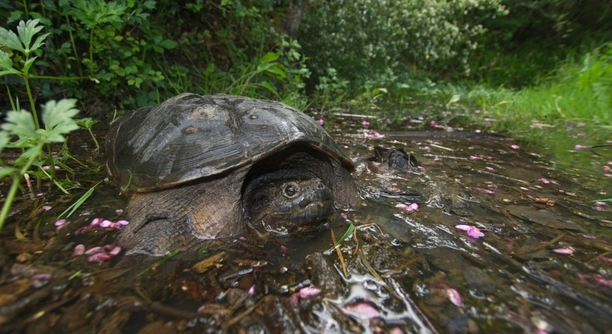
Caring for your common snapping turtle means making sure its tank is just right. One aspect that often gets overlooked is the number of plants in the tank. Plants play a vital role in creating a healthy habitat.
If your turtle’s tank lacks enough plants, it can cause issues like poor water quality, a lack of hiding spaces, and stress for your turtle. Adding the right plants can improve the environment and help with their overall well-being.
In this article, we will explore how to tell if your snapping turtle’s tank could benefit from more plants and the best steps to take.
Why Plants Matter for Your Snapping Turtle’s Tank
Plants in a turtle’s tank serve several important functions. They help improve water quality by absorbing excess nutrients, which can prevent harmful algae growth. Plants also provide hiding spots, which give your turtle a sense of security. Without enough plants, your snapping turtle may feel stressed and exposed. Additionally, plants contribute to the tank’s aesthetic value and make the environment feel more natural for your pet. A well-planted tank helps mimic your turtle’s natural habitat, where plants are abundant. In nature, turtles often hide among plants or use them to bask in the sun. Without proper plant life in a tank, the environment becomes less stimulating, and your turtle might even show signs of boredom or stress. The plants also help maintain a balanced ecosystem, ensuring the water remains cleaner and healthier for your turtle.
Without adequate plants, your turtle’s well-being could suffer. Consider the health of your turtle and the state of the water before adding more plants.
Ensuring there are plenty of plants in your snapping turtle’s tank can also enhance its diet. Some species of aquatic plants are actually safe for turtles to nibble on. The plants can offer extra nutrients and variety, helping with digestion and promoting overall health. A tank with more plants provides a more enriching environment and supports your turtle’s natural behaviors. Healthy plants create hiding places for your turtle to retreat to when it feels threatened. Furthermore, the right types of plants can provide places for your turtle to bask and rest. If your turtle is not getting enough interaction with its environment, it could lead to behavioral issues or poor health. By introducing more plants, you create a healthier, more comfortable home for your pet.
How to Tell If More Plants Are Needed
If the tank looks bare and there’s little to no plant cover, it’s time to add more plants.
It’s essential to regularly assess your turtle’s tank to make sure it meets its needs. If the tank is devoid of plants or only has a few, your turtle may be struggling to find shelter. Check for areas where your turtle can rest or hide. These are crucial for reducing stress. Your turtle may also appear agitated, pacing more than usual, or trying to climb the tank walls. Lack of plants can cause your turtle to feel exposed, and it may become lethargic due to the lack of stimulation. If you notice these signs, adding plants will provide both physical and mental enrichment. Plants give your snapping turtle the space to explore, hide, and interact with its environment.
For snapping turtles, the water quality is just as important as the number of plants. Healthy plants help keep the water cleaner by absorbing excess waste. If you notice that the water is murky or has a strong odor, this could signal a need for more plants. In some cases, plants can help filter the water naturally, making it safer for your turtle. Regular water changes can also keep the environment fresh, but without plants, you may find yourself doing this more frequently. Make sure to introduce plants that thrive in water, like floating plants or submerged varieties, to improve the tank’s ecosystem. Plants like water lilies, hornwort, or anacharis are great choices for a turtle tank. Just remember to monitor the plants closely. Some species can become too large or overgrow the tank, which could end up causing more harm than good. Keep the balance in check to create the best environment for your turtle.
Types of Plants to Add for Your Snapping Turtle
Aquatic plants can vary in type, and each has its role in the tank. Floating plants, like duckweed, are good for providing cover and reducing light, which helps keep algae growth in check. Submerged plants, like anacharis, offer oxygenation and help with water filtration. Some plants can even be eaten by your turtle, adding a healthy food source to their diet. Mixing different types of plants ensures a balanced ecosystem for your snapping turtle.
When choosing plants, make sure they are safe for your snapping turtle. Some plants, like water hyacinth, are fine, while others may not be suitable. Research the plants before adding them to avoid potential risks. A good variety of plants helps simulate a natural environment, making your turtle feel more at home. Over time, they can also help prevent issues like poor water quality or low oxygen levels. Plants are not only decorative but functional. They can support the overall health of your turtle and its habitat.
Adding the right plants is crucial for maintaining a healthy environment. Submerged plants help oxygenate the water and remove excess nutrients that can lead to algae blooms. Floating plants provide shade and shelter, reducing stress levels for your turtle. Choosing plants that your turtle can nibble on will also contribute to its overall diet. However, it’s important to avoid overcrowding the tank with too many plants, as this can interfere with your turtle’s movement and overall comfort. A balance between aesthetic appeal and functionality will lead to a more peaceful and healthy environment.
How to Care for the Plants in Your Turtle Tank
Caring for plants in a turtle tank requires a little effort. Regularly trimming plants is necessary to prevent them from overgrowing and blocking your turtle’s space. Remove dead or decaying leaves promptly to maintain good water quality. Some plants may need to be replanted if they start to float too much or become loose from the substrate. Make sure the plants get adequate light, as this encourages healthy growth. You can use a tank light or place the tank near a natural light source.
Plants in your turtle’s tank can also require periodic maintenance to thrive. If you notice that some plants are not doing well, you might need to adjust the lighting, water temperature, or pH levels. Some plants prefer different water conditions, and it’s important to match these needs to your turtle’s environment. Water changes are still important, but plant care can reduce the frequency and help maintain water quality. You may also consider using a water filter that helps maintain plant health while ensuring clean water for your turtle. Keeping the plants healthy benefits both your turtle and the tank environment.
Common Mistakes When Adding Plants to Your Turtle Tank
One mistake is overcrowding the tank with too many plants. While plants are great for your turtle’s health, too many can make the tank feel cramped. Your turtle needs room to swim freely. Always balance the number of plants with the available space.
Another common mistake is choosing the wrong type of plants. Some plants may not thrive in your turtle’s tank, or worse, could be toxic. Make sure to research each plant before adding it to your setup. Even though some plants may look attractive, they might not provide the necessary benefits or be safe for your turtle.
How to Ensure Proper Plant Growth
For plants to thrive, they need the right conditions. Ensure your tank has enough light for photosynthesis. Some plants require direct light, while others can do well in lower light settings. Regular trimming is necessary to prevent overcrowding and maintain the health of the plants. Additionally, check for nutrient deficiencies, which can cause poor plant growth. Add plant fertilizer when needed, but make sure it’s safe for aquatic animals. Regular maintenance of the plants ensures a clean and healthy environment for your turtle.
Signs of Poor Plant Health in Your Tank
If your plants are turning yellow or brown, this may indicate poor water conditions or insufficient light. Make sure to check your water’s pH, temperature, and nutrient levels. Adjust the environment as needed, and remove any decaying plants to prevent harm to your turtle.
FAQ
How many plants should I have in my snapping turtle’s tank?
The number of plants in your snapping turtle’s tank depends on the size of the tank and the type of plants you choose. A general guideline is to have enough plants to provide hiding spots and shade without overcrowding the tank. For a 40-gallon tank, having around 5 to 6 plants should be enough. This ensures that your turtle has enough space to swim around while benefiting from the plants’ natural filtration and oxygenation.
Can I use live plants in my turtle tank?
Yes, live plants are great for snapping turtles. They help improve water quality by absorbing nutrients, reduce algae growth, and provide natural hiding spots. However, not all plants are suitable for turtles. Some plants can be eaten, while others might not thrive in a turtle tank environment. It’s essential to choose plants that are safe for your turtle and can withstand some nibbling. Common options include anacharis, java fern, and hornwort.
Will my snapping turtle eat the plants in its tank?
Yes, snapping turtles are known to nibble on plants, especially if they are hungry or curious. While they enjoy the occasional plant snack, they should still be provided with a balanced diet that includes commercial turtle food, protein, and vegetables. Offering a variety of plant species can give your turtle the option to graze without harming the overall health of the tank.
What types of plants are safe for my snapping turtle?
Some of the safest plants for snapping turtles are hardy, aquatic plants that can withstand a bit of nibbling. Anacharis, hornwort, java moss, and water lettuce are excellent choices. These plants provide both shelter and natural filtration. It’s important to avoid plants that are toxic to turtles, such as ivy, azaleas, or daffodils. Always check whether a plant is safe for reptiles before adding it to the tank.
How can I tell if my turtle’s tank needs more plants?
If you notice that the water quality is poor, the tank feels barren, or your turtle seems stressed, it may be time to add more plants. Plants help maintain water quality by absorbing excess nutrients and providing oxygen. If your turtle is pacing the tank or seems uncomfortable, it could be a sign that the environment lacks sufficient hiding spots or stimulation. Adding more plants creates a more natural habitat for your turtle and can improve its overall health.
Do I need to remove dead plants from the tank?
Yes, removing dead or decaying plants from the tank is essential for maintaining water quality. Dead plants release nutrients that can lead to algae growth and water pollution. Regularly trim or remove any unhealthy plants to keep the tank environment clean and healthy. This also prevents any potential harm to your turtle from decaying matter in the water.
Can I use artificial plants in my turtle’s tank?
While artificial plants can provide a decorative touch, they don’t offer the same benefits as live plants. Artificial plants don’t help with water filtration or oxygenation. However, they can still provide hiding places for your turtle and help make the tank look more natural. If you choose artificial plants, make sure they have no sharp edges that could injure your turtle.
How do I care for the plants in my turtle’s tank?
Caring for plants in a turtle tank involves ensuring they have proper lighting, nutrients, and water conditions. Most aquatic plants need a light source, either natural or artificial, to grow. Trim any overgrown plants regularly to prevent them from overcrowding the tank. Also, check the water’s pH and nutrient levels to make sure they are suitable for plant growth. Some plants may require occasional fertilization, but make sure any fertilizers are safe for aquatic animals. Lastly, remove dead or decaying leaves to keep the water clean.
How can I improve water quality with plants?
Plants improve water quality by absorbing excess nutrients like nitrogen and phosphorus, which are typically found in fish waste and uneaten food. This natural filtration helps reduce harmful algae blooms and keeps the water clearer. Choosing a variety of plants, including submerged and floating types, can significantly improve the water quality in your turtle’s tank. However, it’s also important to perform regular water changes and monitor your tank’s filtration system to maintain optimal conditions.
Are there any plants that should be avoided in a turtle tank?
Yes, certain plants should be avoided in a turtle tank. Some plants are toxic to turtles, such as poison ivy, oleander, and daffodils. Additionally, some plants may not thrive in a turtle tank because they cannot handle the high nutrient levels from turtle waste. Avoid plants that are too delicate or prone to rapid decay, as this can cause poor water quality. Always do thorough research before adding any new plant species to ensure they are both safe for your turtle and suitable for the tank environment.
Final Thoughts
Maintaining the right balance of plants in your snapping turtle’s tank is essential for its health and well-being. Plants are not just decorative; they play a crucial role in filtering the water, providing oxygen, and offering hiding spots for your turtle. A well-planted tank can create a more natural and comfortable environment for your turtle to thrive in. By paying attention to the types of plants you add and making sure they are suitable for your turtle’s needs, you can create a better home for your pet.
It’s important to remember that not all plants will be ideal for every tank. Some plants may require specific water conditions, while others might get eaten by your turtle. Researching and choosing plants that are safe for snapping turtles is key. Floating plants, submerged plants, and even some that your turtle can nibble on can help make the tank more balanced. The plants will not only enhance the aesthetic value of the tank but also contribute to keeping the water clean and clear, which is vital for your turtle’s health.
Taking care of your plants, just like taking care of your turtle, requires attention. Trimming overgrown plants, removing dead ones, and ensuring they have enough light and nutrients will keep your tank in good condition. If you notice signs of stress in your turtle or water quality issues, it may be time to reconsider the amount of plants in the tank or switch out some species. With the right approach, your snapping turtle will enjoy a healthier and more vibrant environment.

Hello,
If you enjoy the content that we create, please consider saying a "Thank You!" by leaving a tip.
Every little bit helps us continue crafting quality advice that supports the health, happiness, and well-being of pets around the world, for pets of all shapes, sizes, and species.
We really appreciate the kindness and support that you show us!