
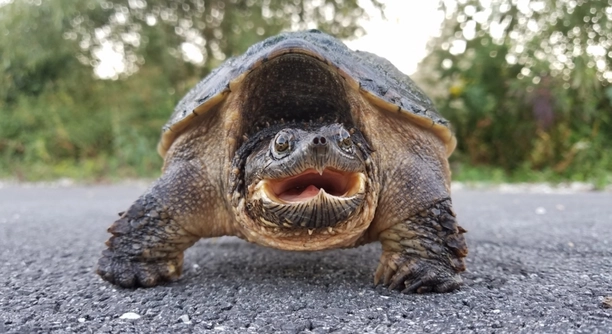
Do you have a common snapping turtle in your care and wonder if its water quality is up to par?
Poor water quality can harm your snapping turtle’s health and make it uncomfortable. To determine if the water is unhealthy, check for signs like cloudiness, foul odor, or extreme water temperature. Regular water testing is key.
Taking simple steps to monitor and adjust your turtle’s water quality will help prevent potential health issues and keep your pet happy.
Signs of Poor Water Quality
If your snapping turtle’s water seems cloudy or has a strong, unpleasant odor, it’s a clear sign that the water is unhealthy. Other common indicators include a film on the surface or algae growth. These issues could mean there are excess waste products or chemicals in the water. Poor water quality can affect your turtle’s health by causing skin infections, stress, or respiratory problems. Over time, dirty water can lead to a buildup of toxins that can make your turtle weak and more vulnerable to illness. Regular cleaning and water changes are essential to maintain a healthy environment.
Sometimes, the water temperature can be another red flag. If it’s too high or too low, your turtle might not feel comfortable, which could stress it. Keeping the water at the correct temperature is crucial for maintaining your turtle’s metabolism and overall well-being.
Water tests are a great way to confirm water quality. They check for harmful substances like ammonia, nitrites, and nitrates. These levels can rise quickly in turtle tanks, especially if not cleaned often enough. Regular testing will give you an accurate idea of how safe the water is for your turtle. If you notice any unusual water changes, testing can guide you toward a solution.
Maintaining Clean Water
Cleaning your turtle’s tank regularly is the best way to keep the water quality in check.
To ensure your turtle has fresh, clean water, it’s important to change the water weekly, depending on the size of the tank. Regularly clean any filter and remove any debris or uneaten food. You can also introduce water plants that help filter the water naturally, but keep an eye on them, as they can get dirty over time.
Monitoring Water Parameters
Test your turtle’s water regularly for ammonia, nitrites, and nitrates. These toxins are harmful even at low levels and can lead to illness. A reliable water test kit can help keep track of the water’s condition, ensuring it stays safe. Monitor the pH levels too, as drastic changes can stress your turtle.
Ammonia is the most common issue in turtle tanks. It results from the breakdown of organic matter like food, waste, and debris. Even small amounts of ammonia can cause respiratory issues for your turtle. If ammonia levels rise, immediately perform a water change. Make sure the filter is working correctly and that the tank isn’t overstocked.
Nitrates and nitrites also pose a threat to your turtle’s health. Nitrates accumulate in the water after bacteria break down ammonia. While less toxic than ammonia, they can still stress your turtle and promote algae growth. Regular water changes and good filtration will help maintain the right balance in the tank.
The Role of Filtration
A good filter is crucial for maintaining clean water.
Filters help remove waste, debris, and harmful toxins. Choose one that’s appropriate for your tank size and type of turtle. Clean and replace filter media regularly to keep it working effectively. If the water quality is poor, the filter might not be working properly, and you may need to adjust it. Make sure the filter creates proper water circulation and avoids creating strong currents that could stress your turtle.
Cleaning the Tank
Cleaning the tank regularly is key to maintaining good water quality. Remove any uneaten food, waste, and debris that may have settled at the bottom. These can decompose, making the water dirty and unhealthy for your turtle. It’s best to do a deep clean every two weeks.
During the cleaning process, make sure to remove and clean the filter. Replace filter media as needed, and scrub the tank’s walls to remove any algae buildup. Don’t use soap, as it can harm your turtle. After cleaning, always check water parameters before placing your turtle back into the tank.
Water Changes
Water changes are essential for maintaining a healthy environment for your snapping turtle.
Change 25% to 50% of the water weekly to keep it clean. Be sure to treat the tap water with a water conditioner before adding it to the tank. Always match the new water’s temperature to the tank’s temperature to avoid shocking your turtle.
FAQ
How often should I test my snapping turtle’s water?
You should test your turtle’s water at least once a week, especially if you notice any signs of poor water quality, such as cloudy water or a foul odor. Testing the water regularly helps you keep track of ammonia, nitrites, and nitrate levels to ensure the water is safe for your turtle. If you have a heavily stocked tank or a smaller setup, more frequent testing may be necessary.
Can I use tap water in my snapping turtle’s tank?
Yes, you can use tap water, but it’s important to treat it first. Tap water often contains chlorine or chloramine, which are harmful to your turtle. Use a water conditioner specifically designed for aquarium use to remove these chemicals. Also, let the treated water sit for a while to reach the same temperature as the tank water before adding it to avoid sudden temperature changes.
What should I do if the water temperature is too high or too low?
If the water temperature is too high, use a fan or water chiller to cool it down. For low temperatures, you can use an aquarium heater to raise it. Keep the temperature within the ideal range for snapping turtles, usually between 72°F and 78°F (22°C – 26°C). Too much fluctuation in water temperature can stress your turtle and affect its health.
How can I tell if the water is clean enough for my snapping turtle?
Check for clear water, no odor, and no visible debris. If the water is cloudy or there’s a strong smell, it’s a sign that it needs to be changed or filtered more frequently. Regular water testing will also help you confirm the water quality, especially checking for harmful toxins like ammonia and nitrites.
Is it okay to have plants in my turtle’s tank?
Yes, having live plants in the tank can help maintain water quality by absorbing excess nutrients and providing shelter for your turtle. However, be careful to choose plants that are turtle-safe, as some can be toxic if consumed. Also, keep in mind that plants need to be maintained properly to avoid them becoming decayed and contributing to poor water quality.
Can I use gravel or sand in my turtle’s tank?
Gravel and sand can be used, but they come with risks. Turtles can accidentally swallow small pieces, leading to digestive problems. If you choose to use gravel, make sure it’s large enough that the turtle can’t swallow it. Sand can also pose a risk, especially if it’s ingested in large amounts, which can lead to impaction. Opt for larger substrates or smooth river rocks to reduce these risks.
What’s the best type of filter for a snapping turtle’s tank?
A canister filter or a powerful internal filter is best for a snapping turtle’s tank because they provide strong filtration and can handle the waste produced by your turtle. Canister filters are especially effective for larger tanks and have the capacity to filter a larger volume of water. Be sure to clean and maintain the filter regularly for optimal performance.
Should I use a UVB light in my turtle’s tank?
Yes, snapping turtles need UVB light to help them process calcium and maintain healthy bones and shells. UVB lights mimic natural sunlight and are essential for preventing shell deformities and other health problems. Ensure the UVB light is positioned correctly over the basking area, and replace it every 6 to 12 months, as the UVB rays degrade over time.
How do I prevent algae growth in my turtle’s tank?
Algae can grow when excess nutrients, like uneaten food and waste, accumulate in the water. To prevent algae, clean the tank regularly, remove any uneaten food, and ensure the filter is functioning well. Reducing the amount of light the tank receives can also help limit algae growth. If algae does grow, you can remove it by scrubbing the tank walls and using a siphon to clean the substrate.
Why is my snapping turtle spending too much time in the water?
If your turtle is spending too much time in the water, it may be a sign that it’s stressed or uncomfortable with its environment. Ensure the basking area is warm enough and accessible. Snapping turtles need both water and dry areas to regulate their body temperature. Also, check that the water quality is not causing discomfort, as poor water conditions can stress the turtle.
Can I add other fish or animals to my snapping turtle’s tank?
It’s generally not recommended to add other fish or animals to your snapping turtle’s tank. Snapping turtles are aggressive hunters and may view smaller fish or invertebrates as food. If you want to add fish, choose species that are large enough to avoid being eaten and are compatible with turtles. Always monitor the interactions carefully to prevent harm.
How do I know if my turtle is stressed due to water quality?
Stress in snapping turtles due to poor water quality can be shown by signs like lack of appetite, staying at the bottom of the tank, or excessive basking. Turtles might also swim erratically or avoid certain areas of the tank. If you notice these behaviors, perform a water test and clean the tank to remove any toxins that may be causing discomfort.
Final Thoughts
Maintaining good water quality for your common snapping turtle is essential for its health and well-being. Regular cleaning, water changes, and monitoring water parameters like ammonia, nitrites, and nitrates are key to ensuring a safe environment. Poor water quality can cause stress, infections, and other health problems, which can be avoided with routine care. A proper filtration system is also a must to help keep the water clean and clear. Without the right equipment and attention, your turtle may suffer from poor health, so staying on top of water maintenance is important for its long-term happiness.
It’s also essential to monitor the temperature and pH levels of the water. Snapping turtles thrive in temperatures between 72°F and 78°F (22°C – 26°C), and the water should be within this range for them to feel comfortable. Too high or too low a temperature can cause stress and even make them sick. A thermometer and regular testing kits can help ensure these parameters are within the appropriate range. Additionally, checking the pH regularly is a simple but effective way to keep the water quality stable and prevent harm to your turtle.
If you take these simple steps to keep your turtle’s environment clean and comfortable, it will thrive. Regular water changes, proper filtration, and checking for signs of poor water quality can all make a significant difference in your turtle’s health. While it may seem like a lot of work at first, these steps are essential for creating a healthy, safe home for your pet. By staying consistent with tank maintenance, you can enjoy watching your snapping turtle live a long, healthy life.

Hello,
If you enjoy the content that we create, please consider saying a "Thank You!" by leaving a tip.
Every little bit helps us continue crafting quality advice that supports the health, happiness, and well-being of pets around the world, for pets of all shapes, sizes, and species.
We really appreciate the kindness and support that you show us!