
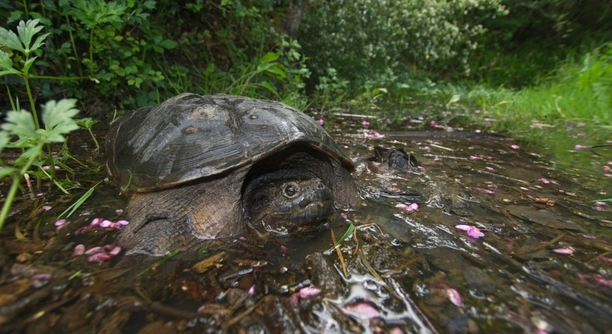
Common snapping turtles are fascinating creatures that thrive in various habitats. Their diet plays a significant role in maintaining their health and vitality. A well-balanced natural diet ensures they remain active and healthy in their environment.
The seven best natural foods for a common snapping turtle include aquatic plants, fish, insects, earthworms, fruits, vegetables, and small amphibians. These food sources provide essential nutrients that support their growth, energy levels, and overall well-being.
Providing the right mix of these foods helps maintain a snapping turtle’s health and vitality.
Best Natural Foods for Common Snapping Turtles
Aquatic plants are among the best food sources for common snapping turtles. They are naturally found in their environment, providing essential nutrients. These plants offer a good balance of fiber, vitamins, and minerals, supporting the turtle’s digestive system and overall health. Examples include water lilies, duckweed, and pondweed. These plants are not only a primary food source but also contribute to the turtles’ well-being by keeping their environment clean and balanced.
Vegetation in the wild often makes up a significant portion of a snapping turtle’s diet. It’s important to replicate this as closely as possible in their diet. Fresh, organic aquatic plants ensure they receive the proper nutrients, boosting their immune system.
In captivity, adding fresh water plants like water hyacinth or elodea can help mimic their natural food sources. Ensuring the plants are free of pesticides is critical to maintaining the turtle’s health. By providing a variety of aquatic plants, you support their natural behavior and dietary needs, helping them thrive.
Fruits and Vegetables for Snapping Turtles
Incorporating fruits and vegetables into a snapping turtle’s diet can provide important vitamins. Common fruits include apples, strawberries, and melons. Vegetables like carrots and leafy greens also offer essential nutrients.
Vegetables and fruits offer a variety of vitamins and hydration to keep the turtle healthy. These foods should be offered in moderation, as turtles primarily consume protein. However, these plant-based options can contribute to a well-rounded diet when combined with other food sources.
Fish as a Food Source for Snapping Turtles
Fish is another essential food for snapping turtles. They enjoy catching small fish like goldfish, minnows, and guppies. Fish provides the necessary protein and omega-3 fatty acids that support the turtle’s muscle development and immune system. These nutrients are vital for overall health and energy levels.
Feeding fish to a snapping turtle also helps to mimic their natural diet. In the wild, these turtles often hunt fish as part of their daily routine. It’s important to ensure the fish are not too large, as this could pose a risk to the turtle’s health. Live fish is typically preferred, but frozen fish can also be offered as a convenient option.
To ensure that the fish are healthy, always check their source and make sure they are free of harmful chemicals or parasites. In captivity, feeding a variety of fish types ensures that the snapping turtle receives the full spectrum of nutrients they need for optimal health.
Insects and Earthworms for Snapping Turtles
Insects and earthworms are a great source of protein for snapping turtles. Earthworms, crickets, mealworms, and grasshoppers are all excellent options. These food items are high in protein and help support the turtle’s growth and energy levels. They also provide essential nutrients that contribute to the turtle’s muscle and bone health.
Insects, specifically, are easy to obtain and offer a great protein alternative. Turtles are natural hunters, and offering live insects replicates their wild feeding habits. Feeding a mix of insects keeps the turtle’s diet varied, which helps ensure they are getting all the necessary nutrients. Additionally, insects can be sourced from pet stores or even collected from outside.
Earthworms are another excellent option, especially when combined with other protein sources. They are low in fat, which makes them an ideal food for turtles that need a healthy balance of nutrients. Regularly feeding your snapping turtle a mix of insects and earthworms will keep them satisfied and healthy.
Small Amphibians for Snapping Turtles
Small amphibians, like frogs and tadpoles, are part of a snapping turtle’s natural diet. These creatures provide protein and important minerals. They are easy to catch in the wild, and adding them to a turtle’s diet ensures a variety of nutrients. It’s important to avoid overfeeding them, as they should be an occasional treat.
Snapping turtles have the instinct to catch and eat small amphibians. Frogs and tadpoles can provide a good source of protein while keeping their diet diverse. Just be sure to ensure the amphibians are free of chemicals and pesticides before offering them to your turtle.
Fruits as a Treat for Snapping Turtles
Fruits are a great supplement to a snapping turtle’s diet. They add variety and contain vitamins that help boost the immune system. Apples, strawberries, and bananas are commonly offered and provide natural sweetness. While fruits are not a staple food, they can make a healthy treat.
Fruits should be fed in moderation, as too much sugar can be harmful. Snapping turtles enjoy different types of fruit, and offering a mix will keep their diet interesting. It’s important to remove seeds from fruits like apples, as they can be harmful. Keeping fruits fresh and pesticide-free ensures the best nutrition.
Vegetables for Snapping Turtles
Vegetables like leafy greens and carrots are excellent additions to a snapping turtle’s diet. These foods provide necessary vitamins and fiber. Leafy greens, such as kale and spinach, are particularly beneficial for digestive health. Turtles may enjoy a variety of vegetables, which helps create a balanced diet.
Vegetables should be served alongside other protein-rich foods like fish and insects. Mixing vegetables with aquatic plants provides a varied and healthy diet. Avoid offering starchy vegetables like potatoes, as they can be too filling and low in essential nutrients. Properly prepared vegetables contribute to the turtle’s overall health.
FAQ
What should I feed my snapping turtle daily?
A balanced daily diet for a common snapping turtle should consist of a variety of foods. You can offer a mix of protein sources, such as fish, insects, and earthworms, alongside plant matter like aquatic plants, fruits, and vegetables. A well-rounded meal ensures the turtle gets essential nutrients, including vitamins, protein, and fiber. While they eat a lot, it’s crucial not to overfeed them. Offer meals once or twice a day, adjusting based on the turtle’s age and activity level. Keeping their diet varied will also help prevent boredom and encourage natural foraging behavior.
Can I feed my snapping turtle raw meat?
It is not advisable to feed raw meat from a grocery store or butcher directly to your snapping turtle. Raw meat can be contaminated with bacteria or parasites, which can harm the turtle. However, certain types of raw meats, like fish or poultry, can be offered occasionally as a treat, as long as they are safe and sourced correctly. It’s best to provide a diet primarily consisting of natural foods like insects, fish, and vegetation. Always ensure that the meat is fresh, free from preservatives, and does not contain harmful additives.
How often should I feed my snapping turtle?
Young snapping turtles should be fed daily, while adult turtles can be fed every other day. The frequency depends on the turtle’s age and size. Juvenile turtles are still growing and require more energy, so they need a daily intake of food. On the other hand, adult turtles can be given food less frequently, as they are less active and have slower metabolisms. Monitor the turtle’s health and adjust feeding based on its activity level and weight. Always remove uneaten food after a couple of hours to prevent water contamination.
Can snapping turtles eat vegetables and fruits?
Yes, snapping turtles can eat both vegetables and fruits, but these should be part of a balanced diet, not their primary food source. Leafy greens like kale, lettuce, and spinach are excellent choices, as are root vegetables such as carrots. Fruits such as apples, strawberries, and bananas can be offered as treats, providing essential vitamins. However, they should be fed in moderation, as too much sugar from fruits or too many starchy vegetables could upset their digestive system or lead to obesity. Make sure to remove seeds from fruits before feeding.
Is it safe to feed my snapping turtle store-bought pellets?
Store-bought pellets can be used as a supplement to your snapping turtle’s diet but should not be the main source of nutrition. These pellets are often formulated to provide necessary nutrients, but they lack the variety of natural foods that a turtle needs for optimal health. When using pellets, ensure they are high-quality and designed for snapping turtles. However, it’s essential to offer a mix of whole foods like fish, plants, and insects to ensure the turtle receives a diverse and balanced diet.
Can snapping turtles eat fish from my aquarium?
If you have other fish in your aquarium, it is possible for the snapping turtle to eat them. In fact, snapping turtles are natural predators, and they may hunt fish in their environment. However, it’s crucial to ensure that the fish are not too large for the turtle to swallow. Fish in the aquarium should also be healthy and free of any chemicals or parasites that could harm your turtle. You can occasionally feed the turtle small fish from your aquarium, but it’s important to maintain the health of both the fish and the turtle.
What foods should I avoid feeding my snapping turtle?
Certain foods should be avoided in a snapping turtle’s diet. Avoid feeding them processed or sugary foods, as these can lead to obesity and health problems. Do not feed them any kind of dairy products, as turtles are lactose intolerant. Additionally, avoid feeding them starchy vegetables like potatoes or any kind of processed meat, which can upset their digestive system. Always ensure that any food offered is free from pesticides or chemicals, particularly fruits and vegetables. Be cautious with feeding them amphibians or fish that could carry parasites.
How do I know if I’m feeding my snapping turtle enough?
You can tell if you’re feeding your snapping turtle enough by observing its behavior and appearance. A well-fed turtle will remain active, with a healthy appetite and bright eyes. If the turtle is too thin, it may require more food or a change in diet. Conversely, if the turtle is overweight, it might be overfed or consuming too many high-fat foods. Regularly weighing your turtle can also help you track its health. If you’re unsure, it’s always a good idea to consult a veterinarian who specializes in reptiles to ensure proper nutrition.
Can snapping turtles eat frozen food?
Yes, snapping turtles can eat frozen food as long as it is properly thawed before feeding. Frozen fish, earthworms, or insects are often available and can provide a convenient and safe food option for your turtle. However, always check that the frozen food is free from preservatives or additives. Frozen food should not be the primary diet but can be used as a supplement to fresh food. Always offer a variety of live or fresh food to maintain a balanced diet for your snapping turtle.
Final Thoughts
Feeding a common snapping turtle requires careful attention to their dietary needs. A balanced diet that includes a variety of protein, vegetables, and occasional fruits helps ensure the turtle stays healthy. Natural foods, such as fish, insects, and amphibians, are great sources of protein. Vegetables like kale, spinach, and carrots provide important nutrients, while fruits like strawberries and apples can be offered as treats. While store-bought pellets can supplement their diet, they should not replace fresh food sources.
It’s important to feed snapping turtles in moderation and avoid overfeeding. Too much food can lead to obesity and health problems. The type and frequency of food can depend on the turtle’s age and activity level. Young turtles need daily meals, while adults can be fed every other day. Always monitor the turtle’s weight and activity to ensure they are receiving the right amount of food. Any uneaten food should be removed after a few hours to prevent contamination of the water and to keep the tank clean.
By providing a variety of natural foods and maintaining proper feeding habits, snapping turtles can live long, healthy lives. It’s essential to be mindful of the specific needs of your turtle and adjust its diet as necessary. A diverse and well-rounded diet, along with proper care and regular observation, will ensure that your snapping turtle thrives in its environment. Always be cautious about any food that may be harmful, and when in doubt, consult a veterinarian for advice on the best diet for your turtle’s health.

Hello,
If you enjoy the content that we create, please consider saying a "Thank You!" by leaving a tip.
Every little bit helps us continue crafting quality advice that supports the health, happiness, and well-being of pets around the world, for pets of all shapes, sizes, and species.
We really appreciate the kindness and support that you show us!