
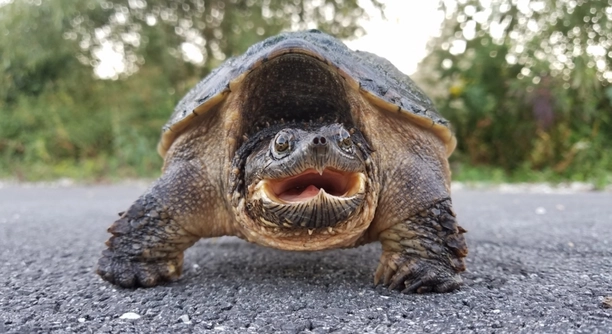
Common Snapping Turtles are fascinating creatures, but like all pets, they need proper care. One area of concern is skin infections, which can sometimes affect these turtles. Knowing the signs of an infection is important for their health.
To tell if your common snapping turtle has a skin infection, look for signs like swelling, redness, sores, or a change in the texture of the skin. A clear infection may also cause abnormal behavior or appetite loss.
Proper care can help prevent infections, and treating them early can make a big difference in your turtle’s health. Keep reading for tips on how to identify and address these issues quickly.
Identifying the Early Signs of Skin Infection
When a snapping turtle develops a skin infection, catching it early is essential for a quick recovery. Some of the first signs to look out for include swelling or redness on the skin. This could be a sign that bacteria or fungi are starting to cause trouble. Infected areas might also feel soft or appear discolored, often turning darker or lighter than usual. Additionally, you might notice changes in your turtle’s behavior. If it becomes more lethargic, has trouble swimming, or stops eating, these could be indicators that something is wrong.
Early identification can help prevent more serious health issues. If you notice anything unusual, it’s best to consult a vet.
Keeping an eye on your turtle’s health is key to preventing infections. Small changes in behavior or appearance may seem insignificant at first, but they often point to bigger problems. The sooner you notice these signs, the sooner you can address them and keep your snapping turtle happy and healthy.
Causes of Skin Infections in Snapping Turtles
Skin infections in snapping turtles can happen for several reasons. Poor water quality is one of the main causes. If the water in your turtle’s tank isn’t cleaned regularly, bacteria and fungi can build up, causing infections. Another common reason is physical injury. If your turtle gets scraped or injured, bacteria can easily enter through the wound and cause an infection. Stress, caused by changes in the environment or poor nutrition, can also weaken the immune system, making the turtle more susceptible to infections.
To prevent skin infections, make sure your turtle’s living space is clean and that they are eating a balanced diet. Regularly check for any injuries or wounds that could lead to infection. Creating a low-stress environment is also important.
Regular maintenance of your turtle’s habitat will ensure their skin remains healthy. Clean water, proper filtration, and avoiding overcrowding can help prevent infections. Always be proactive in checking your turtle for any physical damage or signs of stress, as these can lead to problems down the road.
How to Treat a Skin Infection in Your Snapping Turtle
If you notice signs of a skin infection, it’s crucial to act quickly. The first step is to isolate your turtle in a clean tank with fresh, filtered water. Make sure the temperature and water conditions are ideal to prevent further stress. Avoid handling the turtle too much during this time, as it could cause additional stress or injury.
After isolating your turtle, consult a vet for proper diagnosis and treatment. The vet might recommend topical treatments like antiseptic creams or ointments for minor infections. For more serious infections, antibiotics might be needed. Following the vet’s advice is key to healing your turtle safely and effectively.
Keep an eye on your turtle’s condition throughout the treatment process. If the infection isn’t improving or gets worse, contact the vet again. Sometimes a change in water conditions, diet, or handling habits can help your turtle recover faster. Regular checkups may be necessary to ensure that the infection is fully healed.
Preventing Future Skin Infections
Prevention is always better than treatment, and there are several ways to reduce the risk of skin infections. The most important step is maintaining clean water. Make sure the water in your turtle’s tank is changed regularly and filtered to keep bacteria levels low. This helps prevent infections caused by poor water quality.
Proper nutrition also plays a big role in your turtle’s overall health. A balanced diet helps strengthen the immune system, making your turtle less likely to get infected. Make sure your snapping turtle is eating the right mix of proteins, vitamins, and minerals to stay strong. Avoid overfeeding, as it can lead to other health problems.
Reducing stress is another important factor. Turtles that are stressed are more vulnerable to infections. Try to provide a quiet, stable environment for your turtle. Avoid sudden changes in their habitat, and make sure they have plenty of space to swim and explore. This way, your snapping turtle stays healthier and more resilient to potential infections.
When to Seek Professional Help
If you notice your snapping turtle’s condition worsening or if the infection doesn’t improve after treatment, it’s time to consult a vet. Don’t wait too long, as untreated infections can cause severe damage or lead to further complications. A professional can provide a more accurate diagnosis and recommend effective treatment.
Delaying professional help can lead to more serious health issues. If your turtle stops eating or shows signs of pain, it’s especially important to seek veterinary assistance. A vet can help determine if the infection is bacterial, fungal, or something else entirely, guiding you to the right treatment.
The Role of Environment in Turtle Health
The environment your turtle lives in plays a huge role in preventing infections. Turtles need a clean, well-maintained tank with proper filtration and water temperature. If the tank is overcrowded or the water isn’t changed frequently, bacteria can build up quickly. Proper heating and UV light are also essential.
If your snapping turtle’s environment isn’t right, they may become more prone to infections. Make sure your turtle has enough space to roam and explore without feeling stressed. A proper environment promotes overall well-being and minimizes the risk of skin infections.
Keeping Your Snapping Turtle Healthy
Regular checks on your turtle’s skin can help spot early signs of infection. Look for changes in skin color, swelling, or sores. By catching potential issues early, you can address them before they become serious. This proactive approach helps keep your snapping turtle in the best possible health.
FAQ
What are the most common symptoms of a skin infection in snapping turtles?
The most common symptoms include redness, swelling, sores, or changes in skin texture. You may also notice your turtle becoming lethargic or having a decreased appetite. In severe cases, the skin might become discolored or develop ulcers. Pay attention to any unusual behavior, as it could also indicate an infection.
How can I prevent my snapping turtle from getting a skin infection?
To prevent skin infections, ensure your turtle’s habitat is clean and well-maintained. Regularly change the water and use a good filtration system to remove harmful bacteria. Also, check your turtle for any injuries, as wounds can lead to infections. A balanced diet and reducing stress are crucial for overall health.
Is it safe to use over-the-counter treatments for my turtle’s skin infection?
It’s important to consult a vet before using any over-the-counter treatments. Some products may not be suitable for reptiles or could cause further harm. A vet can recommend the right treatment, whether it’s a topical medication or something more serious, depending on the severity of the infection.
How long does it take for a snapping turtle to recover from a skin infection?
Recovery time depends on the severity of the infection. Minor infections may heal within a few weeks with proper treatment, while more severe infections could take longer. It’s important to follow the vet’s advice and be patient. Keep monitoring your turtle’s condition to ensure progress.
Can stress cause a skin infection in my snapping turtle?
Yes, stress can make your turtle more vulnerable to infections. Stress weakens the immune system, leaving the turtle open to bacteria or fungi that can cause infections. To reduce stress, ensure your turtle has a stable environment, proper tank conditions, and enough space to swim and explore.
Can I use salt baths to treat a skin infection in my snapping turtle?
Salt baths can be beneficial for minor skin infections, but they should only be used with caution. Make sure to use the correct amount of salt and not to leave your turtle in the bath for too long. Always consult a vet before trying this treatment to ensure it’s appropriate for your turtle’s condition.
What should I do if my turtle refuses to eat during a skin infection?
If your snapping turtle isn’t eating, it may be a sign of discomfort or illness. Make sure the water temperature is suitable and that the tank conditions are optimal. If the turtle continues to refuse food, take it to a vet. Dehydration or lack of proper nutrition can slow recovery.
How can I tell if the infection is getting worse?
If the infection worsens, you might see increased swelling, pus, or even open sores on the skin. Your turtle may become more lethargic and show signs of distress. If the infection is spreading or not improving, it’s time to seek professional help to prevent further damage.
Can a skin infection spread to other turtles in the same tank?
Yes, skin infections can spread to other turtles, especially if the water quality is poor or if the infected turtle has open wounds. To prevent this, isolate the infected turtle and maintain a clean tank. Regularly clean the tank and change the water to reduce the chances of spreading bacteria or fungi.
What are the best tank conditions for a snapping turtle to prevent skin infections?
The best tank conditions include clean, filtered water with a proper temperature range (around 75°F to 80°F). The tank should also have enough space for the turtle to swim and bask. Provide a UVB light to support healthy skin and shell, and ensure the water is changed regularly to prevent bacterial growth.
Can poor diet contribute to a skin infection in snapping turtles?
Yes, a poor diet can weaken your turtle’s immune system, making it more susceptible to infections. Feeding your snapping turtle a balanced diet, including proteins, vitamins, and minerals, helps keep its immune system strong. A healthy diet supports the turtle’s overall well-being and reduces the risk of infection.
Are there any natural remedies for treating skin infections in turtles?
While there are some natural remedies, such as herbal antiseptics or saltwater baths, it’s essential to consult a vet before trying them. Natural treatments may not be effective for all types of infections and could cause harm if used incorrectly. A vet can recommend safe, appropriate remedies for your turtle’s specific needs.
How do I handle my snapping turtle while it has a skin infection?
During an infection, it’s best to minimize handling your snapping turtle as much as possible. Handling can cause further stress or injury, especially if the infection is near a wound. Only handle the turtle when necessary for treatment or tank maintenance. Always wash your hands afterward to prevent spreading germs.
Can my snapping turtle live with a skin infection long-term?
If untreated, a skin infection can lead to long-term health problems and even be life-threatening. Chronic infections can cause permanent damage to the skin, shell, or internal organs. It’s crucial to treat any skin infection as soon as possible to avoid complications. Regular veterinary care is key to preventing long-term damage.
Can I prevent my snapping turtle from getting a skin infection while outside?
If your snapping turtle spends time outdoors, make sure it’s in a clean, safe environment. Avoid areas with stagnant water or high bacterial content. Always monitor your turtle for injuries or signs of infection after outdoor exposure. Bringing them back indoors to a clean, controlled environment can help prevent infections.
Final Thoughts
Taking care of a snapping turtle involves paying close attention to its environment and health. Skin infections are one of the issues that can arise if proper care isn’t maintained. While they can be concerning, they are manageable if caught early. Monitoring your turtle’s behavior, skin condition, and tank environment can help you spot potential problems before they become serious. Regular water changes, proper tank conditions, and a balanced diet are essential in preventing infections. If you notice any signs of infection, it’s important to act quickly to avoid complications.
The most important step in treating a skin infection is to seek professional help when needed. A vet can provide the correct diagnosis and recommend treatments that will be effective. While some infections may be treatable at home, others may require antibiotics or other medical attention. It’s always safer to err on the side of caution when dealing with your turtle’s health. Even small changes in the way your turtle behaves or its appearance can be a sign of a deeper issue that needs to be addressed. Early treatment can prevent long-term health problems and keep your turtle happy and healthy.
Preventing future skin infections is all about creating the right environment for your snapping turtle. This means maintaining clean water, providing proper heating, and ensuring they have enough space to move around. A low-stress environment and proper diet go a long way in keeping your turtle in good health. Regular checks and a proactive approach to their care can help you avoid many common health problems. Keeping your snapping turtle in optimal conditions will help ensure they stay healthy, active, and free from skin infections. Taking these steps will make a noticeable difference in their well-being.

Hello,
If you enjoy the content that we create, please consider saying a "Thank You!" by leaving a tip.
Every little bit helps us continue crafting quality advice that supports the health, happiness, and well-being of pets around the world, for pets of all shapes, sizes, and species.
We really appreciate the kindness and support that you show us!