
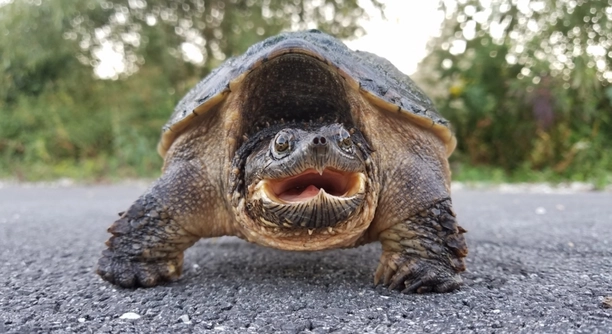
Common snapping turtles are fascinating creatures, but maintaining their habitat can be tricky. One key aspect is ensuring the environment is not too dry, as it can negatively impact their health.
If your snapping turtle’s habitat is too dry, it can lead to dehydration and stress. This can cause health issues such as lethargy, shell problems, or even difficulty shedding. The habitat must have adequate moisture levels for their well-being.
A well-maintained environment will help keep your turtle healthy and happy. Understanding how to balance humidity and moisture in the habitat is important for their overall care. Keep reading for tips on maintaining the right conditions.
Understanding the Importance of Moisture for Your Snapping Turtle
A common mistake many turtle owners make is underestimating the importance of moisture in their snapping turtle’s habitat. These turtles thrive in environments that mimic the natural wetlands where they are found. In the wild, they spend time in shallow waters and damp areas, so their habitat should reflect that. If the environment is too dry, it can lead to a variety of health problems, including dehydration, shell issues, and skin conditions.
Without the right moisture levels, your snapping turtle may begin to show signs of stress, such as lethargy or difficulty moving. It’s essential to replicate the humidity and moisture levels of their natural habitat, which is typically high in wetland areas. Ensuring there is a water source they can access is just as important as providing them with dry spaces to bask in.
When setting up the habitat, use substrates like coconut husk or moss that hold moisture. This will help maintain the humidity levels. Also, regularly mist the enclosure and ensure it has areas for your turtle to submerge itself. The water should be clean and filtered to avoid bacteria growth. Adding a small pond or a water dish large enough for them to enter and soak in can help keep them hydrated.
Identifying the Signs of Dryness in Your Snapping Turtle
If you notice changes in your turtle’s behavior or appearance, it’s a sign the habitat may be too dry.
A dry habitat can cause skin shedding issues and even difficulty with breathing for your snapping turtle. Their skin will start to appear dry or cracked, and they may spend more time in the water to compensate. A well-moisturized environment encourages natural skin shedding and proper breathing. Keep an eye on your turtle’s activity level as well; if they seem less active or sluggish, the habitat may be lacking in moisture.
How to Maintain Proper Humidity in Your Turtle’s Habitat
To keep your turtle’s habitat properly humid, regularly mist the environment. A consistent moisture level is key for their well-being.
You can use a spray bottle to mist the habitat once or twice a day. Aim for areas where your turtle likes to bask. If your turtle has access to a water dish or shallow pool, it will help maintain moisture in the air. Adding a humidifier is a great way to ensure constant humidity, especially in drier climates. Also, placing damp moss or coconut husk on the substrate will help retain moisture.
Keep the humidity at around 50-70% for optimal conditions. You can monitor this using a simple hygrometer. This will help you know when it’s time to add more moisture to the environment, especially if you live in an area with low humidity.
Adjusting the Temperature for Better Moisture Retention
Temperature plays a significant role in maintaining humidity levels. Keep your turtle’s habitat at the right temperature range.
The basking area should be around 85°F to 90°F, and the cooler end of the tank should range from 75°F to 80°F. This will encourage your turtle to move between warm and cooler areas, creating natural humidity fluctuations. You can use a heat lamp or an under-tank heater to regulate the temperature. A proper temperature gradient also encourages your turtle to bask and absorb heat, which helps with skin shedding.
Ensure the water temperature stays between 75°F and 80°F, as water that’s too cold will prevent proper hydration. Cold water can also stress your turtle, making them less likely to drink or stay hydrated.
Choosing the Right Substrate for Moisture Retention
The substrate you use plays a big part in maintaining moisture in your turtle’s habitat.
Coconut husk, cypress mulch, and sphagnum moss are excellent choices. These substrates hold moisture and create a damp environment that your turtle can thrive in. Avoid using sand or gravel, as they do not retain moisture well and can dry out quickly.
By choosing a substrate that holds moisture, you help create a more stable environment for your snapping turtle. It’s also a good idea to mist the substrate regularly to keep the humidity levels in check.
Providing Access to Water
Water is crucial for your turtle’s hydration and overall health.
Ensure your turtle has access to clean water for soaking. It’s important that the water is large enough for your turtle to fully immerse itself, especially during hot weather. Regular water changes are necessary to prevent bacteria build-up and maintain clean water.
Adding a Small Pond or Shallow Pool
A small pond or shallow pool can help keep your turtle hydrated.
By adding a shallow pool or pond, your turtle can have easy access to water without being stressed. It also provides an area where they can naturally submerge themselves when needed. Make sure the water is easy to access, with no sharp edges or barriers that might cause injury.
FAQ
How can I tell if the humidity in my turtle’s habitat is too low?
If the humidity is too low, your turtle may show signs of dehydration, such as lethargy or dry, cracked skin. You might also notice that they are spending more time in the water. Additionally, if the shell starts to look dull or flaky, this is another sign that the environment is too dry. Keep an eye on the overall activity level of your turtle, as a drop in energy can indicate a lack of proper moisture.
Can I use regular tap water for my turtle’s habitat?
Tap water can be used, but it’s important to ensure it is dechlorinated. Chlorine and chloramines found in regular tap water can harm your turtle. You can either let the water sit for 24 hours to allow chlorine to evaporate or use a water conditioner specifically designed for reptiles to neutralize harmful chemicals. Always check the water quality, as any harmful substances in tap water can negatively impact your turtle’s health.
Is it necessary to provide a basking area in my turtle’s habitat?
Yes, a basking area is essential for your turtle’s well-being. They need a dry spot to absorb heat from a heat lamp, which helps regulate their body temperature and aids in digestion. The basking area should be large enough for your turtle to fully stretch out and warm up. Without it, your turtle can become stressed, and their health may suffer. Make sure the basking area is at the correct temperature, around 85°F to 90°F, to ensure they can warm up properly.
How often should I mist my turtle’s habitat?
You should mist the habitat once or twice a day, depending on the humidity levels in your home. If you live in a dry climate, misting more frequently may be necessary. It’s also helpful to mist the substrate directly, as this helps maintain moisture in the areas where your turtle likes to rest. Be mindful not to overdo it—too much moisture can create mold, so aim for a balance that keeps the environment comfortably humid without making it too soggy.
What kind of water should I use for my snapping turtle’s water dish or pond?
Always use clean, dechlorinated water for your turtle’s pond or water dish. You can use tap water as long as it has been treated to remove chlorine or chloramines. If possible, use filtered water to maintain the best water quality. A water filter in the pond will help keep it clean, reducing the need for frequent water changes. It’s crucial that the water is free from chemicals that can cause harm to your turtle’s health.
Can a dry habitat cause my turtle to stop eating?
Yes, a dry habitat can lead to a lack of appetite in your turtle. Stress from dehydration and an uncomfortable environment can cause your turtle to become lethargic and refuse food. If you notice your turtle is eating less or not eating at all, it may be a sign that the humidity levels are too low or the water is not clean enough. Proper humidity, temperature, and water conditions are essential to maintaining a healthy appetite and digestive system.
How often should I clean my turtle’s water?
It’s important to clean your turtle’s water at least once a week, but more frequent cleanings may be necessary depending on the size of the water dish or pond and how active your turtle is. If you notice the water becoming murky or if there is waste building up, clean it sooner. Using a filter can help maintain clean water, reducing the frequency of full water changes. Always ensure the water is free from harmful bacteria by changing it regularly.
What type of substrate is best for maintaining moisture?
Substrates like coconut husk, sphagnum moss, or cypress mulch are excellent for maintaining moisture in your turtle’s habitat. These materials absorb and hold moisture well, helping to keep the humidity levels up. Avoid using sand or gravel, as they dry out too quickly and do not retain moisture. If you want to create a more natural environment, a mix of different substrates can be used to give your turtle various textures to explore.
Can I use a humidifier for my turtle’s habitat?
Yes, a humidifier can be a helpful tool to maintain consistent moisture levels in your turtle’s habitat, especially if you live in a dry area. Set it up near the enclosure to keep the air moist and regulate humidity levels. A humidifier will ensure that your turtle’s habitat remains comfortable without the need for constant misting. Make sure the humidity stays between 50-70% for optimal health.
What happens if I don’t maintain the right humidity levels?
If humidity levels are too low, your turtle may experience dehydration, skin issues, and stress. This can lead to a lack of appetite, lethargy, and a weakened immune system. On the other hand, if the habitat becomes too humid, it can lead to mold growth, respiratory problems, and a breeding ground for harmful bacteria. Balancing the humidity levels is crucial for maintaining a healthy environment for your turtle.
Final Thoughts
Ensuring your snapping turtle’s habitat is not too dry is essential for their overall health. When the environment lacks enough moisture, it can lead to dehydration, skin issues, and other health problems. Regularly checking the humidity levels, providing access to clean water, and ensuring that the basking areas are set at the proper temperature are some of the best ways to keep your turtle comfortable and healthy. Simple adjustments, like adding a water dish or misting the habitat, can go a long way in maintaining the right conditions.
It’s also important to choose the right substrates that help retain moisture, like coconut husk or sphagnum moss. These materials will not only keep the humidity levels up but also create a more natural environment for your turtle. Make sure to avoid using dry materials such as sand or gravel, as they don’t help with moisture retention and can actually make the habitat drier. Keep the space clean and monitor the humidity regularly with a hygrometer to ensure that your turtle’s habitat remains at the right moisture level.
Taking care of a snapping turtle requires attention to detail, but with the right setup, your turtle will thrive. Keep the habitat clean, offer plenty of water, and ensure that moisture levels are consistent. By doing so, you’ll help your snapping turtle live a healthy, happy life.

Hello,
If you enjoy the content that we create, please consider saying a "Thank You!" by leaving a tip.
Every little bit helps us continue crafting quality advice that supports the health, happiness, and well-being of pets around the world, for pets of all shapes, sizes, and species.
We really appreciate the kindness and support that you show us!