
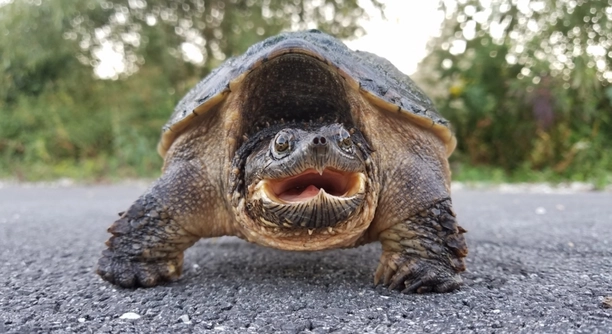
Snapping turtles are unique pets that require specific care, including the right tank setup. One key element of their habitat is choosing the right rocks, which provide both function and aesthetics. Here are some options to consider.
The best types of rocks for a common snapping turtle tank include slate, river rocks, and limestone. These rocks offer stability, climbing areas, and beneficial hiding spots for the turtle. They should be smooth and non-toxic to ensure safety.
Choosing the right rocks for your snapping turtle tank can improve both its appearance and your turtle’s well-being. Keep reading to find out more about which rocks will work best for your tank setup.
Slate Rocks: A Stable Option for Snapping Turtles
Slate rocks are an excellent choice for a common snapping turtle tank. They are durable and provide a natural, flat surface that turtles can easily climb on or rest. The smooth texture ensures there are no sharp edges that could harm the turtle. Slate can also help stabilize water temperature by absorbing heat from the environment. This can be especially beneficial if you’re looking to create a warm basking spot for your turtle. As an added bonus, slate is easy to clean and maintain, making it a low-maintenance rock choice.
While slate is durable, it is important to ensure that the rocks are securely placed in the tank to avoid any potential shifts. If you are using multiple pieces, consider stacking them carefully to create more space for your turtle to move around. Proper placement can also prevent the rocks from tipping over.
Overall, slate rocks are one of the best choices for a snapping turtle tank. Their versatility, easy maintenance, and safe, flat surfaces make them a popular option for many turtle keepers.
River Rocks: A Natural Habitat Look
River rocks can also be a great addition to your turtle tank. These rocks are often smooth and rounded, mimicking a natural riverbed.
River rocks come in various sizes and colors, which can help create a more aesthetically pleasing tank. Their irregular shape provides hiding spots and climbing areas for your turtle.
Limestone Rocks: Natural and Functional
Limestone rocks are another good option for your turtle tank. They provide a sturdy, natural surface and can help maintain water quality by slightly raising the pH levels. Their porous structure also offers plenty of hiding spots.
One thing to keep in mind when using limestone is its tendency to break down over time, especially in high-acid water. It’s important to monitor the tank’s pH and replace limestone rocks when they start deteriorating. Despite this, limestone is a solid choice for creating a more natural environment for your turtle.
Because limestone can affect water quality, it’s important to test the water regularly. This will help you ensure that the water remains safe for your snapping turtle. If the pH becomes too high, you may need to adjust the water chemistry to avoid potential health issues for your turtle.
River Rocks vs. Slate Rocks: Which Is Better?
Both river rocks and slate rocks offer advantages, but they serve slightly different purposes. River rocks are excellent for creating a natural look and providing a variety of hiding places. They are also ideal for making the tank feel like a more natural habitat.
On the other hand, slate rocks are more stable and easier to arrange. They provide a solid surface for your turtle to bask on or rest. Slate also tends to be more durable and less likely to break down over time compared to river rocks.
Smooth Rocks: Safe for Your Turtle
Smooth rocks are essential for creating a safe environment in your turtle tank. They should be free from sharp edges that could injure your turtle. The smoother the surface, the better it is for your snapping turtle to climb on and bask without risk.
These rocks are easy to clean, which makes maintenance simpler. They also provide your turtle with a variety of surfaces to explore and use for hiding. Smooth rocks are typically safer than rough-textured rocks, as they prevent scratches and wounds.
Large Rocks: Stability and Structure
Large rocks are perfect for creating a sturdy structure in the tank. These rocks can be arranged to create different levels, providing your turtle with climbing opportunities and safe areas to hide. They add depth and dimension to the tank setup, making the environment more engaging for your turtle.
While large rocks are beneficial, make sure they are securely placed to avoid any risk of shifting or falling. If stacked, ensure they are stable and won’t collapse under the turtle’s weight. Stability is key to preventing any potential accidents in the tank.
Choosing Non-Toxic Rocks
When selecting rocks, ensure they are non-toxic to avoid any harm to your turtle. Some rocks, such as granite, can contain minerals that may leach into the water and affect its quality. Non-toxic rocks are safer and easier to manage, keeping the environment healthy.
FAQ
What type of rocks should I avoid for a snapping turtle tank?
Avoid rocks that are sharp, jagged, or contain harmful minerals. Rocks like granite or any material that might leach toxins into the water should not be used. Also, avoid rocks that are overly porous, as they may trap debris and bacteria, making cleaning difficult.
Are river rocks safe for snapping turtles?
Yes, river rocks can be safe for snapping turtles, as long as they are smooth and non-toxic. They offer natural hiding spots and climbing areas. Just make sure the rocks are not too large or heavy, as they could shift and possibly harm your turtle.
How do I clean the rocks in my turtle tank?
To clean the rocks, remove them from the tank and scrub them with a soft brush and warm water. Avoid using any chemicals or soaps, as these can be harmful to your turtle. For stubborn stains, you can soak the rocks in vinegar diluted with water to remove buildup.
Can I use coral or seashells in a snapping turtle tank?
It’s best to avoid coral and seashells in a snapping turtle tank. Coral can affect water chemistry, and seashells may contain sharp edges that could injure your turtle. While they may look decorative, they aren’t practical or safe for a turtle habitat.
Do I need to worry about the pH of the water when using limestone rocks?
Yes, limestone rocks can alter the pH of the water by raising it. While this may be beneficial for some aquarium setups, it can cause problems for snapping turtles, which prefer neutral to slightly acidic water. It’s important to regularly monitor the water’s pH and adjust as needed.
Can I use plastic rocks or decorations instead of natural rocks?
Plastic rocks and decorations can be an alternative, but they often don’t provide the same benefits as natural rocks. They lack the texture and stability that turtles need for climbing and resting. Additionally, plastic decorations may be harder to clean and may degrade over time.
How can I tell if a rock is safe for my snapping turtle?
To ensure a rock is safe, look for smooth surfaces without sharp edges. Make sure the rock is not too porous or rough. Also, ensure that the rock is non-toxic by researching its mineral content. When in doubt, test the rock in a separate tank first.
How many rocks should I put in my turtle tank?
The number of rocks you need depends on the size of the tank and the turtle’s needs. A good rule of thumb is to have enough rocks for your turtle to bask on, climb, and hide. Overcrowding the tank with rocks can make it difficult for the turtle to move around.
Can I use gravel in my snapping turtle tank?
Gravel is not recommended for a snapping turtle tank. Turtles often swallow small stones, which can lead to digestive issues or blockages. If you prefer a substrate, larger river rocks or a sandy bottom would be safer and more practical.
What other tank decor can I use with rocks for a snapping turtle?
In addition to rocks, consider adding aquatic plants, driftwood, or submerged logs to create a more natural environment. These items can provide hiding spots and places for your turtle to climb. However, always ensure they are safe for your turtle and won’t interfere with water quality.
Should I arrange the rocks in a specific way in the tank?
Yes, arranging rocks in a way that creates multiple levels or platforms for your turtle to climb on is ideal. Try to create natural-looking spaces for your turtle to hide and bask. Avoid stacking rocks too high, as this can cause instability and risk injury to your turtle.
Are there any rocks that can help filter the water?
Some rocks, like lava rocks or certain types of porous stone, can help filter the water naturally by promoting beneficial bacteria growth. These bacteria help break down waste and improve water quality. However, they should still be cleaned regularly to prevent buildup of debris.
How often should I replace the rocks in the tank?
As long as the rocks are not deteriorating or affecting water quality, they can last for a long time. However, it’s a good idea to inspect them periodically for any cracks or changes in texture. If the rocks begin to break down or leach chemicals, it’s time to replace them.
Can I use rocks to make hiding spots for my turtle?
Yes, rocks can be used to create hiding spots in the tank. By stacking or arranging rocks, you can form natural caves or shelters that your turtle can retreat to when it needs privacy or feels stressed. Just make sure the hiding spots are large enough for your turtle to move freely inside.
Do I need to worry about the size of the rocks?
Yes, the size of the rocks matters. Large rocks that are too heavy or unevenly placed can be dangerous if they shift. Small rocks that could be ingested are also a concern. Choose rocks that are large enough to stay in place and too big to be eaten.
What rocks provide the best basking spots?
Slate rocks are often the best for basking because they provide a smooth, stable surface for your turtle. You can arrange them at different levels to create a basking platform that’s easy for your turtle to access.
How can I make my turtle’s tank look natural?
To make the tank look more natural, combine rocks with aquatic plants, driftwood, and branches. You can also add substrate like sand or fine gravel to mimic the turtle’s natural environment. This setup will give your turtle plenty of options for hiding, resting, and exploring.
Can I use rocks from my yard for the turtle tank?
Using rocks from your yard is not always safe, as you cannot be sure if they contain harmful minerals or toxins. Additionally, yard rocks may have sharp edges or rough textures that can harm your turtle. It’s better to buy rocks specifically designed for aquarium use.
Should I place rocks near the water filter?
Placing rocks near the water filter can help create a more stable environment by providing areas for beneficial bacteria to grow. However, make sure that the rocks are not blocking water flow or interfering with the filter’s performance. Proper water circulation is crucial for your turtle’s health.
Final Thoughts
When choosing rocks for your snapping turtle tank, it’s important to prioritize safety and functionality. Smooth, non-toxic rocks are ideal because they offer a stable environment for your turtle without posing any risk of injury. Avoid sharp-edged or highly porous rocks, as these can cause harm or collect bacteria. The right rocks will provide hiding spaces, climbing areas, and basking spots, making your turtle’s habitat both functional and natural.
Take into consideration the overall setup of the tank. Rocks can help improve water quality, provide beneficial bacteria growth, and create a more enriching environment for your turtle. However, regular cleaning is essential to prevent the buildup of waste and debris. It’s also important to monitor the size and weight of the rocks to ensure they remain stable and secure, as shifting rocks could potentially harm your turtle. Additionally, rocks should not take up too much space in the tank, leaving enough room for your turtle to swim freely and comfortably.
By considering the needs of your snapping turtle and the safety of the materials, you can create an ideal living environment. Remember to observe your turtle’s behavior and make adjustments as needed. Over time, you may find that the rock setup works well, or you may choose to make improvements to enhance your turtle’s habitat. With the right combination of rocks and other elements, your turtle will thrive in a healthy and stimulating tank.

Hello,
If you enjoy the content that we create, please consider saying a "Thank You!" by leaving a tip.
Every little bit helps us continue crafting quality advice that supports the health, happiness, and well-being of pets around the world, for pets of all shapes, sizes, and species.
We really appreciate the kindness and support that you show us!