
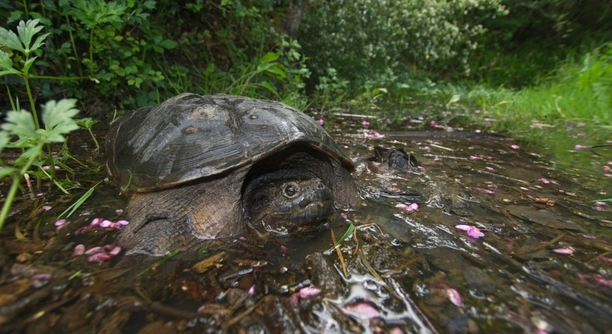
Common snapping turtles are fascinating creatures, but their behaviors can sometimes leave owners scratching their heads. If you notice your turtle flicking its tail, you may wonder what’s going on.
Tail flicking in common snapping turtles is typically a sign of communication or stress. It may be used as a defensive mechanism, or it could be a way to signal discomfort or irritability. This behavior is natural and varies with each turtle.
Understanding the reasons behind your turtle’s tail flicking can help you ensure its well-being. From stress management to natural instincts, there are several factors to consider. Keep reading for more insights on this behavior.
Why Do Turtles Flick Their Tails?
Tail flicking in common snapping turtles is often a response to certain stimuli. These turtles can be quite sensitive to their environment, so this behavior may happen when they feel stressed, threatened, or agitated. The tail is a key part of their defense mechanism, helping them to communicate their discomfort. It’s also important to note that tail flicking can occur when a turtle is in unfamiliar surroundings or when its personal space is being invaded, either by other animals or even humans.
Even if your turtle is well-cared for, it may flick its tail out of instinct. This behavior can become more frequent if the turtle feels unsafe or cornered. Snapping turtles are not the most social creatures and may find close interactions with humans or other animals unsettling. Environmental changes or improper tank conditions can also trigger tail flicking. For example, too much noise, bright lights, or overcrowded tanks may cause stress, prompting your turtle to act out with its tail.
If you observe your snapping turtle flicking its tail, consider its habitat and routine. Make sure your turtle’s environment is calm and stable. Pay attention to how often it happens and whether any changes in its surroundings are triggering the behavior. Sometimes, reducing noise or providing a space where your turtle feels safe can decrease this stress-related response.
Stress and Its Impact on Behavior
Stress can be a major factor influencing tail flicking in turtles.
Turtles, like many animals, are sensitive to environmental changes. A sudden shift in their habitat, such as a change in temperature or lighting, can cause stress, which may result in flicking their tails. This is a natural response to discomfort or unease.
Environmental Factors
The environment plays a significant role in a turtle’s behavior, including tail flicking.
If the water temperature in the turtle’s tank is too high or low, this can cause stress. Turtles are very sensitive to changes in their habitat, and an improperly maintained tank might make them flick their tails more often. Even water quality, such as high levels of ammonia or poor filtration, can contribute to a turtle feeling uneasy. It’s important to keep the tank at the right temperature, ensure proper filtration, and monitor the water for cleanliness.
Keeping your turtle’s habitat clean and maintaining a consistent environment helps reduce stress. Make sure the water temperature stays within the recommended range, which is typically between 70°F to 80°F. Regular cleaning and water changes will also help keep the tank fresh and safe. Proper UVB lighting will aid in digestion and overall health, while a calm and quiet environment will allow your turtle to feel more at ease. Pay attention to these factors to minimize tail flicking.
Social Interactions
Turtles are not highly social animals, and frequent handling can cause them to feel stressed.
While it’s tempting to interact with your pet turtle, it’s best to limit handling. Over time, snapping turtles can become more agitated if constantly disturbed. This might lead to excessive tail flicking or even other signs of stress. Snapping turtles, in particular, are known for being more solitary and can become defensive when they feel crowded or threatened. Allowing them time to adjust to their space and environment is key to keeping them calm.
You should let your snapping turtle explore its space and avoid unnecessary handling. This allows it to feel secure and less likely to flick its tail. If you need to handle your turtle, always be gentle and use a calm approach. Respecting their need for solitude can prevent stress-induced behaviors and help maintain a peaceful environment for your pet. Keeping social interactions to a minimum will keep your snapping turtle more relaxed.
Tank Size
A small tank can lead to stress and excessive tail flicking in snapping turtles.
Snapping turtles need enough space to move around comfortably. A cramped tank can make them feel trapped, increasing their stress levels. They may start flicking their tails as a way to express their discomfort. Ensuring your turtle has ample room to swim and explore is essential for its well-being.
Providing your turtle with a larger tank gives it more freedom to move, which can help reduce tail flicking. A minimum of 75 gallons is recommended for an adult snapping turtle. Adding hiding spots and objects like rocks and logs can also help create a more natural and comfortable environment.
Feeding Issues
Improper feeding can contribute to stress-related behaviors, including tail flicking.
If your turtle’s diet lacks variety or nutrients, it may become stressed, leading to behaviors like tail flicking. A poor diet can also affect their overall health, causing anxiety or irritability. Make sure to provide a balanced diet rich in protein, vegetables, and calcium.
FAQ
Why is my turtle flicking its tail?
Tail flicking in snapping turtles is usually a sign of discomfort or stress. It can happen when the turtle feels threatened or is trying to communicate. Snapping turtles often use their tails to express unease or irritation, especially when they are in an unfamiliar or uncomfortable environment.
Can stress cause my turtle to flick its tail frequently?
Yes, stress is one of the most common causes of tail flicking. Turtles are sensitive to changes in their surroundings. If there are environmental factors like poor water quality, incorrect temperatures, or frequent handling, your turtle may flick its tail as a way to signal stress.
Is tail flicking harmful to my turtle?
Tail flicking itself is not harmful, but if it occurs too frequently or is paired with other signs of distress, it may indicate an underlying problem. Prolonged stress can lead to health issues for your turtle, so it’s important to address the causes of its discomfort.
How can I reduce my turtle’s stress?
To reduce stress, focus on creating a stable environment. Maintain proper water temperature, ensure the water is clean, and minimize disruptions in its habitat. Avoid frequent handling, and ensure your turtle has enough space to swim freely. Adding hiding spots or objects can make it feel more secure.
Does my turtle need to be socialized?
Snapping turtles are solitary creatures and do not require socialization. Over-handling or putting them in close proximity to other animals can cause stress and lead to tail flicking. It’s best to let your turtle enjoy its space and avoid unnecessary interaction.
Can I prevent tail flicking altogether?
While you can’t completely prevent tail flicking, you can reduce its frequency by providing a stable, calm environment. Addressing factors like stress, tank size, water quality, and diet will help your turtle feel more comfortable, which can minimize tail flicking behavior.
How often should I clean my turtle’s tank?
Regular tank maintenance is important for your turtle’s well-being. Clean the tank at least once a week to ensure the water stays fresh. Remove any waste, uneaten food, and debris from the tank. Change 20-30% of the water every two weeks to maintain optimal water quality.
What is the ideal temperature for a snapping turtle’s tank?
The ideal water temperature for a snapping turtle is between 70°F and 80°F (21°C and 27°C). It’s essential to maintain this range to keep your turtle comfortable and healthy. If the water gets too hot or too cold, it may stress your turtle and cause behavioral changes like tail flicking.
Should I be concerned if my turtle flicks its tail when I approach it?
It’s normal for snapping turtles to flick their tails when they feel threatened or unsure. However, if your turtle flicks its tail frequently when you approach or handle it, it could indicate stress. Consider giving it more space and observing its behavior to identify potential stressors in its environment.
Can I use calming methods to stop my turtle from flicking its tail?
There are no specific calming methods for turtles, but creating a peaceful environment can help. Keep the tank in a quiet area of the house, avoid loud noises, and minimize handling. Providing hiding spots or dark areas where your turtle can retreat may also help reduce anxiety and tail flicking.
Does tail flicking mean my turtle is in pain?
Tail flicking does not always indicate pain, but it can be a sign of stress, irritation, or discomfort. If your turtle is also showing signs of illness, such as lack of appetite, lethargy, or abnormal swimming, it may be in pain and require a vet’s attention.
Final Thoughts
Understanding your snapping turtle’s behavior, especially when it flicks its tail, can help you better care for your pet. Tail flicking is usually a sign of stress, discomfort, or communication. While it’s a normal part of their behavior, frequent tail flicking may indicate that something is off in their environment or routine. By observing your turtle and looking at factors like water quality, temperature, tank size, and social interactions, you can address the underlying causes of stress and help your turtle feel more comfortable.
Stress can come from many different sources. A change in its surroundings, too much noise, or even overcrowded tanks can all contribute to your turtle’s anxiety. It’s important to create a stable and quiet environment for your snapping turtle. Make sure the tank is large enough, the water is clean, and the temperature is kept within the right range. Also, try to limit unnecessary handling and give your turtle space to feel safe. When these factors are in place, your turtle will be less likely to flick its tail frequently.
Finally, always remember that a little tail flicking here and there is perfectly normal for snapping turtles. It’s just their way of expressing themselves. However, if you notice an increase in tail flicking along with other signs of distress, such as loss of appetite or lethargy, it might be time to evaluate its living conditions or consult a vet. Regular monitoring of your turtle’s behavior, along with a proper environment, will help ensure that your pet stays healthy and happy.

Hello,
If you enjoy the content that we create, please consider saying a "Thank You!" by leaving a tip.
Every little bit helps us continue crafting quality advice that supports the health, happiness, and well-being of pets around the world, for pets of all shapes, sizes, and species.
We really appreciate the kindness and support that you show us!