
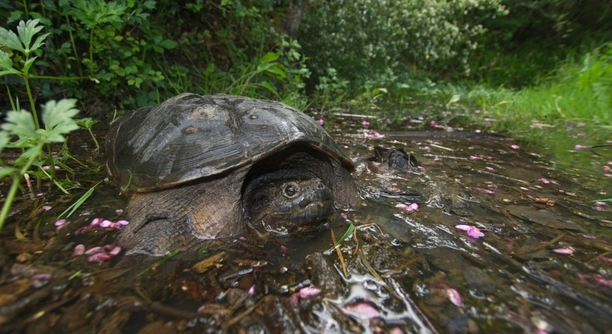
If you own a common snapping turtle, you may have noticed a curious clicking sound coming from it. This noise might leave you wondering about its cause and whether it’s something to be concerned about.
The clicking noise your snapping turtle makes is most commonly a sign of its natural behavior. Turtles often produce sounds while feeding, communicating, or even adjusting their shells. These clicks may also result from their jaw movements or shell adjustments.
Understanding the reasons behind these clicking noises can help you better care for your turtle. We’ll explore some of the most common causes and what they mean for your turtle’s well-being.
Common Reasons for Clicking Noises
Snapping turtles often make clicking sounds due to natural behavior. One of the most frequent reasons is the movement of their jaw. Turtles use their jaws to catch prey, and when they snap at something, the force can create a clicking sound. This noise can also be heard when they are chewing or shifting their jaw while eating. Another reason could be the sound of their shells moving. Turtles can shift and adjust their shells as they move, which might also produce these clicking noises. Lastly, snapping turtles sometimes make sounds as a form of communication. While they are not as vocal as other animals, they can make noises during interactions with their environment or when they feel threatened.
Sometimes, the clicking noise can also happen during more subtle movements like stretching or settling in their habitat. These movements might result in a slight click as they adjust to find a more comfortable position.
While this behavior is common, it’s always good to pay attention to any other signs that might suggest a health issue. Keeping an eye on your turtle’s overall health is important to ensure there are no underlying problems causing extra stress or discomfort. If your turtle continues to make unusual sounds or seems overly stressed, a vet’s consultation could be helpful.
When to Be Concerned
Though clicking noises are generally harmless, constant or severe clicking could signal an issue.
If you notice clicking noises that seem to happen more frequently or with extra force, it might be a sign of discomfort. This could be related to shell problems or other health concerns. Turtles can sometimes make clicking sounds if they are in pain, especially if there is an injury to their jaw or shell. Keeping an eye on their behavior will help you spot any potential problems early. Regular checks of their shell, jaw, and overall condition can make a big difference in catching health issues before they worsen.
Potential Health Issues
If your turtle’s clicking noises are accompanied by unusual behaviors, such as excessive lethargy or lack of appetite, it could point to health problems. Jaw or shell injuries might make it painful for them to eat or move normally, leading to more clicking as they adjust. Shell deformities or infections can also cause discomfort that may result in clicking sounds.
It’s important to keep an eye on the clicking pattern. If the sounds become more frequent or are accompanied by swelling, redness, or discharge from the mouth or shell, these could be signs of an infection. Infections in the mouth or shell can cause pain, making it difficult for the turtle to eat or move without discomfort. Getting a prompt diagnosis is essential for treating any underlying health issues before they worsen.
If you’re concerned about the health of your turtle, consider a vet visit to rule out any medical conditions. A professional can give you more insight into whether the clicking sounds are simply a part of normal behavior or something requiring attention. They may also recommend specific treatments if they suspect an infection or injury.
Environmental Factors
Environmental stress can also cause snapping turtles to make clicking sounds. A poor habitat or stressful surroundings can lead to anxiety, which may trigger the turtle to make more noises. Factors such as inadequate space, improper water temperature, or unsuitable tank conditions can increase stress.
Snapping turtles require a large, clean tank with enough room to move freely. If their environment is cramped or uncomfortable, they may become more stressed, which can cause them to make unusual sounds. Additionally, water temperature is crucial to a turtle’s health. If the water is too cold or too warm, the turtle may feel uncomfortable, leading to stress that could result in clicking noises. Lighting and humidity also play a role in their well-being, and a lack of proper lighting can make turtles feel insecure or stressed.
By adjusting their habitat to meet the turtle’s needs, you can help reduce stress and decrease the frequency of clicking sounds. Make sure to check for any signs of environmental issues that could be contributing to their behavior. Proper care will ensure your turtle feels safe and comfortable in its home.
Turtles’ Natural Behavior
Clicking sounds can be completely normal if your snapping turtle is simply going about its usual activities. Turtles use their jaws to catch and chew food, which can result in clicking noises. It is a sign of natural jaw movements during feeding or adjusting their position.
This clicking might also occur when they are moving around their habitat, adjusting their body, or shifting their shell. Snapping turtles have powerful jaws, and the sound of these movements can sometimes be louder than expected. If the sound is occasional and happens without any signs of distress, there’s no cause for concern.
The Role of Feeding
Feeding can often trigger clicking noises from snapping turtles. When they bite or chew, their jaws may produce sounds that are simply part of the eating process.
If you notice clicking while your turtle is eating, it’s likely just the sound of them consuming food. Ensure your turtle’s diet is balanced and that the food is appropriately sized to avoid jaw strain.
FAQ
Why is my turtle making clicking noises?
Clicking noises are often a normal part of a snapping turtle’s behavior. The most common reason is the movement of their jaws when feeding or adjusting to a comfortable position. Turtles use their jaws to catch food, and the sound of them snapping at prey or chewing can cause clicking. Additionally, turtles may make sounds as they shift their shells or move around their environment. As long as there are no signs of distress, such as changes in eating habits or behavior, the clicking noise is typically not a cause for concern.
How do I know if my snapping turtle is in pain?
If your snapping turtle is in pain, you might notice more than just clicking noises. Look for changes in behavior, such as lack of appetite, lethargy, or difficulty moving. If your turtle seems to be avoiding food, favoring a particular side, or showing signs of swelling or redness around the mouth or shell, these could be indications of injury or infection. It’s important to check for any visible wounds on the shell or mouth and monitor for other signs of discomfort. If you suspect pain or injury, it’s a good idea to consult a vet.
Can clicking noises mean my turtle is stressed?
Stress can be a factor in increased clicking sounds. If your turtle’s environment is too small, too hot or cold, or lacks proper lighting, it can cause stress. Snapping turtles are sensitive to environmental changes, and stress might make them more vocal or restless. You might also notice other signs of stress, like swimming in circles or hiding more often. To reduce stress, ensure that your turtle has a spacious, clean habitat with the right water temperature and proper lighting. A peaceful, safe environment can help reduce stress-induced noises.
Should I be concerned if my turtle clicks while eating?
Clicking while eating is generally normal for snapping turtles. They use their powerful jaws to catch and chew food, and this can often create a clicking noise. As long as the turtle is eating well and there are no signs of trouble, like difficulty chewing or swallowing, there is no need to worry. However, if the clicking sound is accompanied by hesitation, excessive drooling, or refusal to eat, it may indicate an issue such as mouth infection or jaw injury. In such cases, it’s important to observe your turtle closely and consult a vet if needed.
What can I do if my turtle is making clicking noises constantly?
If your snapping turtle is constantly making clicking noises, observe its behavior closely. Continuous clicking could indicate an issue with the jaw, mouth, or shell. First, check for any injuries or visible damage to the turtle’s shell or mouth. It’s also worth examining the turtle’s living conditions. A cramped or uncomfortable habitat could cause stress, leading to more frequent sounds. If you notice other symptoms like difficulty eating or swollen areas, it’s advisable to consult with a veterinarian to rule out infections or injuries.
Can I stop my turtle from making clicking noises?
It is not always possible to stop your turtle from making clicking noises, as they are often a natural part of its behavior. However, there are steps you can take to minimize them. If the sounds are related to feeding, consider adjusting the size and texture of the food to make it easier for your turtle to eat. Ensuring your turtle has a spacious, comfortable environment can also help reduce stress, which might reduce clicking sounds. If the noises seem to be caused by pain or discomfort, seeking a vet’s advice can address any health issues.
What kind of habitat does my snapping turtle need to avoid stress?
To prevent stress, your snapping turtle needs a spacious tank with clean water and proper temperature control. The water should be maintained between 70°F and 80°F, and the turtle should have access to both water and a dry basking area. A UVB light is essential for proper shell health and overall well-being. The tank should also have enough room for your turtle to move freely without feeling cramped. Ensure that the environment is calm and safe, as a stressed turtle is more likely to make unusual noises.
Can clicking sounds mean my turtle is communicating?
While snapping turtles are not highly vocal creatures, they can produce sounds to communicate in certain situations. Clicking noises can sometimes be a form of communication, especially when they are interacting with their environment or other turtles. If your turtle feels threatened or is trying to establish dominance, it may make clicking or other noises. However, this is less common than other reasons like feeding or shell movements. If your turtle is frequently clicking and showing signs of aggression or distress, it might be trying to communicate with its surroundings.
Do snapping turtles click when they are feeling threatened?
Yes, snapping turtles can produce clicking noises when they feel threatened. While these sounds might not be as loud or constant as those made while feeding or moving, they can be a sign of defensiveness. If a snapping turtle feels cornered or challenged, it might click its jaws in an attempt to warn off potential threats. This behavior is part of their natural defense mechanisms. If your turtle is clicking in response to human interaction, it may be a sign that it feels insecure or threatened. Giving the turtle space can help reduce this behavior.
Are there any common illnesses that cause snapping turtles to make clicking noises?
Certain illnesses can cause snapping turtles to make clicking sounds, especially if they affect the mouth or jaw. Respiratory infections, for example, might cause wheezing, clicking, or other sounds when the turtle breathes. Infections in the mouth or shell can also lead to clicking noises, particularly if they cause pain or discomfort. If you suspect an illness is the cause of the clicking, watch for other signs like swelling, discharge, or difficulty eating. Prompt treatment with a vet is necessary to address any health concerns and prevent further complications.
Final Thoughts
If your snapping turtle is making clicking noises, it’s usually a normal part of their behavior. These sounds are often caused by the movement of their jaws when they catch or chew food. Turtles use their powerful jaws to snap at prey, and this can result in a clicking sound. Similarly, they may make clicking noises when adjusting their shells or moving around their habitat. As long as the sound is occasional and your turtle is behaving normally, there’s no need to be overly concerned. It’s just part of how they communicate or interact with their surroundings.
However, it’s important to keep an eye on your turtle and pay attention to any changes. If the clicking becomes more frequent or is accompanied by other signs like loss of appetite, lethargy, or difficulty moving, this could indicate an underlying health issue. Turtles may make clicking sounds if they are in pain, especially from injuries or infections. It’s important to monitor their overall well-being and consult a vet if you notice any unusual behavior or signs of distress. Early detection can help prevent serious health problems.
Lastly, always ensure that your snapping turtle’s habitat is comfortable and stress-free. Stress from environmental factors like water temperature, lighting, or tank size can lead to more frequent clicking or other unwanted behaviors. Providing a spacious tank, clean water, and proper heating and lighting will help keep your turtle healthy and happy. By observing your turtle’s behavior and taking the right steps to care for it, you can ensure that the clicking sounds remain harmless and a natural part of its routine.

Hello,
If you enjoy the content that we create, please consider saying a "Thank You!" by leaving a tip.
Every little bit helps us continue crafting quality advice that supports the health, happiness, and well-being of pets around the world, for pets of all shapes, sizes, and species.
We really appreciate the kindness and support that you show us!