
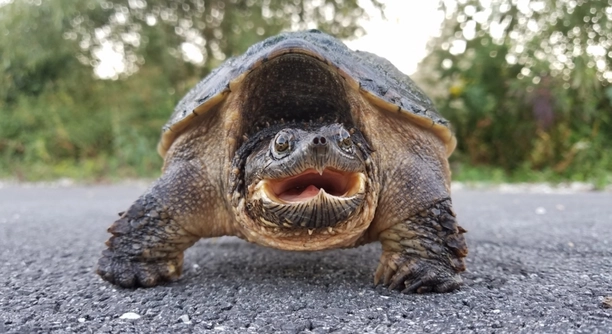
Common snapping turtles are fascinating creatures, but like all pets, they can face health issues. Recognizing the signs of illness early is crucial to keeping them healthy and happy. This guide will help you identify common signs of sickness in your turtle.
To tell if your common snapping turtle is sick, look for changes in behavior, appetite, or physical appearance. Symptoms like lethargy, loss of appetite, abnormal swimming, or shell deformities may indicate illness, requiring prompt veterinary attention.
Understanding these signs will help you ensure your snapping turtle stays healthy and thrives in its environment.
Changes in Behavior and Activity Levels
One of the first signs of illness in a common snapping turtle is a change in behavior. If your turtle is typically active but starts to hide or seems unusually lethargic, it may be unwell. A healthy turtle is curious, often swimming, basking, or exploring its environment. However, if your turtle is spending most of its time in one spot or avoids moving, it’s important to take notice. A drastic decrease in movement could indicate pain or discomfort. The same applies if your turtle is swimming erratically or struggling to stay afloat.
If the changes in behavior are drastic, it’s time to consider a veterinary check-up. A reduction in activity is often linked to various health issues like infections or poor water quality, which can stress the turtle. Monitoring your pet’s movements closely can help you identify problems before they worsen.
It’s essential to check their tank for signs of low water temperature or poor filtration. These factors can make your turtle feel unwell and contribute to lethargy. Adjusting their environment may resolve some behavioral issues, but if the lethargy persists, a vet should assess the situation.
Eating Habits and Appetite Loss
Another key indicator of illness in snapping turtles is a loss of appetite. If your turtle suddenly stops eating or becomes very picky, it could be sick. Just like humans, turtles can lose interest in food when they don’t feel well.
Changes in eating habits can point to internal issues such as infections or parasites. If your turtle refuses food for more than a day or two, it’s a red flag. A decrease in appetite can also occur when water conditions are poor, affecting the turtle’s overall well-being. You may also notice the turtle becoming more stressed or hesitant to approach food.
To help pinpoint the cause, observe other factors like water temperature or possible tankmates that may be stressing the turtle. If food refusal continues, bring the turtle to a vet to rule out any serious conditions, such as digestive problems or internal infections.
Shell Condition and Abnormalities
If you notice changes in your turtle’s shell, it’s important to act quickly. A healthy shell should be smooth and hard, without cracks or soft spots. Any unusual growths, discoloration, or damage could indicate an underlying health issue, such as shell rot or injury.
Shell rot is often caused by bacterial infections and can progress quickly if untreated. The shell may appear soft, discolored, or develop a foul smell. If the turtle’s shell looks damaged or starts to soften, a trip to the vet is necessary. Keeping the tank clean and maintaining proper humidity can help prevent such problems.
It’s also crucial to check for abnormalities like barnacles or fungal growths on the shell. These can sometimes be removed with proper care, but severe cases require medical attention. Regularly inspecting your turtle’s shell for any changes can help prevent serious complications from arising.
Swimming and Movement
A snapping turtle’s swimming patterns can offer clues to its health. If the turtle has difficulty swimming or seems uncoordinated, it may be experiencing an illness. This could be a sign of respiratory issues, shell deformities, or neurological problems. Healthy turtles are usually good swimmers, but when sick, they might struggle to stay upright or move normally.
Sometimes, turtles with respiratory infections will float on their backs or show a reluctance to dive. If your turtle is showing these signs, check the water conditions and make sure it is not too cold. Poor water quality, inadequate filtration, and low temperatures can all affect their ability to swim properly.
If you notice prolonged difficulty in swimming or abnormal behavior in the water, it’s important to have your turtle checked by a vet. Respiratory infections, in particular, require prompt treatment to avoid long-term health issues. Keep an eye on how your turtle is moving to catch any signs early.
Breathing and Respiratory Issues
Respiratory problems in snapping turtles are common, and they are often indicated by labored breathing or unusual sounds. If your turtle is gasping for air or breathing heavily, it may have a respiratory infection. These infections are serious and need immediate attention.
Other signs of respiratory distress include bubbles coming from the nostrils, lethargy, and lack of appetite. If you notice these symptoms, keep your turtle in a warmer environment to help ease breathing. Make sure the water is clean, as poor water quality can make breathing issues worse.
If the symptoms persist for more than a day or worsen, contact a vet for a diagnosis. Untreated respiratory infections can lead to pneumonia or more severe health issues.
Skin Condition
Changes in your turtle’s skin can indicate health problems as well. Healthy skin should be smooth and free of lesions or sores. If the skin appears flaky, discolored, or if you notice abnormal growths, it could signal an infection or illness.
It’s important to examine the turtle’s skin regularly, especially after it has been in the water for a while. Fungal or bacterial infections can cause the skin to deteriorate, which may require medical treatment. Make sure to maintain proper humidity and tank cleanliness to avoid skin issues. If the skin appears severely infected or swollen, it’s best to consult with a vet.
Water Quality and Environmental Factors
The water quality in your turtle’s habitat is crucial for its health. Poor water conditions can cause a range of health issues, from skin infections to respiratory problems. Make sure the water is filtered properly and changed regularly. If the water becomes cloudy, it’s time to clean the tank.
Check the water temperature frequently as well. Turtles need water that’s kept at an optimal temperature to stay healthy. Too cold or too warm can stress the turtle and make it more prone to sickness. Keep an eye on both water cleanliness and temperature to prevent unnecessary health problems.
FAQ
What are the signs of a sick snapping turtle?
A sick snapping turtle may show signs such as lethargy, loss of appetite, difficulty swimming, or unusual behavior like hiding more than usual. Physical symptoms like soft spots on the shell, discoloration, or abnormal growths can also indicate illness. Pay attention to changes in activity, eating habits, and any visible abnormalities to spot health issues early.
How can I tell if my snapping turtle has a respiratory infection?
A snapping turtle with a respiratory infection may show signs of labored breathing, wheezing, or gasping for air. Other symptoms include bubbles coming from the nostrils, lethargy, loss of appetite, and abnormal swimming behavior. If these signs are present, it’s important to check the water temperature and cleanliness. If symptoms persist for more than a day or worsen, you should take the turtle to a vet for treatment.
Is it normal for my snapping turtle to bask all day?
Turtles typically bask to regulate their body temperature, but if your snapping turtle is spending too much time basking and not swimming or eating, it could indicate an issue. Excessive basking could be a sign of stress, improper water conditions, or an infection. Check the water temperature and the turtle’s overall health. If the behavior continues, a vet visit might be necessary.
How do I improve my snapping turtle’s water quality?
Maintaining clean water is crucial for your turtle’s health. Regularly change the water (every week or so) and use a quality filter to remove waste and debris. Ensure the filter is suitable for the size of your turtle’s tank. Also, check the water temperature with a thermometer to ensure it’s at an optimal level—around 75°F to 85°F. If the water looks cloudy or has an odor, it’s time to clean the tank thoroughly.
Can a snapping turtle get sick from cold water?
Yes, cold water can stress your turtle and make it more susceptible to illness, especially respiratory infections. If the water temperature falls below the optimal range, it can weaken the turtle’s immune system. Keep the water temperature between 75°F and 85°F to keep your turtle healthy and active. Adding a water heater can help maintain a stable temperature if necessary.
What should I do if my snapping turtle is floating on its back?
If your snapping turtle is floating on its back or seems unable to swim properly, it could be a sign of a respiratory issue or a buoyancy problem. In some cases, turtles with respiratory infections may have difficulty diving or staying upright in the water. Check the water quality and temperature first. If the problem persists or worsens, take the turtle to a vet for a thorough checkup.
How often should I feed my snapping turtle?
Snapping turtles should be fed regularly, but the amount and frequency depend on their age and size. Juveniles typically need to be fed daily, while adult turtles can be fed every other day or a few times a week. Offering a balanced diet of protein (like fish or worms) and vegetables will help ensure your turtle gets the proper nutrients. Overfeeding can lead to obesity and other health issues, so portion control is important.
Can snapping turtles get shell rot?
Yes, snapping turtles can get shell rot, which is typically caused by bacteria or fungi. Shell rot symptoms include soft, discolored areas on the shell, often accompanied by a foul smell. It’s important to keep the turtle’s habitat clean and ensure it has access to dry areas for basking. If you suspect shell rot, take your turtle to a vet immediately for treatment, as the condition can worsen quickly without care.
Why is my snapping turtle not eating?
A snapping turtle may refuse food due to stress, poor water conditions, temperature imbalances, or illness. If the turtle isn’t eating, check the water quality, temperature, and make sure the turtle is comfortable in its habitat. A loss of appetite could also be due to respiratory issues or infections. If the turtle’s refusal to eat lasts for more than a few days, consult with a vet.
How can I prevent my snapping turtle from getting sick?
Prevention is key in keeping your snapping turtle healthy. Ensure the water is clean and properly filtered, and maintain a stable water temperature. Offer a varied and nutritious diet to meet your turtle’s needs. Regularly inspect your turtle for signs of illness and ensure its habitat is free of hazards. By keeping the environment clean and well-maintained, you can prevent many common health issues.
Is it normal for my snapping turtle to shed skin?
Yes, shedding skin is a natural process for snapping turtles, especially as they grow. If the shedding seems excessive or the skin is damaged, it could indicate a skin infection or poor water quality. Keep an eye on your turtle’s skin condition and ensure the tank has proper humidity and temperature levels. If shedding is accompanied by other concerning symptoms, consult a vet.
Final Thoughts
Taking care of a common snapping turtle requires attention to detail, especially when it comes to their health. Turtles can be resilient creatures, but they rely on their environment to stay healthy. Factors like water quality, temperature, and diet all play a role in their well-being. When you notice any unusual behavior or physical changes in your turtle, it’s important to act quickly. Early intervention can help prevent more serious issues from developing. Regular observation of their habits and surroundings can make a significant difference in their health and happiness.
Common signs of illness include changes in eating habits, unusual swimming patterns, or physical symptoms like shell damage or discolored skin. If your turtle appears lethargic, refuses food, or has trouble swimming, these could be signs that something is wrong. The water in your turtle’s tank is also a key factor to consider. Keeping it clean and at the right temperature can prevent many health issues. If you’re ever unsure, it’s always best to consult with a vet who specializes in reptiles. They can help diagnose any issues and provide advice on the best course of action.
Caring for a snapping turtle involves a combination of monitoring its health, maintaining a clean habitat, and offering a balanced diet. When it comes to their health, the more proactive you are, the better. By keeping their environment in check and being aware of any symptoms of illness, you can help your turtle live a long, healthy life. If problems do arise, don’t hesitate to seek professional help to ensure your turtle gets the care it needs. Your turtle’s health is in your hands, so take the time to provide the best care possible.

Hello,
If you enjoy the content that we create, please consider saying a "Thank You!" by leaving a tip.
Every little bit helps us continue crafting quality advice that supports the health, happiness, and well-being of pets around the world, for pets of all shapes, sizes, and species.
We really appreciate the kindness and support that you show us!