
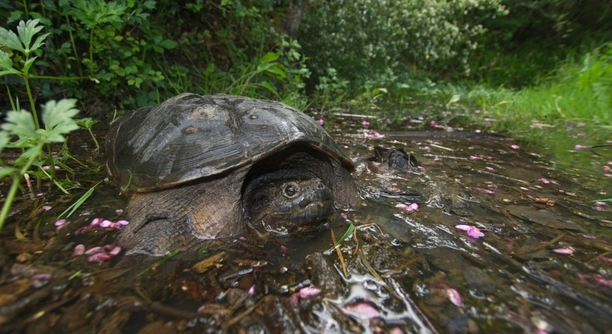
Algae growth in a common snapping turtle tank can be an ongoing challenge for many pet owners. Excessive algae can quickly clutter the tank, making it harder to maintain a clean, healthy environment for your turtle.
To reduce algae growth, ensure proper filtration, manage the light exposure, and maintain a clean tank. Regular water changes, limiting nutrient sources, and adding algae-eating creatures like snails can also help control the growth of algae.
By following these tips, you can create a cleaner, healthier habitat for your turtle and reduce the effort needed to maintain the tank.
Proper Filtration is Key
One of the most important steps in controlling algae growth is ensuring your tank has an adequate filtration system. A good filter will help remove excess nutrients and debris from the water, both of which fuel algae growth. The filter should be rated for a tank size larger than your current setup to ensure it functions efficiently. Regular maintenance of the filter, such as cleaning the media and checking for clogs, is essential for optimal performance. Without a proper filtration system, algae can quickly thrive in the excess nutrients left in the water, which can be harmful to your turtle.
In addition to preventing algae growth, a well-maintained filter helps keep the water clean and clear, which benefits the health of your turtle. This is one of the most effective ways to minimize algae in the long term.
Maintaining proper water circulation also prevents stagnant areas where algae can take hold. The key is consistency—clean your filter and ensure water flow is not obstructed to keep algae from taking over your tank.
Control Lighting Exposure
Algae thrive when exposed to light, so it’s important to manage the light in your turtle’s tank. Limit the amount of time the tank lights stay on each day to prevent excessive algae growth.
Keeping your tank’s light on for 8-10 hours per day is a good rule of thumb. If you notice algae growth becoming more prevalent, consider reducing the time the light stays on.
If possible, avoid direct sunlight from windows as it can increase algae growth significantly. Keep the tank in an area where sunlight isn’t directly hitting it for long periods. In addition to light control, consider using a timer for your lights to maintain a consistent day-night cycle for your turtle.
Regular Water Changes
Performing regular water changes is essential in preventing algae buildup. Replacing a portion of the water every week helps to reduce the excess nutrients that algae thrive on. Aim to replace around 25-30% of the water each time. This keeps the tank’s environment stable and cleaner for your turtle.
By removing organic matter, waste, and uneaten food from the water, you also lower the risk of algae outbreaks. Use a siphon to remove debris and prevent the build-up of nutrients that feed algae. Be sure to use a water conditioner to neutralize any harmful chemicals in tap water.
Regular water changes not only improve the quality of your turtle’s habitat but also ensure better overall health for your turtle. The cleaner the water, the less likely algae will become an issue.
Adding Algae-Eating Creatures
Introducing algae-eating creatures to your turtle’s tank can help control algae growth naturally. Snails, shrimp, and certain fish species, like plecos, are effective at keeping algae in check. These creatures actively graze on algae, reducing its spread.
Algae-eating creatures help maintain a balance in the tank by consuming algae before it becomes an issue. When choosing tank mates, ensure they are compatible with your snapping turtle’s temperament. Keep in mind that some fish may become prey, so research compatibility carefully.
These additions help keep your tank looking clean and allow for a more balanced ecosystem. However, they should not be relied upon as the sole method for algae control. Regular maintenance and water changes are still necessary for long-term results.
Limit Overfeeding
Overfeeding your snapping turtle contributes to excessive waste, which fuels algae growth. Be mindful of how much you feed your turtle. Aim to feed it only what it can consume within 10-15 minutes. Remove any uneaten food promptly to prevent it from decomposing in the tank.
Feeding your turtle the right amount ensures a cleaner tank. It reduces the accumulation of nutrients that algae thrive on. Stick to a consistent feeding schedule and avoid offering more food than necessary. This helps in maintaining a balanced environment for your turtle and minimizes algae growth.
Tank Size and Stocking Density
A larger tank with fewer animals will typically have less algae growth. Overcrowding increases waste and nutrient levels in the water, leading to more algae. Ensure your tank has enough space for your turtle to swim freely and for filtration to work effectively.
If you are considering adding more tank mates, be cautious not to overcrowd. The more space your turtle has, the easier it is to manage the water quality. Proper stocking density ensures that the filter can handle the load, keeping algae growth at bay.
FAQ
How often should I clean my turtle tank?
Cleaning your turtle tank should be done weekly. You should remove uneaten food, waste, and debris from the substrate, and clean any decorations. In addition, performing a partial water change of 25-30% will help maintain water quality. Full tank cleanings, including removing and rinsing the substrate, should be done every 4-6 weeks to prevent a build-up of algae and waste.
Can algae harm my snapping turtle?
While algae itself isn’t usually harmful to your turtle, excessive algae growth can negatively impact the water quality. Algae can deplete oxygen levels in the water, leading to poor conditions for your turtle. If left unchecked, it can cause an imbalance that may affect the overall health of your tank’s ecosystem.
Is it safe to use algae control chemicals?
Chemical algae treatments should be used with caution. Some chemicals can harm your turtle or disrupt the balance of the tank. If you do choose to use them, be sure to follow the instructions closely and remove your turtle from the tank during treatment. It’s always better to try natural methods like controlling light and improving filtration first.
What should I do if my tank still has algae despite following these steps?
If algae persists despite maintaining proper filtration, lighting, and regular water changes, you may need to assess the overall environment. Ensure that the water temperature and pH are within the appropriate range for your turtle. It may also be useful to evaluate your tank’s stocking density and feeding habits, as these factors could still be contributing to algae growth.
How long should I leave the tank lights on each day?
The tank light should be on for about 8-10 hours per day. This simulates a natural day-night cycle and helps to prevent excessive algae growth. Overexposure to light encourages algae to thrive, so using a timer for consistent lighting hours is recommended.
Can I add fish to my turtle tank to help with algae?
Yes, certain species of fish, like plecos and mollies, are known to help manage algae in aquariums. However, be mindful of your turtle’s temperament, as some fish may become prey. Always ensure the fish you add are safe for your snapping turtle and won’t cause stress or harm.
How do I prevent algae from growing on the glass?
To prevent algae growth on the glass, clean it regularly using an aquarium-safe glass cleaner or algae scraper. Additionally, reducing the amount of light your tank receives will help prevent the algae from forming in the first place. Make sure the tank is placed in an area with minimal sunlight exposure.
Do I need to get rid of algae-eating creatures when they stop eating algae?
When algae-eating creatures no longer seem to help with algae control, it’s not always necessary to remove them. They can still contribute to the health of your tank by consuming organic waste and leftover food. If they are not doing their job, you may need to reassess your algae control methods, such as improving filtration or adjusting lighting.
What is the best filter for reducing algae growth?
A good quality filter with a high flow rate is essential for controlling algae growth. Look for filters rated for a larger tank size than yours to ensure efficient water circulation. Canister filters or powerful hang-on-back filters are excellent options. Regular cleaning and maintenance are key to keeping the filter effective.
How do I balance the nutrients in the tank?
Balancing nutrients in your turtle’s tank involves controlling the amount of waste produced by your turtle and any other tank inhabitants. Avoid overfeeding and remove excess food promptly. Using a good filter, along with regular water changes, helps keep the nutrient levels in check, preventing algae from flourishing.
Can I use live plants in my turtle tank?
Yes, live plants can help reduce algae growth by competing for nutrients. Plants absorb nutrients like nitrates and phosphates, which algae need to grow. However, be aware that snapping turtles may nibble on some plants, so choose sturdy varieties that can tolerate their feeding habits.
What is the ideal water temperature for my snapping turtle tank?
The ideal water temperature for a snapping turtle tank is between 75°F and 85°F (24°C to 29°C). Maintaining a consistent temperature within this range ensures your turtle’s health and encourages natural behavior. If the water gets too warm, it can lead to algae growth, so always monitor the temperature with a reliable aquarium thermometer.
How can I tell if my turtle is stressed by the algae?
If your turtle is stressed by poor water quality, including excessive algae, you may notice changes in its behavior. It may become more lethargic, stop eating, or spend excessive time near the surface of the water. If you see these signs, it’s a good indication that algae or other factors are affecting its well-being.
Can I reduce algae growth without a filter?
While a filter is highly recommended, you can reduce algae growth without one by ensuring proper water changes, controlling lighting, and avoiding overfeeding. Regular manual cleaning and using algae-eating creatures will also help keep algae in check. However, without a filter, it will be more difficult to maintain water quality over time.
Why is my turtle tank turning green?
A green tank usually indicates an algae bloom, often caused by too much light, high nutrient levels, or inadequate filtration. To clear up the water, reduce lighting exposure, increase water changes, and clean the tank thoroughly. Adding algae-eating creatures may also help keep the algae under control.
Final Thoughts
Maintaining a healthy tank for your snapping turtle requires attention to detail and regular care. By controlling the factors that contribute to algae growth, such as lighting, feeding, and water quality, you can create a stable environment for both your turtle and the tank’s ecosystem. While algae is a natural part of any aquatic environment, it’s important to keep it in check to ensure your turtle stays healthy and your tank remains clean. Small changes, like adjusting the lighting schedule or improving filtration, can go a long way in preventing algae from taking over.
Overfeeding is one of the most common mistakes that lead to excessive algae growth. It’s easy to give your turtle more food than it needs, but this leads to an excess of waste, which provides nutrients for algae. By sticking to a proper feeding schedule and removing any leftover food promptly, you can prevent this issue. Additionally, make sure your tank is properly sized for your turtle and any other tank mates. Overcrowding can contribute to higher waste levels and more algae growth, so ensuring the right stocking density is crucial.
Remember that a clean tank is a happy tank, both for your turtle and for you. Regular water changes, cleaning, and careful management of your turtle’s environment will help maintain the balance needed to keep algae under control. It’s also important to stay patient, as it can take time for your tank’s ecosystem to stabilize after changes are made. With consistent effort, your snapping turtle will thrive, and your tank will stay algae-free, allowing you to enjoy your turtle’s company for years to come.

Hello,
If you enjoy the content that we create, please consider saying a "Thank You!" by leaving a tip.
Every little bit helps us continue crafting quality advice that supports the health, happiness, and well-being of pets around the world, for pets of all shapes, sizes, and species.
We really appreciate the kindness and support that you show us!