
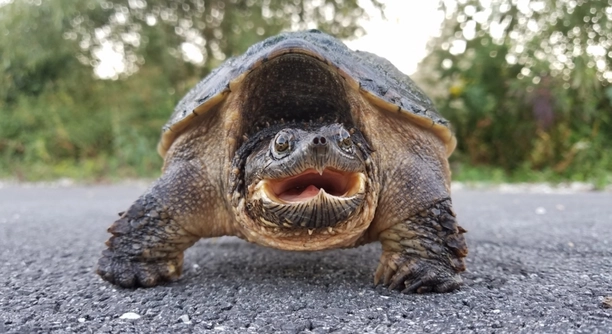
Common snapping turtles are fascinating creatures, but they can display some quirky behaviors. One such behavior is kicking their food, which might leave you puzzled. Understanding why this happens is key to ensuring your turtle’s well-being.
The most common reason your snapping turtle kicks its food is related to its natural feeding habits. Snapping turtles are opportunistic feeders and may use this behavior to test or reposition food, ensuring it’s suitable for consumption.
This behavior is not only interesting but also offers insight into your turtle’s feeding habits. Understanding it can help ensure your turtle’s health and comfort.
Understanding a Snapping Turtle’s Natural Behavior
Common snapping turtles are instinctively wary when feeding. They may kick their food as part of their natural testing process. In the wild, these turtles need to ensure that the food they consume is safe. This behavior comes from their instinct to check for danger, even when food is presented in a controlled environment. While they may seem aggressive, this kicking is a display of their cautious nature. It’s important to remember that snapping turtles rely on their senses, such as touch and smell, to assess their surroundings. If something feels off, they may not hesitate to test their food before eating it.
It’s not uncommon for snapping turtles to push food aside or seem uninterested initially. This behavior allows them to better examine their options before making a decision. Such actions might also stem from their need to consume food that is easy to break down and swallow.
The Role of Feeding Environment
When the environment is too quiet or lacks stimulation, turtles may become more active in kicking their food. This can happen when they feel uncertain about the placement of their meal. The presence of other turtles or moving objects can often redirect their focus, giving them the reassurance they need. This is why it’s important to mimic a natural setting to make feeding times easier.
Creating a feeding area that stimulates their senses will encourage them to stop kicking their food and begin eating it with confidence. The more dynamic and engaging the space is, the less likely they are to feel the need to test their food. Ensuring proper lighting and water flow during feeding times may also help your snapping turtle feel comfortable enough to eat without hesitation.
Stress and Anxiety During Feeding
Stress is another common reason your snapping turtle may kick its food. If your turtle feels anxious, it might hesitate or be more aggressive with its food. Stress can result from various factors like environmental changes, handling, or too much noise around its enclosure.
Turtles are naturally sensitive creatures. When they sense unfamiliar surroundings or feel threatened, they might act out by kicking food or ignoring it entirely. Their behavior could also be a reaction to the temperature of the water or the lighting in their tank. A change in routine can cause them to act unsettled, and they may test their food more than usual.
To reduce stress, make sure their environment remains stable and quiet during feeding times. Avoid moving them or their tank, and ensure their space is calm. Offering food at regular intervals in a predictable manner can help your turtle feel more comfortable, making it easier for them to eat without acting out.
Overfeeding or Underfeeding
Another reason your snapping turtle might kick its food is overfeeding or underfeeding. If the amount of food given is too much or too little, your turtle may be less interested in eating or might reject the food altogether. Overfeeding can lead to boredom, while underfeeding might leave your turtle hungry and frustrated.
It’s important to find the right balance in portion sizes. Overfeeding your turtle could result in a lack of motivation to eat, leading them to push food away. On the other hand, not providing enough food can cause hunger-induced aggression, prompting them to act defensively.
Pay close attention to how much food your turtle consumes. A regular feeding schedule and portion control will help maintain a healthy eating pattern. Ensure the food is appropriate for your turtle’s size and age to avoid causing unnecessary stress or discomfort.
Poor Food Quality
If your snapping turtle kicks its food, it could be a sign that the food isn’t up to their standards. Low-quality food can be unappealing to them. This could lead to them rejecting the food by kicking it away.
Turtles rely heavily on their instincts when choosing what to eat. They can easily sense if food isn’t fresh or nutritious. If they feel the food is not good, they may avoid it completely. Providing high-quality, fresh food will encourage your turtle to eat and be satisfied with their meal.
Inappropriate Food Texture
Texture plays an important role in a snapping turtle’s feeding habits. If the food’s texture is unfamiliar or hard to chew, your turtle might kick it away. They prefer foods that are easy to handle and break down.
If the food is too tough or too slimy, your turtle may not recognize it as something they can easily consume. Trying different textures, like soft vegetables or proteins, can help them adjust to the food. It’s crucial to find a variety of textures that appeal to your turtle to encourage them to eat.
Feeding Time and Schedule
If you’re not feeding your snapping turtle at a consistent time, it may cause confusion or frustration. Turtles thrive on routine, and irregular feeding schedules can lead to picky behavior, such as kicking food away.
Setting a consistent feeding time will help your turtle get used to when food is available, reducing the chances of them rejecting their meal. A stable schedule ensures they’re more likely to eat without hesitation. Regular feeding times help regulate their hunger and reduce unnecessary stress.
FAQ
Why is my snapping turtle kicking its food?
Your snapping turtle may be kicking its food due to instinctual behaviors. They test their food to ensure it’s safe, especially if they feel uncertain about it. Other reasons could include stress, poor food quality, or a feeding schedule that is inconsistent. It’s important to observe their environment and food choices closely to understand what might be triggering this behavior.
Can my snapping turtle’s kicking behavior mean it’s not hungry?
Yes, it’s possible. If your turtle is not hungry or is overfed, they may reject their food. Turtles, like other animals, have varying levels of hunger. If they feel full or uninterested, they may push the food away. You should monitor their feeding habits to ensure you’re not over or underfeeding.
How do I know if the food is too tough for my snapping turtle?
If the food is too tough, your snapping turtle may show a lack of interest or physically push it away. They prefer softer foods, such as fish, soft vegetables, or aquatic plants. It’s important to provide food that’s easy to break down to avoid making it harder for them to eat.
Should I change the type of food I’m offering my snapping turtle?
Changing the type of food might help if your turtle is consistently kicking its food away. Try offering a variety of fresh foods, such as protein-rich options (fish, insects) and leafy greens. A balanced diet can make meals more appealing. Introduce different textures to see what your turtle prefers.
Could the water temperature affect my snapping turtle’s feeding habits?
Yes, water temperature can have an impact. If the water is too cold or too warm, your turtle may become less active and lose interest in eating. Snapping turtles prefer a water temperature around 70-75°F (21-24°C) for optimal activity. Adjusting the temperature to a comfortable range may encourage eating.
How can I reduce stress for my snapping turtle during feeding time?
To reduce stress, ensure your turtle’s feeding environment is calm and consistent. Avoid handling your turtle before or during meals. Minimize loud noises and disturbances, and feed your turtle in a quiet, stable area. Also, try offering food at the same time each day to help establish a routine.
Is my snapping turtle kicking its food a sign of illness?
Kicking food doesn’t necessarily indicate illness. However, if it’s accompanied by other signs such as lethargy, abnormal behavior, or a lack of appetite, it could signal health issues. It’s best to consult a veterinarian if your turtle exhibits unusual symptoms, just to rule out any underlying health concerns.
How can I tell if my snapping turtle is stressed?
Signs of stress in snapping turtles include erratic behavior, a loss of appetite, excessive hiding, or aggression. Stress can also cause them to be more defensive or reclusive. Monitoring their behavior closely and adjusting their environment can help reduce stress levels.
Can a snapping turtle’s diet affect its behavior towards food?
Yes, the diet can have a significant impact. If your turtle isn’t receiving a well-balanced diet, it might refuse to eat or show food-related behavior like kicking. Nutritional deficiencies or an unappealing food texture can make your turtle less interested in eating. Offering a variety of foods can keep their diet interesting.
Should I remove uneaten food after feeding?
Yes, it’s important to remove uneaten food after feeding. Leftover food can degrade and pollute the water, making it unhealthy for your turtle. Removing food also ensures that your turtle does not develop unhealthy eating habits, like overeating or rejecting food left in the tank for too long.
How often should I feed my snapping turtle?
Snapping turtles, especially juveniles, should be fed more often than adults. Juveniles typically need food every day, while adults can be fed every other day. The amount and frequency can depend on their age, size, and activity level. Be mindful of their appetite and adjust accordingly.
Can my snapping turtle kick its food if it’s too full?
Yes, if your snapping turtle is too full or overfed, it may lose interest in food and begin to kick it away. Overfeeding can lead to food rejection, as the turtle’s body may not need any more food. Stick to an appropriate feeding schedule and portion size to prevent overfeeding.
How do I encourage my snapping turtle to eat if it’s kicking its food?
Try offering food at the right temperature and consistency. Make sure it’s fresh and has a suitable texture. You could also try changing the feeding area to a quieter, more calm environment. Gradually offer smaller portions and establish a feeding routine to help your turtle feel more comfortable.
Can lighting affect my snapping turtle’s feeding habits?
Yes, lighting can affect a turtle’s feeding behavior. Too much light can cause stress, while inadequate lighting can make it harder for your turtle to find food. Ensure that your turtle has access to natural or soft lighting that mimics their natural environment to encourage feeding.
Is there a specific time of day when snapping turtles are more likely to eat?
Snapping turtles are more active during the day, particularly in the morning and late afternoon. Offering food during these times can increase the likelihood of your turtle eating. Try to establish a consistent feeding schedule within these hours to ensure your turtle is hungry and ready to eat.
Final Thoughts
Understanding why your snapping turtle kicks its food is important for providing the best care possible. This behavior can stem from several factors, such as stress, an unappealing food texture, or even a lack of hunger. It’s important to observe your turtle’s environment and eating habits closely to identify any potential causes. Offering high-quality food and creating a consistent feeding routine can help reduce this behavior and ensure your turtle is eating well.
If your turtle continues to reject food, consider the possibility of health issues. Sometimes, an underlying health condition can cause a lack of appetite or cause your turtle to be less interested in food. While kicking food may not be a sign of illness on its own, it’s important to monitor other signs of distress, like lethargy, abnormal behavior, or weight loss. If these symptoms appear, it’s best to consult a veterinarian who specializes in reptiles to rule out any serious health concerns.
Overall, snapping turtles can be quite particular about their food, and their behavior often reflects their needs or discomfort. Adjusting their diet, feeding routine, and environment can encourage them to eat more effectively. By paying attention to their habits and ensuring they have a proper diet, you’ll help your turtle thrive in a safe and comfortable space. Remember, a little patience and observation go a long way when caring for your snapping turtle.

Hello,
If you enjoy the content that we create, please consider saying a "Thank You!" by leaving a tip.
Every little bit helps us continue crafting quality advice that supports the health, happiness, and well-being of pets around the world, for pets of all shapes, sizes, and species.
We really appreciate the kindness and support that you show us!