
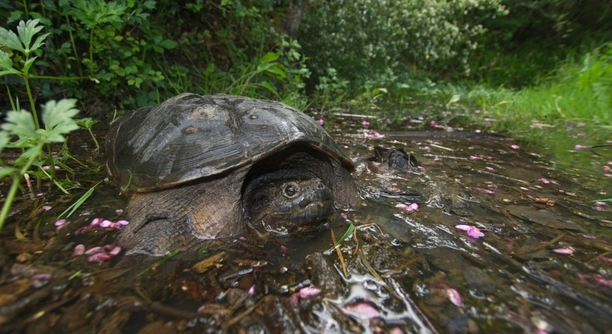
A common snapping turtle’s basking area is crucial for its health and well-being. Ensuring the space is properly sized allows for better sun exposure and comfort. A small basking area can limit your turtle’s ability to thrive.
The simplest way to tell if your snapping turtle’s basking area is too small is by observing its behavior. If your turtle seems cramped, stressed, or unable to fully stretch out, the area might need to be expanded to improve comfort.
An appropriately sized basking area is important for your turtle’s overall health. This article will guide you on identifying if the space needs adjustment and how to improve it.
Why Size Matters for Your Turtle’s Basking Area
The basking area should be large enough to accommodate your turtle comfortably. A cramped space can make your turtle feel stressed and might even impact its health. Turtles need a place to dry off completely, stretch, and soak in the warmth. If the basking area is too small, your turtle may be forced to stay wet longer, which can lead to skin and shell issues.
A larger area gives your turtle the space it needs to move around. This improves its ability to regulate its body temperature and absorb much-needed UV rays. Keeping your turtle’s basking spot roomy will ensure it can stay healthy and active.
If your turtle is unable to fully stretch out or seems uncomfortable while basking, it’s a clear sign the space is too small. The basking spot should give your turtle room to spread out, providing a more natural and comfortable environment. Be mindful of how your turtle uses the space to determine if it’s large enough.
How to Measure the Right Size for the Basking Spot
The basking area needs to be proportional to the size of your turtle.
Generally, a good rule of thumb is to have the basking area be at least twice the length of your turtle’s shell. This gives enough space for the turtle to move freely, stretch, and adjust its position. Ensuring enough space will keep your turtle content and comfortable.
Turtles are naturally drawn to warm, dry areas to bask and regulate their temperature. If the area is cramped, your turtle may feel restricted and stressed. This can cause behavioral changes or a refusal to bask altogether. Overcrowding the basking spot can also limit its access to sunlight or a heat lamp, which are essential for its health. Make sure to regularly check if the basking spot is large enough to provide comfort and warmth.
Signs the Basking Area Is Too Small
If your turtle seems to struggle when climbing onto its basking spot, the space might be too small. This can happen if the ramp or platform is too narrow or doesn’t provide a stable surface. A turtle that has trouble basking properly may show signs of stress.
A small basking area might also affect the turtle’s health over time. Turtles need space to dry out fully after swimming to avoid skin and shell problems. If they can’t get proper exposure to warmth, their immune system can weaken. A cramped basking spot means they may stay wet too long, leading to issues like shell rot or other infections.
Another sign is when your turtle constantly climbs over its basking area or shows signs of frustration. This can indicate that the available space is not meeting its needs, and it might feel confined or uncomfortable. Keeping a close eye on these behaviors is key to knowing when it’s time for an upgrade.
How to Adjust the Size of the Basking Area
Expanding the basking area can be done simply by adding extra platforms or ramps. Make sure the area is big enough for your turtle to stretch out fully. It doesn’t need to be extravagant but should allow for ease of movement.
Consider the shape of the basking area as well. It should be large enough to allow your turtle to position itself comfortably for basking and allow the turtle to move around without obstruction. The platform should be stable, secure, and accessible from the water to make it easier for your turtle to climb onto. A wider or longer basking platform might be needed depending on the size of your turtle.
If your turtle is not basking as much as it should, it may be a sign that the basking area is not inviting enough. Adjusting the size to meet your turtle’s needs is the best way to encourage healthy basking habits.
Importance of Proper Lighting
Proper lighting is essential for your turtle’s basking area. If the space is too small, it may prevent your turtle from getting adequate exposure to UVB rays, which are vital for shell and bone health. Make sure the basking spot is positioned under a reliable heat and UVB light source.
If the area is cramped, your turtle might be unable to move around to access the best spot for basking. Without proper light exposure, your turtle may suffer from calcium deficiency, leading to soft shell problems or other health issues.
Temperature Control
The temperature of the basking area is just as important as the size. The heat source should create a warm spot for your turtle to soak up the sunlight. If the basking area is too small, the heat may not be evenly distributed, affecting your turtle’s comfort.
Ensure the temperature remains consistent with a reliable heat source. The ideal basking temperature for a snapping turtle is around 85-90°F (29-32°C). If your turtle doesn’t have the space to move toward or away from the heat as needed, it may struggle to regulate its body temperature effectively.
Observation and Behavior
Observe your turtle’s behavior closely. If it avoids the basking area or seems uncomfortable, it’s time to check if the space is large enough. Small basking spots can lead to frustration and even poor health over time.
Turtles are creatures of habit, and their basking habits are a good indication of whether the space works for them. If they seem to constantly look for a larger area or show signs of stress, consider upgrading their basking setup.
FAQ
How can I tell if my turtle is not getting enough basking time?
If your turtle is spending less time basking than usual, it may be an indication that its basking area is not suitable. This could be due to a small space, improper lighting, or an uncomfortable surface. A turtle that avoids basking could be experiencing stress from a cramped or inadequate basking setup. Watch for signs like the turtle staying submerged in water for long periods or acting lethargic. You should also check if the basking spot allows the turtle to fully dry out, as staying too wet can lead to skin and shell issues.
What size should my turtle’s basking area be?
The basking area should be at least twice the length of your turtle’s shell. This gives enough space for the turtle to fully stretch out and comfortably bask. If the basking spot is smaller than that, your turtle may feel restricted, which can affect its ability to regulate body temperature and receive proper UVB exposure. A larger basking area encourages natural behavior and better overall health. Ensure the area is also accessible from the water, with a stable platform for easy climbing.
Can a small basking area cause health problems?
Yes, a small basking area can lead to a variety of health issues. Turtles need to completely dry off after swimming to avoid skin and shell problems. A cramped basking area prevents your turtle from doing this properly, which can lead to infections like shell rot or other skin conditions. Furthermore, a small basking area limits exposure to UVB light, which is necessary for calcium metabolism and shell health. If your turtle doesn’t get enough basking time, it may experience weakened bones or a soft shell.
Should I add more than one basking area?
If your tank is large enough, adding more than one basking area can be beneficial, especially if you have more than one turtle. This gives each turtle its own space to bask and reduces competition. In the wild, turtles often bask alone or in separate areas, so providing multiple spots helps replicate their natural behavior. However, ensure each basking area is large enough to comfortably accommodate the turtle and provide proper heat and UVB exposure.
How do I know if the basking area is too hot or too cold?
The basking area should maintain a temperature between 85-90°F (29-32°C) for most turtles, including snapping turtles. If it’s too hot, your turtle may try to avoid the area or appear lethargic. On the other hand, if the temperature is too cold, your turtle may not bask enough, leading to weakened immune function. A simple way to check is to use a thermometer to measure the temperature at the basking spot. Adjust your heat source accordingly, making sure your turtle can move away from the heat if it gets too warm.
How can I improve my turtle’s basking area?
To improve the basking area, start by making sure it’s large enough for your turtle to stretch out completely. You can add additional platforms or ramps to increase space. Make sure the area is stable and easy for your turtle to climb onto from the water. Next, ensure proper lighting. The basking spot should be positioned directly under a heat and UVB light source to provide the necessary warmth and sunlight. Regularly check for cleanliness as debris can build up and reduce the effectiveness of the basking area.
What type of lighting should I use for my turtle’s basking area?
Turtles need both heat and UVB light for proper basking. Use a combination of a basking light (to create heat) and a UVB light (to help with calcium metabolism and shell health). The UVB light should be positioned directly over the basking area and should be replaced every 6-12 months, as its effectiveness decreases over time. The heat light should create a warm spot on the basking area, ensuring the temperature stays within the appropriate range. Make sure both lights are of proper wattage and quality to suit your turtle’s needs.
How often should I clean the basking area?
The basking area should be cleaned regularly to prevent the buildup of waste, algae, or mold. If your turtle leaves waste on the platform, clean it daily. A deep cleaning of the entire basking area should be done weekly, including wiping down surfaces and ensuring the heat and UVB lights are working properly. Keeping the area clean helps avoid health issues and keeps your turtle comfortable. It’s also important to clean the surrounding tank area to ensure the overall environment is safe and healthy for your turtle.
Why is my turtle not basking even with enough space?
If your turtle isn’t basking despite having enough space, the issue might be with the temperature, lighting, or even stress. Check the temperature of the basking area to make sure it’s within the correct range. If the lights aren’t providing enough UVB or heat, your turtle may not feel comfortable enough to bask. Other factors, such as the presence of other turtles or animals, could also cause stress, leading your turtle to avoid the basking area. Finally, health issues or a lack of interest in basking can also be a sign that something is wrong. Keep an eye on your turtle’s behavior and adjust the setup as needed.
Can I use a dry rock for the basking area?
A dry rock can be used as part of the basking area, as long as it’s stable and easy for your turtle to climb onto. However, it’s important to make sure the rock doesn’t get too hot under the heat lamp, as it could burn your turtle. Make sure to check the temperature regularly to avoid overheating. A flat surface or a dedicated platform is often easier for your turtle to use and can be a safer option than a rock.
Final Thoughts
Providing your snapping turtle with a proper basking area is essential for its health and well-being. Turtles need space to bask comfortably, absorb UVB light, and regulate their body temperature. A small or overcrowded basking spot can lead to stress and health issues, including skin and shell problems. When setting up the basking area, ensure it is large enough for your turtle to stretch out fully. A spot that’s too small may cause your turtle to feel confined, which can affect its behavior and overall health. By observing your turtle’s behavior and adjusting the basking area when needed, you can improve its environment and quality of life.
Another important aspect of the basking area is the lighting and temperature. Turtles need both heat and UVB light to thrive. Make sure your basking area has proper lighting that creates the right temperature range, typically around 85-90°F (29-32°C). A combination of heat lamps and UVB bulbs is ideal for your turtle’s basking area. Without proper lighting, your turtle may not be able to metabolize calcium properly, leading to weak bones and a soft shell. Check the lighting and temperature regularly to ensure they meet your turtle’s needs. A proper basking setup helps your turtle stay healthy and active.
In the end, the goal is to create a comfortable, spacious, and safe basking area that supports your turtle’s natural behaviors. Your turtle’s happiness and health are directly connected to the quality of its environment. If you notice any signs that the basking area is too small or uncomfortable, don’t hesitate to make adjustments. A little extra space and attention to details like temperature and lighting can go a long way in keeping your turtle healthy. By maintaining the right conditions, you’ll ensure that your turtle thrives in its habitat for years to come.

Hello,
If you enjoy the content that we create, please consider saying a "Thank You!" by leaving a tip.
Every little bit helps us continue crafting quality advice that supports the health, happiness, and well-being of pets around the world, for pets of all shapes, sizes, and species.
We really appreciate the kindness and support that you show us!