
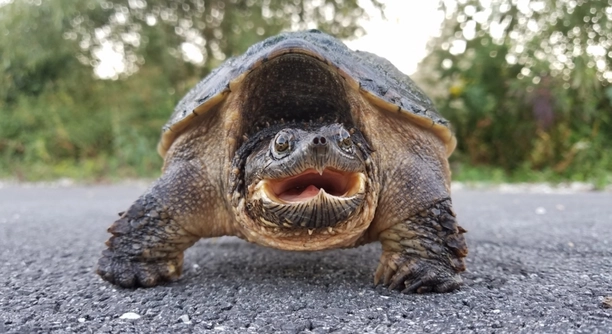
If you are a turtle owner, it’s essential to keep an eye on your pet’s well-being. Snapping turtles, like any other animal, can show signs of distress that need attention. Knowing what to look for can make a difference.
When a common snapping turtle is in distress, it may exhibit changes in behavior or physical symptoms, such as lethargy, loss of appetite, or difficulty swimming. These signs are often indicators of injury, illness, or environmental stress.
Recognizing these signs early can help prevent further issues and ensure your turtle stays healthy. Keeping a close eye on your turtle’s habits will aid in providing the right care and environment.
Changes in Behavior
If your snapping turtle is acting differently, it may be a sign that something isn’t right. Turtles are typically calm and slow-moving, so any sudden aggression, restlessness, or hiding for extended periods should raise concern. You may notice your turtle swimming aimlessly or moving in circles, which can indicate distress. A healthy snapping turtle will generally be active and curious, exploring its environment.
It’s important to monitor any shifts in behavior closely. While turtles are naturally slow, sudden changes, like erratic movement or avoiding interaction, often signal a problem. These changes could be due to an injury or underlying illness.
In addition to behavioral changes, you should observe whether your turtle is reacting to the environment around it. Turtles can become stressed by improper tank conditions, such as fluctuating water temperature, lack of proper hiding spots, or high levels of noise. An unhealthy environment can cause a turtle to withdraw or become overly aggressive. Ensuring your turtle’s habitat is suitable can go a long way in preventing distress.
Loss of Appetite
A turtle’s appetite is a good indicator of its health. If your snapping turtle is not eating, it’s important to investigate the cause. A decrease in appetite can signal illness or stress.
A lack of appetite may be due to various factors such as improper water temperature, poor diet, or even underlying infections. A healthy snapping turtle will typically eat regularly, so any significant change in this behavior should not be ignored. If your turtle is refusing food for several days, it may be time to consult with a vet.
Poor eating habits can also indicate digestive issues. This can be caused by an inadequate diet, improper food size, or lack of proper nutrition. A balanced diet is essential to ensure that your snapping turtle stays healthy and has the energy it needs for daily activities. Consider checking your turtle’s feeding routine and diet to ensure its needs are being met.
Changes in Shell Condition
A snapping turtle’s shell serves as a protective barrier. If you notice any changes in the condition of your turtle’s shell, it could signal distress. Cracks, soft spots, or discoloration are signs that your turtle may be suffering from an illness or injury.
One common issue is shell rot, which is a bacterial infection that causes soft spots and decay. Shell rot can occur if the turtle’s environment is too wet or unclean. It’s essential to regularly clean your turtle’s tank and ensure that the water is properly filtered to prevent this issue. Additionally, if your turtle’s shell shows signs of physical damage, it may be the result of a fight, fall, or injury.
Overexposure to UV light can also affect a turtle’s shell. If your turtle is not getting the proper amount of UVB light, it can lead to shell deformities or weak bones. Keeping a balanced environment with proper lighting and temperature control is crucial. Regular shell inspections can help catch issues early, giving you a chance to address them before they become more serious.
Difficulty Swimming
If your snapping turtle is having trouble swimming, it’s a sign that something may be wrong. Turtles rely on their strong limbs and shells to move easily through water. Struggling to swim can indicate issues with buoyancy, water temperature, or injury.
Several factors can impact swimming ability. First, ensure that the water temperature is within the recommended range, as cold or excessively warm water can cause discomfort or lethargy. Improper tank conditions, such as poor water quality or excessive algae, may also lead to difficulty swimming. Another issue may be injury to the limbs or shell that affects movement.
Swim difficulties can also be linked to a condition called metabolic bone disease, where the turtle’s bones become brittle and weak. This condition can cause a turtle to struggle in water due to poor buoyancy and weakened muscles. Regular checks of your turtle’s swimming ability are essential in spotting potential health issues.
Abnormal Breathing
Breathing issues are a clear sign of distress. If your snapping turtle is breathing heavily, opening its mouth constantly, or struggling to breathe, it’s essential to act quickly. Abnormal breathing patterns could indicate respiratory infections or other health concerns.
Turtles typically breathe through their nostrils, but if they are struggling, you may notice labored or open-mouth breathing. Respiratory infections are common in turtles and can be caused by poor tank conditions, including low water temperatures or improper humidity levels. Keeping the environment clean and maintaining stable water temperatures can help prevent such issues.
Another cause of abnormal breathing could be a foreign object stuck in the respiratory system or injuries from accidents. If you observe consistent breathing problems, seeking veterinary care is necessary. Early intervention can often prevent serious complications.
Unexplained Weight Loss
If your snapping turtle is losing weight unexpectedly, it’s a cause for concern. Weight loss can indicate an underlying health issue such as parasites, infections, or poor nutrition. It’s important to monitor your turtle’s eating habits and general health.
A decrease in food intake or changes in diet can lead to weight loss. If your turtle isn’t eating as much as usual, check the water conditions and temperature to ensure they’re appropriate. Illnesses like respiratory infections or parasites can also cause weight loss. If the issue persists, a vet visit is necessary to identify the cause.
Changes in Skin Appearance
Skin changes, such as shedding, discoloration, or lesions, are signs that your snapping turtle may be in distress. These skin issues are often linked to infections, poor diet, or an improper habitat. Regularly inspect your turtle’s skin for any unusual signs.
When turtles experience skin problems, they may shed excessively or develop patches of discolored skin. Skin lesions or bumps can be a sign of an infection, often caused by poor water quality or inadequate nutrition. It’s essential to clean your turtle’s tank regularly to prevent bacteria build-up. Additionally, a balanced diet rich in vitamins and minerals will help maintain healthy skin. If skin issues persist, seeking advice from a veterinarian will ensure your turtle’s health.
Poor Tank Conditions
Tank conditions play a significant role in the overall health of your snapping turtle. If the water temperature fluctuates, the water quality is poor, or there isn’t enough space, your turtle may show signs of stress. Regular maintenance is crucial to avoid these issues.
Poor tank conditions, such as inadequate filtration or incorrect water levels, can lead to various health problems. The water should be clean and kept at the proper temperature for your turtle’s species. Turtles also need a space to bask and rest, as well as areas where they can hide. Without these conditions, your turtle can become stressed, leading to health problems. Keep the tank clean and ensure it mimics your turtle’s natural habitat to provide a safe environment.
FAQ
What should I do if my snapping turtle isn’t eating?
If your snapping turtle isn’t eating, first check the water temperature and quality. Ensure the tank conditions are suitable for the species. A change in diet or the introduction of new food may also cause a temporary loss of appetite. If the issue persists for several days, it’s a good idea to consult a veterinarian to rule out illnesses.
How can I tell if my snapping turtle is injured?
Look for visible signs like cracks, wounds, or swelling on the shell, limbs, or head. If your turtle is avoiding movement, swimming erratically, or showing signs of pain, it might be injured. In cases where injury is suspected, take your turtle to a vet for an assessment and treatment.
Is it normal for a snapping turtle to be inactive sometimes?
Turtles can be less active during colder months or after feeding. However, if inactivity lasts for extended periods, especially with other signs of distress, it’s important to investigate further. Illness or environmental stress might be affecting your turtle’s energy levels.
How often should I clean my snapping turtle’s tank?
Cleaning your turtle’s tank regularly is essential to ensure good water quality and prevent bacterial growth. Perform partial water changes once a week, and clean the filter monthly. Thoroughly clean the tank every few weeks to remove debris and excess waste, ensuring a healthy environment for your turtle.
What’s the best diet for a snapping turtle?
A balanced diet is important for a snapping turtle’s health. Offer a variety of foods such as commercial turtle pellets, leafy greens, and occasional protein sources like insects, small fish, and worms. Make sure to avoid overfeeding and provide enough calcium for strong bones and shell health.
Can a snapping turtle live in cold water?
No, snapping turtles are cold-blooded, and extreme temperatures can harm them. Keep the water temperature between 70-75°F (21-24°C). If the water becomes too cold, it can slow down your turtle’s metabolism, making it lethargic or even putting it in distress. Always monitor the temperature and adjust the heating if needed.
What are common signs of respiratory infections in snapping turtles?
Respiratory infections in turtles are often characterized by labored breathing, wheezing, or bubbles coming from the nostrils. Your turtle may also appear lethargic or have trouble swimming. Infected turtles may open their mouths frequently or refuse to eat. If you notice these symptoms, a visit to the vet is essential.
Should I provide a basking area for my snapping turtle?
Yes, turtles need a basking area to regulate their body temperature. A proper basking spot allows your turtle to dry off and warm up under a heat lamp. This area should be in a dry, easily accessible spot with temperatures between 85-90°F (29-32°C). Basking is also important for their shell health.
How can I make my snapping turtle’s tank more natural?
To create a more natural habitat, use aquarium plants, rocks, and hiding spots where your turtle can explore and rest. Adding natural elements like driftwood or aquatic plants mimics the turtle’s wild environment. Ensure the water is filtered, clean, and maintained at a proper temperature for your species.
How can I prevent my snapping turtle from getting sick?
Prevent illness by maintaining clean water, providing a balanced diet, and monitoring the tank’s temperature and humidity. Avoid overcrowding in the tank and ensure there is enough space for your turtle to move comfortably. Regularly check your turtle’s skin, shell, and behavior for any early signs of distress.
Can snapping turtles live with other pets in the same tank?
Snapping turtles are aggressive and should not be housed with other pets, especially small fish or reptiles. They may see smaller creatures as food. If you plan to house multiple turtles, ensure the tank is large enough and that they have enough space to avoid conflicts.
How can I tell if my snapping turtle is stressed?
Signs of stress in snapping turtles include reduced activity, hiding more than usual, or aggressive behavior. Stress can also cause a loss of appetite or changes in swimming patterns. Make sure the environment is comfortable with proper lighting, temperature, and water conditions to prevent stress.
What should I do if my snapping turtle is floating at the top of the water?
If your snapping turtle is floating at the surface of the water, it may have an air pocket under its shell or it could be dealing with an injury or illness. Floating without diving may also indicate a problem with buoyancy, possibly caused by metabolic bone disease. It’s best to consult a vet for a thorough evaluation.
Is it normal for my snapping turtle’s shell to change color?
A slight change in shell color can happen naturally as a turtle matures, but significant discoloration or dark spots can be a sign of infection, poor water quality, or malnutrition. Regularly check your turtle’s shell for any unusual changes. If you notice a major shift, seek professional advice from a veterinarian.
How do I know if my snapping turtle is dehydrated?
Dehydration in snapping turtles may show in the form of wrinkled skin or a dry, flaky shell. If your turtle seems lethargic or has a reduced appetite, dehydration might be the issue. Always provide access to clean water and ensure proper humidity levels in their habitat. If dehydration persists, contact a vet.
Final Thoughts
Taking care of a snapping turtle requires attention to detail, especially when it comes to recognizing signs of distress. These turtles are resilient creatures but still need proper care to live long, healthy lives. The key to a thriving snapping turtle is maintaining the right environment, providing a balanced diet, and observing any changes in behavior. Regularly checking their tank conditions, water temperature, and overall health will help ensure that they remain active and comfortable. If you notice any signs of distress, it’s important to act quickly. Addressing issues early on can prevent bigger health problems down the road.
Snapping turtles may seem tough, but they are still susceptible to environmental stressors, injuries, and illnesses. Common signs of distress, such as lack of appetite, unusual swimming behavior, or changes in their shell or skin, should not be ignored. It’s important to monitor their habits closely and make adjustments to their care when necessary. If your turtle is showing signs of injury or illness, don’t hesitate to seek professional help. A veterinarian can provide the right diagnosis and treatment to get your turtle back to health.
Ultimately, the well-being of your snapping turtle is in your hands. By creating a suitable environment, offering a balanced diet, and keeping a watchful eye on any changes in behavior, you can help ensure that your turtle stays healthy and happy. Regular care and maintenance are key. If you are ever unsure, it’s always a good idea to consult an expert. Taking proactive steps can not only address current concerns but also prevent future problems, allowing your snapping turtle to thrive for years to come.

Hello,
If you enjoy the content that we create, please consider saying a "Thank You!" by leaving a tip.
Every little bit helps us continue crafting quality advice that supports the health, happiness, and well-being of pets around the world, for pets of all shapes, sizes, and species.
We really appreciate the kindness and support that you show us!