
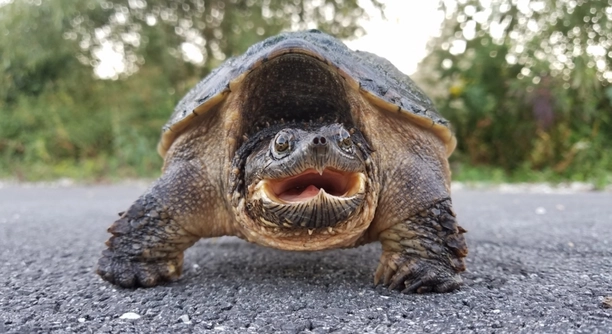
Is your common snapping turtle’s tank feeling too humid? Sometimes, it’s hard to tell if the conditions in their tank are just right. Humidity can play a key role in their health and comfort.
The primary indicator that your snapping turtle’s tank is too humid is excessive moisture in the enclosure. You may notice water pooling at the bottom, mold growth, or the substrate staying wet for long periods. These signs can indicate an imbalance.
Proper humidity is crucial for your turtle’s well-being. Recognizing the signs early can help prevent health issues and ensure your turtle stays happy and safe.
Signs That Your Tank Is Too Humid
If your common snapping turtle’s tank has too much humidity, there are clear signs to watch for. The most noticeable one is excessive water buildup. This may cause the substrate to stay damp for too long, leading to mold or mildew. You might also notice a musty smell, indicating trapped moisture. If the tank is closed, condensation may form on the glass, creating a visibly wet environment. These signs should prompt you to take a closer look at the humidity levels in your turtle’s tank.
Humidity is necessary to maintain a balanced environment, but too much can be harmful. Adjusting the humidity levels is key to keeping your turtle healthy and comfortable.
When humidity levels are too high, they can make the air feel damp, which may lead to skin issues for your snapping turtle. High humidity can also cause respiratory problems or lead to a weakened immune system. Some turtles may even start to show signs of stress, like hiding more often or becoming less active. A consistent, slightly humid environment is much healthier. It allows your turtle to regulate its body temperature and stay comfortable. This is why it’s so important to monitor and adjust humidity as needed.
How to Fix Humidity Issues in Your Turtle’s Tank
If the humidity in your tank is too high, it’s time to make some changes. First, check the tank’s ventilation. Insufficient airflow can trap moisture inside. Increasing airflow can help reduce excess humidity. Another option is to reduce the water level or remove some of the wet substrate.
To manage humidity levels, try placing a dehumidifier near the tank or using a fan to promote air circulation. It’s also important to monitor the temperature regularly. The heater should be set at a level that keeps the air warm without causing excess moisture. If you’re using a glass lid, try to keep it slightly open to allow better airflow. Regularly check the tank for signs of moisture buildup or condensation, and make adjustments as necessary.
Finally, always remember that it’s easier to maintain a steady environment rather than constantly adjusting. Testing the humidity levels with a hygrometer can help you track changes and maintain the ideal balance for your snapping turtle’s health.
The Right Humidity Levels for Your Snapping Turtle
Ideal humidity for a common snapping turtle is around 60-80%. Keeping it within this range helps maintain a healthy environment. If the humidity is too high or too low, it can lead to health problems. Monitoring this balance is key to your turtle’s well-being.
Too much humidity can cause respiratory issues and skin problems, while too little can lead to dehydration. To keep things balanced, consider using a humidity gauge in the tank. If the humidity is too high, adjusting ventilation or removing some water can help. On the other hand, adding more moisture can be done if it gets too dry.
Proper humidity supports the snapping turtle’s ability to regulate body temperature. It also impacts their ability to shed their skin and maintain overall hydration. If your turtle is consistently exposed to incorrect humidity, it might struggle to stay healthy. Keeping a consistent environment will go a long way in ensuring your turtle’s comfort and longevity.
Managing Substrate Moisture
The substrate in your turtle’s tank plays a big role in regulating humidity. It should be damp, not soaked. Too much moisture in the substrate can trap excess humidity, leading to mold or bacteria growth. Aim for a balance where the substrate is moist but not waterlogged.
Use substrates like coconut husk or cypress mulch, which can help retain moisture without becoming overly saturated. If your substrate becomes too wet, replace it or allow it to dry out before adding more water. Properly managing substrate moisture helps create the right environment for your turtle while preventing unwanted humidity build-up.
Regularly check the substrate for mold or mildew growth. If you notice any, clean the tank immediately and remove the affected substrate. This ensures your turtle’s health and keeps the tank environment fresh. Adjusting moisture levels in the substrate is an easy way to keep humidity balanced and prevent common problems.
Ventilation Tips for Your Tank
Proper ventilation is key to controlling humidity in your turtle’s tank. Without it, moisture can get trapped, causing an overly humid environment. You can improve ventilation by using mesh lids or adding small openings in the tank’s cover.
A fan can also be helpful in ensuring the air circulates well around the tank. However, be careful not to place the fan too close, as it may cause temperature fluctuations. Check the tank regularly to ensure the humidity stays at a stable level. A good balance of airflow will help keep the tank’s humidity in check.
The Impact of Temperature on Humidity
Temperature plays a significant role in how humidity behaves. If the tank is too warm, moisture can evaporate, making the humidity levels higher. A cooler tank will have less evaporation, leading to drier air.
Make sure the temperature in your turtle’s tank is consistent and within a safe range. A reliable heater or thermostat can help you maintain the ideal temperature. Keeping the tank warm enough will prevent excess moisture from building up, balancing humidity levels for your turtle’s comfort. Check temperature and humidity levels together for the best results.
Monitoring with a Hygrometer
A hygrometer is essential for keeping track of the humidity levels in your snapping turtle’s tank. Without one, it’s hard to gauge whether the conditions are right. This small, affordable tool helps you measure moisture and make adjustments as needed.
By regularly checking the humidity with a hygrometer, you’ll prevent problems caused by imbalances. This tool will allow you to adjust the tank’s conditions before they affect your turtle’s health, keeping everything in the right range for optimal care.
FAQ
How can I tell if the humidity is too high for my snapping turtle?
The easiest way to tell if the humidity is too high is by checking for excess moisture or condensation in the tank. If there is water pooling at the bottom, or if the substrate stays wet for long periods, it’s a sign that the humidity is too high. A musty smell is another indication that excess moisture is present. Additionally, if you see mold or mildew growth, this suggests the environment is too humid. It’s important to keep the humidity at a balanced level, as constant excess moisture can lead to respiratory issues and skin problems for your turtle.
What should the ideal humidity level be for a snapping turtle?
The ideal humidity range for a snapping turtle is typically between 60% and 80%. This allows for proper hydration without causing excessive moisture buildup. Maintaining a steady humidity level is important for their overall health. Too much humidity can create a damp environment that can lead to bacterial or fungal growth, while too little can cause dehydration. Using a hygrometer can help you maintain the right balance.
Can I use a dehumidifier to reduce humidity in the tank?
Yes, you can use a dehumidifier to help reduce excess humidity in the tank. If you notice that the humidity is too high, placing a dehumidifier nearby can help draw out moisture from the air and bring it back to a safe level. Just be careful not to overdo it; too much dryness can harm your turtle as well. Adjust the humidity gradually, and check the levels regularly with a hygrometer to avoid drastic changes in the environment.
Is it necessary to have a humid environment for a snapping turtle?
While snapping turtles do not require as high humidity as some aquatic species, they do benefit from moderate humidity. It helps them maintain hydration and allows them to regulate their body temperature more easily. However, it’s essential to avoid extremes. Humidity in the 60-80% range is ideal. Too much moisture can lead to skin and respiratory issues, while too little can cause dehydration. It’s all about striking the right balance.
How can I fix a tank that’s too humid?
If your turtle’s tank is too humid, the first thing to do is to check the ventilation. Poor airflow can trap moisture inside the tank, causing high humidity. Increasing ventilation can help reduce excess moisture. You may also want to lower the water level in the tank or remove some of the wet substrate. Another option is to use a fan to improve air circulation around the tank. Make sure the humidity level stays between 60-80% to ensure a comfortable environment for your turtle.
How often should I check the humidity in the tank?
You should check the humidity at least once a day, especially if you notice any signs that the humidity might be too high or too low. Use a hygrometer to measure the moisture level and make adjustments as needed. Frequent checks ensure that your turtle’s environment stays consistent, which is key to keeping them healthy. You can adjust the humidity level gradually over time to maintain a steady climate for your snapping turtle.
Can high humidity cause health problems for snapping turtles?
Yes, high humidity can cause health problems for snapping turtles. When humidity levels are too high, it can lead to respiratory issues, skin infections, and even fungal or bacterial growth. These problems arise because excess moisture can create a breeding ground for harmful bacteria and fungi. A consistently humid environment can also cause your turtle to feel stressed and hide more often, which can affect its overall behavior. Monitoring and adjusting humidity levels are important to avoid these health issues.
What is the best way to manage humidity in a snapping turtle’s tank?
The best way to manage humidity is to create a balanced environment through proper ventilation, substrate moisture control, and temperature management. Start by checking the humidity levels with a hygrometer. If the humidity is too high, increase airflow by opening vents or using a fan. If it’s too low, add more water or moisture-retaining substrates. The goal is to keep the humidity in the ideal 60-80% range. Keeping a consistent environment with regular checks will help ensure your turtle stays healthy.
Can I use a glass lid for the tank?
Using a glass lid can be effective for keeping the tank warm and retaining moisture, but it can also trap excess humidity if there’s not enough ventilation. If you’re using a glass lid, make sure to leave it slightly open to allow airflow and prevent condensation from building up. This helps maintain a balanced humidity level while still keeping the tank enclosed. If the lid is completely sealed, it may cause the humidity to rise too high, so always check the levels regularly.
How does temperature affect humidity in the tank?
Temperature has a significant effect on humidity levels. Warm air can hold more moisture, leading to higher humidity. If your tank is too warm, the moisture from the water and substrate will evaporate, making the air too humid. On the other hand, cooler temperatures will lead to less evaporation and drier air. It’s important to keep the tank temperature within the ideal range for your turtle while ensuring that humidity stays within the 60-80% range. A consistent temperature and humidity level are key to maintaining a healthy environment for your snapping turtle.
Final Thoughts
Maintaining the right humidity levels in your snapping turtle’s tank is essential for their overall health and comfort. Too much humidity can lead to problems like mold, mildew, and respiratory issues, while too little can cause dehydration and stress. By keeping the humidity within a balanced range of 60-80%, you’ll create a safer and more comfortable environment for your turtle. This will help them thrive and remain active, preventing potential health issues that could arise from improper humidity levels.
Monitoring humidity can be done easily with the help of a hygrometer. This simple tool can make a huge difference in maintaining the right balance. Make sure to check the levels regularly to prevent any extreme shifts that might affect your turtle’s well-being. Adjustments can be made through changes in ventilation, substrate moisture, or water levels. For example, if the tank feels too humid, you can increase airflow or remove excess water. Conversely, if the air is too dry, adding a bit more water or using a more moisture-retaining substrate can help. Regular checks and small adjustments will go a long way in keeping the tank environment stable.
Taking the time to monitor and adjust humidity is an easy but important part of caring for a snapping turtle. Not only does it help prevent potential health issues, but it also ensures your turtle stays comfortable in their home. With proper care, your snapping turtle can enjoy a happy and healthy life, free from the negative effects of improper humidity. Whether you’re a new turtle owner or experienced, these simple practices can improve your turtle’s environment and make a big difference in their long-term well-being.

Hello,
If you enjoy the content that we create, please consider saying a "Thank You!" by leaving a tip.
Every little bit helps us continue crafting quality advice that supports the health, happiness, and well-being of pets around the world, for pets of all shapes, sizes, and species.
We really appreciate the kindness and support that you show us!