
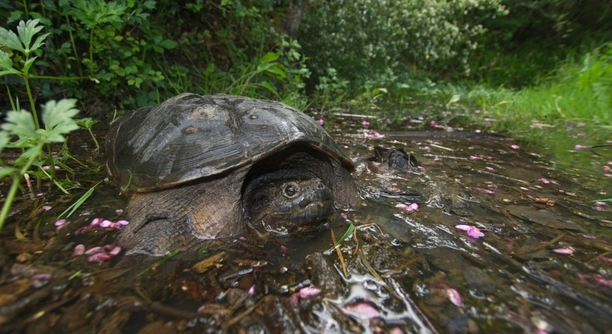
A healthy shell is crucial for your common snapping turtle’s well-being. With the right care, you can ensure its protection and overall health. This article will explore simple ways to maintain and protect your turtle’s shell.
To keep your common snapping turtle’s shell healthy, focus on providing a proper diet, regular basking opportunities, and a clean habitat. Ensure adequate calcium intake to prevent shell deformities, and offer safe environments to reduce physical damage to the shell.
These tips will help you take better care of your turtle, ensuring its long-term health and preventing shell-related issues.
Proper Diet for a Healthy Shell
Feeding your common snapping turtle the right diet is essential for maintaining its shell health. A balanced diet rich in calcium, vitamins, and minerals helps strengthen the shell and promotes overall well-being. Offering a variety of food, such as leafy greens, aquatic plants, and protein-rich options like insects or fish, provides the nutrients necessary for healthy shell growth.
Calcium is especially important to avoid shell deformities. Ensure your turtle’s diet includes calcium supplements if needed, especially for indoor turtles that may not have access to natural sunlight. A good variety of foods will keep your turtle’s immune system strong, which can further protect its shell from damage.
When preparing food, always wash vegetables and ensure they are fresh. Avoid feeding your turtle processed or overly fatty foods, as these can lead to health problems. Maintaining this balanced diet is key to helping your turtle thrive.
Sunlight and Basking
Regular basking is crucial for your turtle’s overall health. The right amount of UVB exposure helps your turtle produce essential vitamin D3, which is necessary for calcium absorption and shell development.
Turtles need a basking spot where they can dry off and warm up. It’s important to set up an area with a heat source like a UVB lamp or natural sunlight, especially if your turtle is kept indoors. Without enough UVB light, your turtle can develop soft or weakened shells.
Make sure to provide access to clean water for hydration, and always ensure the basking area is in a safe location. If your turtle has a clean, UV-rich environment, it will help its shell stay strong and healthy.
Clean Habitat
A clean habitat is essential for maintaining a healthy shell. Regularly change the water and remove debris to prevent bacterial buildup. A dirty environment can lead to infections, which may harm the shell. Keeping the habitat clean also reduces stress on your turtle.
Use a reliable filtration system to keep the water clean and clear. Regular cleaning of the tank, substrate, and decorations will prevent harmful algae and bacteria from growing. Make sure the water temperature is consistent and the tank has a proper basking area. Cleanliness is vital for your turtle’s overall health and shell condition.
If the water isn’t clean, it can lead to shell rot or other infections. Additionally, ensure that your turtle has enough space to swim and explore. A proper setup will help keep the turtle active and its shell protected.
Regular Shell Checks
Routine shell checks are crucial for catching any early signs of damage or disease. Examine the shell for cracks, holes, or soft spots, and monitor the overall condition regularly. Early detection is key to preventing further harm.
Look for any discoloration or unusual growth on the shell. If you notice any changes, seek professional advice right away. Over time, small issues can turn into bigger problems, so staying vigilant is essential. Check your turtle’s shell at least once a week to identify any changes before they become severe.
If you find any issues, like cracks or soft spots, don’t hesitate to take action. A quick response could save your turtle from more serious health concerns down the line.
Avoid Physical Damage
Physical damage can cause long-lasting harm to your turtle’s shell. Ensure that your turtle’s habitat is free of sharp objects, and avoid any rough handling. Accidental drops or bumps can result in serious cracks or injuries.
Create a safe, low-stress environment for your turtle. Avoid overcrowding the tank and make sure the decor has no sharp edges. This reduces the chances of accidental injury while your turtle is moving around. Being gentle with your turtle during handling is also important to avoid shell damage.
Proper Temperature Regulation
Temperature control plays a significant role in shell health. Ensure the water temperature stays within the proper range for your turtle. Too cold or too hot water can stress the turtle and affect its immune system, leading to shell problems.
Invest in a reliable thermometer to monitor the water temperature regularly. Your turtle’s tank should have both a warm side and a cooler side to allow for thermal regulation. Providing a heat source like a basking light will help maintain proper temperatures, ensuring the turtle stays healthy and its shell strong.
Calcium Supplements
Calcium is essential for maintaining a healthy, strong shell. While a good diet is important, sometimes your turtle may need calcium supplements to ensure it’s getting enough of this vital mineral. Over time, a lack of calcium can cause shell deformities and weakening.
Calcium can be added to your turtle’s food in the form of supplements. You can dust their food with powdered calcium or offer calcium-rich foods like leafy greens. If you’re unsure how much calcium your turtle needs, it’s best to consult a veterinarian.
FAQ
How often should I clean my turtle’s tank?
Cleaning your turtle’s tank should be done weekly, with water changes happening more frequently if the water looks dirty. Regular maintenance prevents harmful bacteria buildup, which can cause infections or shell rot. Make sure to clean the filter monthly and scrub the tank to remove algae or dirt that could compromise water quality.
What is the ideal temperature for my turtle’s habitat?
The ideal water temperature for your common snapping turtle is between 72-78°F (22-25°C). The basking area should be warmer, around 85-90°F (29-32°C). This allows your turtle to regulate its body temperature properly and stay healthy. Always use a thermometer to monitor the tank temperature.
How do I know if my turtle has shell rot?
Shell rot typically appears as soft, discolored areas on the shell, often with a foul smell. If you notice any unusual soft spots, cracks, or the shell appears to be breaking down, it’s important to consult a veterinarian right away. Early intervention is key to preventing further damage.
Can I use a UVB light for my turtle instead of natural sunlight?
Yes, a UVB light is a great substitute for natural sunlight, especially if your turtle is kept indoors. UVB light helps turtles synthesize vitamin D3, which is essential for calcium absorption and shell health. Be sure to replace the bulb every 6-12 months, as its effectiveness decreases over time.
How can I prevent my turtle’s shell from becoming soft?
A soft shell can be caused by a lack of UVB light or insufficient calcium. Ensure your turtle has access to a proper basking area with UVB exposure and provide a calcium-rich diet. If you notice softness, consult a vet about calcium supplementation.
Can I handle my snapping turtle regularly?
While it’s okay to handle your turtle occasionally, avoid over-handling, as it can stress them out. Snapping turtles are more sensitive and aggressive, so handling should be done carefully and only when necessary. Always support their body properly to prevent injury.
What should I do if my turtle’s shell has a crack?
If you notice a crack in your turtle’s shell, it’s important to seek veterinary care. Small cracks can be treated by a professional, and they’ll guide you on how to protect the turtle’s shell while it heals. Keep the turtle in clean, warm water to prevent infection.
Is it normal for my turtle to shed its scutes?
Yes, it’s normal for turtles to shed their scutes (the outer layers of their shell) as they grow. However, if you notice excessive shedding or if the scutes are coming off unevenly, it might indicate a health issue, such as malnutrition or an infection. Monitor your turtle and consult a vet if necessary.
What do I do if my turtle stops basking?
If your turtle stops basking, it could be a sign of health problems or improper habitat conditions. Ensure the basking area is at the correct temperature and that the UVB light is functioning properly. If your turtle continues to avoid basking, it may be time for a vet checkup.
Can I put my turtle outside?
Turtles can enjoy time outside, but it must be in a secure, safe environment. Be cautious of predators, and make sure the area has both sun and shade. Also, ensure the water is clean and at the correct temperature. Always supervise outdoor time to prevent accidents.
How do I know if my turtle is sick?
Signs of illness in a turtle may include lethargy, loss of appetite, swelling, respiratory issues, or changes in shell appearance. If your turtle is showing any of these symptoms, it’s important to see a vet right away. Early diagnosis and treatment are crucial for recovery.
Can I feed my turtle only commercial pellets?
Commercial pellets can be a part of your turtle’s diet, but they should not be the sole food source. A variety of fresh foods, including leafy greens, aquatic plants, and insects, will ensure your turtle gets the proper nutrients. A balanced diet is key to maintaining a healthy shell and overall well-being.
How long can a turtle live with shell rot?
If left untreated, shell rot can lead to serious complications and even death. With proper care and prompt treatment, most turtles can recover from shell rot. It’s important to follow veterinary advice and maintain a clean, healthy environment for your turtle during recovery.
Why is my turtle’s shell turning white?
A white, chalky appearance on the shell may indicate calcium deficiency or dehydration. It could also be a sign of a fungal infection. Keep your turtle hydrated, provide adequate calcium through diet or supplements, and ensure proper UVB exposure. Consult a vet if the condition persists.
Is it safe to feed my turtle live animals?
Feeding your turtle live animals, such as insects or small fish, can be safe as long as they are appropriate for your turtle’s size and species. Always avoid feeding them animals that are too large or may carry parasites. Ensure any live food is free from pesticides or other harmful chemicals.
How can I make my turtle’s shell shine?
A shiny shell often means your turtle is healthy and well-cared for. While you should never try to polish or shine the shell artificially, providing a balanced diet with enough calcium and ensuring proper UVB exposure will naturally maintain the shell’s health and luster.
What should I do if my turtle stops eating?
If your turtle refuses to eat, it could be a sign of stress, illness, or poor habitat conditions. Make sure the temperature, lighting, and water quality are all optimal. If the refusal to eat continues for more than a few days, it’s best to consult a veterinarian.
Final Thoughts
Taking care of your common snapping turtle’s shell is essential for its overall health and well-being. A strong, healthy shell protects your turtle from injuries, infections, and other issues that could impact its quality of life. Ensuring that your turtle has the right environment, diet, and care routine can go a long way in preventing shell problems and promoting a long, healthy life.
Regular maintenance of your turtle’s habitat is key. This includes keeping the water clean, providing proper basking spots with UVB lighting, and ensuring the correct temperature for both water and basking areas. A consistent routine will not only help prevent shell damage but also keep your turtle comfortable and less stressed. The environment is one of the most important factors in keeping your snapping turtle healthy and safe.
In addition to environmental factors, diet plays a huge role in maintaining a strong shell. Providing a balanced diet with the right amount of calcium and other nutrients is essential. You can also supplement your turtle’s diet with calcium and vitamin D3 to promote healthy shell growth. Be sure to monitor your turtle closely and consult a veterinarian if you notice any changes in its shell or behavior. With the right care, your snapping turtle can live a long, healthy life.

Hello,
If you enjoy the content that we create, please consider saying a "Thank You!" by leaving a tip.
Every little bit helps us continue crafting quality advice that supports the health, happiness, and well-being of pets around the world, for pets of all shapes, sizes, and species.
We really appreciate the kindness and support that you show us!