
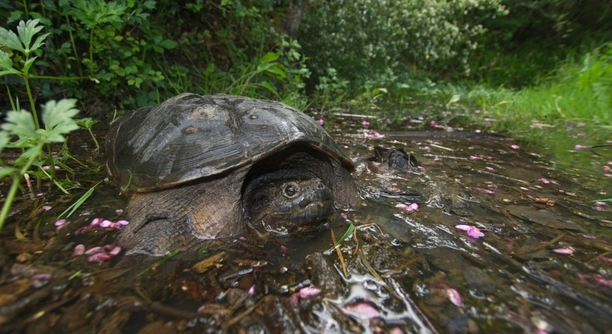
Common snapping turtles thrive when provided with various hiding spots to reduce stress and improve overall health. Offering suitable spaces for them to retreat to is essential in creating a comfortable and secure environment for these reptiles.
There are multiple ways to provide more hiding spots for a common snapping turtle. Adding plants, logs, rocks, and submerged structures allows for natural concealment. Using aquarium decor like caves can also create additional safe zones. Proper placement is key.
Ensuring your turtle feels secure is important for its well-being. These hiding spots offer both comfort and protection.
Adding Plants for Natural Cover
Adding plants to your turtle’s habitat offers them more places to hide. Choose aquatic plants like water lilies or floating plants that can grow dense enough to create natural cover. Not only do plants help with hiding, but they also contribute to the overall health of the water by absorbing excess nutrients. Make sure the plants are anchored or floating securely to avoid disrupting the environment.
Plants can be placed near the tank’s edges or in areas where the turtle tends to frequent. If your turtle feels threatened or stressed, these plants will give it a safe spot to retreat to, helping reduce anxiety.
Additionally, plants encourage a more natural environment, where turtles can engage in behaviors they would typically exhibit in the wild. Combining different types of plants and placing them strategically throughout the tank ensures your snapping turtle has many options for hiding, ultimately improving its well-being. With healthy plant life, your turtle will feel more comfortable and secure.
Using Logs and Rocks as Hiding Spots
Logs and rocks make great hiding spots.
These natural materials mimic the environments snapping turtles are used to. Large rocks and hollow logs provide both cover and climbing surfaces. The size and shape of the rocks can create gaps and crevices where turtles can easily slide into for hiding. For turtles, these hiding spots simulate their natural behavior, giving them places to rest and hide when they feel the need to retreat. Placing the logs partially submerged in water allows the turtle to access them easily, either for rest or security. Using a combination of rocks and logs ensures that the turtle has multiple options.
Adding Submerged Structures
Submerged structures, like caves or tunnels, provide excellent hiding spots for snapping turtles. These items can be easily purchased at pet stores or made at home using non-toxic materials. Place them in areas where your turtle feels safest. Ensure they are large enough for the turtle to enter comfortably but not too small to feel cramped.
These hiding spots allow turtles to submerge themselves when they need to feel secure. A structure placed at the bottom of the tank helps your turtle retreat out of sight and stay hidden. The more varied and numerous these hiding spots, the better your turtle will feel. It’s essential to secure them well to prevent them from shifting or trapping your turtle.
Submerged structures, especially ones with narrow openings, encourage your turtle to squeeze into tight spaces, which can be a natural behavior. The tank should have a combination of deep and shallow water areas, with hiding structures dispersed throughout to provide maximum security and comfort for your turtle. This setup reduces stress and allows the turtle to exhibit natural behaviors.
Using Tank Decor
Tank decor, like rocks, driftwood, and even ceramic caves, provides your snapping turtle with plenty of hiding options. These items not only offer shelter but also add variety and interest to the environment. Using decor with multiple levels and hiding spots makes the habitat more complex and engaging.
It’s important to choose decor that doesn’t have sharp edges, which could harm your turtle. The pieces should be large enough to create space but easy for your turtle to navigate. Placing decorations in both the water and on land areas gives your turtle choices for hiding depending on its preference. It allows for more control over where it feels safest.
Tank decor doesn’t need to be fancy. Simple items like smooth rocks, logs, and caves can effectively mimic the natural environment of a snapping turtle. By providing a mix of shelters in various locations, your turtle will feel secure and comfortable in its space. This setup allows the turtle to explore while also retreating to hidden spots when necessary.
Placing Hiding Spots Near Tank Edges
Positioning hiding spots near the edges of the tank allows your turtle to feel more secure. Snapping turtles often prefer corners or secluded areas where they can hide. It provides a retreat from the center of the tank, which may feel too exposed.
By placing rocks, logs, or plants along the tank’s edges, you give your turtle more privacy. Ensure the hiding spots are close enough for the turtle to easily reach but still out of direct view from the center. This strategy mimics natural behavior, offering a space to rest and retreat.
Creating Separate Land and Water Areas
Snapping turtles enjoy both land and water for different reasons. By dividing the tank into distinct land and water zones, you can provide your turtle with different types of hiding places. Each zone should have specific hiding spots suited to the turtle’s behavior.
Consider creating a platform above the water where your turtle can climb out to rest. This structure gives the turtle the option to leave the water when it needs to feel more secure. In the water, submerged caves or logs will allow your turtle to stay hidden and move freely between the land and water areas. A combination of both environments helps satisfy your turtle’s need for different hiding spots.
FAQ
How many hiding spots does a snapping turtle need?
A snapping turtle should have at least three to four hiding spots in its habitat. This allows them to choose the most comfortable or secure space depending on their mood or need for privacy. Having multiple options helps reduce stress and anxiety, offering a variety of spaces for retreat.
Can I use plastic decorations for hiding spots?
Plastic decorations are generally safe for use as hiding spots, but it’s essential to ensure they don’t have sharp edges that could injure your turtle. Avoid decorations that are too small or difficult for your turtle to navigate. Non-toxic, aquarium-safe plastic items are best, but natural materials are often preferred.
Do snapping turtles prefer underwater hiding spots?
Yes, snapping turtles often prefer underwater hiding spots because they feel more secure submerged. They are aquatic animals, and hiding underwater allows them to stay hidden from potential threats. Placing hiding spots like caves or submerged logs in the water can encourage this natural behavior.
What are the best types of hiding spots for a snapping turtle?
The best hiding spots for a snapping turtle are natural-looking options like submerged logs, caves, rocks, and plants. These provide security while also mimicking the turtle’s natural environment. Be sure the hiding spots are large enough for the turtle to comfortably enter and exit.
Should I place hiding spots in the center of the tank?
It’s better to place hiding spots near the edges of the tank rather than the center. Snapping turtles naturally prefer corners or areas with less exposure. By placing hiding spots along the sides of the tank, you provide them with a more secure environment where they can retreat when needed.
Can I use a filter or pump to create hiding spots?
Filters and pumps themselves aren’t suitable hiding spots. However, you can use rocks or decorations around the filter area to create a secure hiding spot for your turtle. Just make sure the decorations do not obstruct water flow or create areas where debris can build up, affecting water quality.
How can I ensure that my turtle feels secure in its hiding spot?
To ensure your turtle feels secure in its hiding spot, make sure the area is spacious enough for it to move around freely. The hiding spot should also be placed in a quiet and less disturbed part of the tank. Turtles like to feel safe, so avoid frequent disturbances around their hiding spots.
Can I use driftwood as a hiding spot?
Yes, driftwood can be a great addition to a snapping turtle’s habitat. It provides a natural hiding spot while also offering surfaces for climbing and basking. Ensure that the driftwood is free from chemicals or pesticides and is properly cleaned before being added to the tank.
How do I clean the hiding spots without stressing my turtle?
To clean hiding spots, remove them from the tank and scrub them gently with a soft brush and warm water. Avoid using soaps or harsh chemicals, as they can be harmful to your turtle. It’s best to clean decorations and hiding spots during water changes, so your turtle isn’t stressed by the process.
Are there specific hiding spots for juvenile snapping turtles?
Juvenile snapping turtles may need smaller hiding spots than adults. For young turtles, consider using small caves, hollow logs, or plants that are easy to access. As they grow, you can adjust the hiding spots to accommodate their larger size. The principle of multiple, accessible hiding spots still applies.
How do I prevent my turtle from getting stuck in its hiding spot?
To prevent your turtle from getting stuck in its hiding spot, ensure that the entrances and exits are wide enough for the turtle to easily maneuver. Avoid using very tight spaces, especially if the hiding spot has narrow openings. Always check the hiding spots regularly to ensure they are safe and accessible.
What kind of plants are best for hiding spots?
Aquatic plants like water lilies, duckweed, and Anacharis are great for providing hiding spots. These plants grow quickly and create dense areas where the turtle can hide. You can also use floating plants to provide additional cover for your turtle. Just be sure the plants don’t block too much light or hinder water circulation.
Can I use rocks to build a hiding spot for my turtle?
Rocks can be an excellent material for creating hiding spots, especially when arranged to form caves or tunnels. Be sure to secure them properly so they don’t shift and trap your turtle. Smooth, rounded rocks are best, as sharp rocks could harm your turtle’s skin or shell.
How often should I change the hiding spots in my turtle’s tank?
It’s not necessary to frequently change the hiding spots in your turtle’s tank. However, you should rearrange or add new ones if you notice your turtle showing signs of stress or boredom. A few adjustments every few months can keep the environment stimulating and provide new options for your turtle.
Can I use aquarium filters to hide my turtle?
While aquarium filters are useful for keeping the water clean, they aren’t suitable hiding spots. You can, however, arrange decorations or plants around the filter to create a safe hiding space near the filtration system. Just ensure that the turtle can easily access and exit these areas.
Do snapping turtles like to hide during the day?
Yes, snapping turtles often prefer to hide during the day, especially when they feel threatened or overstimulated. They are most active during dawn and dusk, so providing a hiding spot during the day helps them feel secure and rest. Create multiple options for hiding to cater to your turtle’s needs.
Final Thoughts
Providing adequate hiding spots for your snapping turtle is essential for its well-being. These turtles, like many others, thrive in environments where they feel secure and can retreat when necessary. By offering multiple hiding spots, you give them the freedom to choose a place that suits their mood, whether they feel like resting, hiding from potential threats, or simply enjoying a quiet space. It’s crucial to provide a variety of hiding spots, both above and below the water, as snapping turtles often prefer to hide underwater but may also seek shelter on land.
The types of hiding spots you choose matter as well. Natural materials like rocks, logs, and plants mimic the turtle’s natural habitat, providing a more comfortable and familiar space. These materials allow the turtle to express its natural behavior, such as climbing, burrowing, or hiding among plants. You can also use artificial items, but it’s important to ensure they are safe, large enough, and do not have sharp edges that might harm the turtle. Regularly checking and adjusting these spots helps maintain a stress-free environment.
In the end, the goal is to create a habitat that keeps your snapping turtle healthy, happy, and stress-free. By paying attention to their needs for security and privacy, you help ensure that your turtle can thrive in captivity. A well-designed tank with proper hiding spots also reduces aggression and encourages a more natural lifestyle for your pet. Whether you use natural or artificial materials, make sure they fit the size and behavior of your turtle.

Hello,
If you enjoy the content that we create, please consider saying a "Thank You!" by leaving a tip.
Every little bit helps us continue crafting quality advice that supports the health, happiness, and well-being of pets around the world, for pets of all shapes, sizes, and species.
We really appreciate the kindness and support that you show us!