
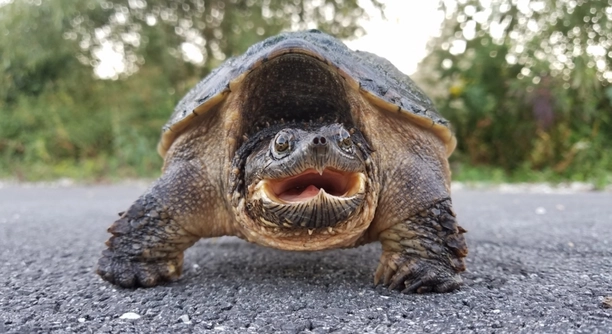
Is your common snapping turtle blowing bubbles in the water, leaving you unsure if it is normal or a cause for concern? Observing this behavior can be puzzling, especially if you are unfamiliar with what it might indicate.
Snapping turtles may blow bubbles due to natural respiration, but excessive bubbling can signal respiratory infections or poor water quality. If accompanied by lethargy, wheezing, or open-mouth breathing, it is essential to assess their habitat and seek veterinary advice if necessary.
Recognizing the cause of this behavior is crucial for maintaining your turtle’s health. Understanding potential risks and preventive measures will help ensure your snapping turtle thrives in its aquatic environment.
Common Reasons Snapping Turtles Blow Bubbles
Snapping turtles often blow bubbles while resting underwater or surfacing for air. This is a normal part of their respiration process, as air escapes from their nostrils when they submerge. However, if you notice frequent or excessive bubbling, it could indicate an issue. Poor water quality, sudden temperature changes, or stress may cause this behavior. Additionally, if the bubbles are accompanied by mucus, lethargy, or difficulty breathing, a respiratory infection could be the cause. Keeping an eye on your turtle’s overall behavior can help determine whether the bubbling is harmless or requires attention.
Occasional bubbling in clean water is typically nothing to worry about. If your turtle is active, eating well, and showing no other signs of illness, the behavior is likely normal. However, sudden changes in activity levels, appetite, or breathing patterns may indicate an underlying issue.
Proper habitat maintenance is essential for your snapping turtle’s health. Keeping the water clean, ensuring the correct temperature range, and providing a well-balanced diet can help prevent respiratory issues. If symptoms persist, a veterinarian specializing in reptiles can determine the cause and recommend treatment. Addressing potential problems early can prevent serious health complications and keep your turtle thriving.
When to Seek Veterinary Help
Bubbles that appear thick or foamy, especially around the nose or mouth, may indicate a respiratory infection. Other warning signs include wheezing, open-mouth breathing, loss of appetite, and excessive time spent basking. These symptoms should not be ignored.
Respiratory infections in snapping turtles can develop from cold water temperatures, poor filtration, or prolonged stress. Bacterial infections are common, and without treatment, they can worsen. A vet can assess your turtle’s condition and provide antibiotics or supportive care if necessary. Early intervention improves recovery chances and prevents complications. Keeping your turtle’s environment stable and reducing stressors can help prevent infections. Regularly monitoring their health ensures they remain active and healthy.
Preventing Respiratory Issues in Snapping Turtles
Maintaining proper water quality is essential for preventing respiratory issues. Regularly cleaning the tank, using a high-quality filter, and monitoring ammonia and nitrate levels can reduce the risk of infections. Clean, well-oxygenated water supports your turtle’s overall health and minimizes exposure to harmful bacteria.
Temperature regulation plays a key role in keeping your snapping turtle healthy. Water should be kept between 75°F and 80°F, while the basking area should remain around 90°F. Sudden temperature drops can weaken their immune system, making them more vulnerable to infections. Using a reliable heater and thermometer helps maintain stability. Ensuring a warm basking area allows them to dry off properly, reducing the risk of respiratory problems.
A balanced diet supports a strong immune system. Providing a mix of proteins, leafy greens, and commercial turtle pellets ensures proper nutrition. Vitamin A is particularly important, as deficiencies can lead to respiratory and eye issues. Feeding in a separate container can help reduce tank waste, keeping water cleaner. Freshwater turtles are prone to infections when exposed to poor conditions, so maintaining a clean, well-balanced habitat significantly lowers the risk of illness. Healthy turtles display strong appetites, clear eyes, and active behavior, making routine monitoring an important part of their care.
Reducing Stress for a Healthier Turtle
Minimizing stress is essential for preventing health issues. Frequent handling, loud noises, or sudden changes in environment can cause turtles to become stressed, weakening their immune system. Providing plenty of hiding spots, stable water conditions, and a consistent feeding schedule helps create a secure and comfortable environment.
A properly sized tank gives your snapping turtle the space it needs to move comfortably. A minimum of 55 gallons is recommended for juveniles, while adults require at least 100 gallons. A well-structured habitat with logs, rocks, and plants mimics their natural environment, encouraging natural behaviors and reducing anxiety. Ensuring proper filtration and regular cleaning prevents waste buildup, reducing harmful bacteria that could lead to infections.
Observing your turtle’s behavior can help detect early signs of stress. If they stop eating, become overly aggressive, or spend excessive time basking, environmental adjustments may be necessary. Consistency in care, a balanced diet, and a well-maintained habitat contribute to a healthy, stress-free turtle. Addressing stress factors early helps prevent long-term health complications.
Signs of a Healthy Snapping Turtle
A healthy snapping turtle is active, alert, and responsive to its surroundings. Clear eyes, smooth skin, and a strong appetite indicate good health. Regular basking and normal swimming behavior also suggest a well-adjusted turtle with no underlying health concerns.
Consistent growth and a hard, well-formed shell are additional signs of good health. A turtle that sheds its scutes properly and maintains a steady weight is generally in good condition. Monitoring their behavior and physical appearance can help detect any early signs of illness.
Proper Tank Setup for Snapping Turtles
A spacious tank with clean, well-filtered water is necessary for a snapping turtle’s well-being. The water depth should be deep enough for swimming but shallow enough for easy access to the surface. A basking area with a heat lamp is important for thermoregulation and helps prevent infections.
Importance of Regular Veterinary Checkups
Routine checkups with a reptile veterinarian ensure early detection of potential health issues. A vet can assess your turtle’s overall condition, provide guidance on diet and habitat, and recommend treatments if needed. Regular health evaluations help maintain long-term well-being and prevent serious complications.
FAQ
Why is my snapping turtle blowing bubbles?
Blowing bubbles is typically a normal behavior for snapping turtles when they surface for air or submerge underwater. However, excessive bubbling or bubbles that appear foamy or thick may be a sign of a respiratory infection. If this behavior is accompanied by other symptoms such as lethargy, loss of appetite, or open-mouth breathing, it’s important to assess the water quality and temperature. These issues can cause stress or health problems for your turtle. Regular maintenance of the tank and ensuring proper water conditions can help prevent respiratory issues.
Is it normal for my snapping turtle to bask for long periods?
Yes, basking is a natural and healthy behavior for snapping turtles. They need time to dry off and regulate their body temperature. However, if your turtle spends excessive time basking without moving or shows other signs of illness, it could indicate stress or a health issue. Monitor the environment to ensure that the basking area is the correct temperature, between 90°F and 95°F. A proper basking area helps your turtle remain healthy and prevents skin and shell problems.
How often should I feed my snapping turtle?
Young snapping turtles require daily feeding, while adult turtles can be fed every other day. A balanced diet consisting of protein, vegetables, and commercial turtle pellets is essential. Offering a variety of food, such as worms, fish, leafy greens, and occasional fruits, helps meet nutritional needs. Overfeeding should be avoided to prevent obesity and water pollution. Adjust feeding schedules based on your turtle’s activity level and appetite.
Can my snapping turtle live in a tank with other animals?
Snapping turtles are territorial and may show aggression toward other tankmates. They are often best kept alone or with other species that have similar size and temperament. Avoid keeping them with small fish or smaller turtles, as they might see them as food. If you plan to house them with other animals, closely monitor their interactions to prevent stress and injury. Providing plenty of hiding spots and space is essential to reduce territorial behavior.
What is the best way to clean my snapping turtle’s tank?
Regular tank maintenance is important for your turtle’s health. You should change about 25% of the water weekly to keep it clean. Use a quality filter to maintain water clarity and reduce ammonia buildup. Clean the tank thoroughly every few months, removing any debris or algae buildup. Be sure to also clean the basking area, as bacteria can grow there. When cleaning, avoid using harsh chemicals that could harm your turtle.
Do snapping turtles need UV light?
Yes, UVB lighting is crucial for snapping turtles as it helps them metabolize calcium and maintain strong bones and shells. A UVB light should be provided in their basking area for about 10-12 hours daily. Without proper UVB exposure, snapping turtles can develop metabolic bone disease, which can severely impact their health. Make sure the bulb is replaced every 6 to 12 months, as UVB output decreases over time.
What temperature should the water be for my snapping turtle?
Water temperature is essential for your snapping turtle’s well-being. Ideally, it should be between 75°F and 80°F (24°C to 27°C) for adults. Juvenile turtles may benefit from slightly warmer water, around 78°F. Use a reliable aquarium heater to maintain a stable temperature and prevent fluctuations that could stress your turtle. A water thermometer should be used to ensure consistency.
How can I tell if my snapping turtle is sick?
Common signs that a snapping turtle may be ill include lack of appetite, lethargy, abnormal swimming behavior, or difficulty breathing. Their shell may become soft or discolored, and they may spend an unusual amount of time basking. If your turtle shows any of these signs, it’s important to consult a veterinarian. Early diagnosis and treatment can help prevent further complications.
How big does a snapping turtle get?
Snapping turtles can grow to impressive sizes. Female snapping turtles generally reach around 8-12 inches (20-30 cm) in length, while males can grow up to 14-20 inches (35-50 cm). Some large snapping turtles can even weigh up to 35-40 pounds (16-18 kg). It’s important to provide a tank large enough to accommodate their size and ensure they have enough space to swim and bask comfortably.
Can snapping turtles live outside?
Snapping turtles can live outdoors if provided a suitable environment. They need access to a large pond or water body with a good mix of shallow and deep areas for swimming. The area should include basking spots, logs, and rocks, along with vegetation for hiding. The outdoor habitat should also be free from predators. Before placing a snapping turtle outside, consider the climate and ensure the environment remains safe and secure.
Final Thoughts
Understanding why your snapping turtle may be blowing bubbles is important for its overall health. While occasional bubbling is normal, frequent or excessive bubbling could signal an issue, such as respiratory distress or poor water conditions. Ensuring your turtle has clean, well-maintained water and a proper tank setup can help prevent these issues. By monitoring its behavior and keeping the environment stable, you can address potential health concerns early. Regular checkups with a reptile vet also provide added peace of mind in managing your turtle’s well-being.
Snapping turtles, like any pet, require consistent care to thrive. Beyond their behavior, pay close attention to their diet, habitat, and routine. Offering a balanced diet with protein, vegetables, and occasional supplements will support their health. The right water temperature, UVB lighting, and basking spots are equally essential to ensure they remain active and free from illnesses. It’s important to create an environment that mirrors their natural habitat, which encourages healthy growth and development. Keeping a close eye on these factors will help you keep your snapping turtle in the best condition.
Lastly, while snapping turtles are relatively low-maintenance pets, they do require specific attention to thrive. Their health is closely tied to their surroundings, so regular tank cleaning, monitoring water parameters, and providing proper nutrition are all key steps in maintaining a thriving turtle. If problems arise, don’t hesitate to seek advice from a professional who specializes in reptiles. With proper care, snapping turtles can live long, healthy lives and continue to be fascinating companions.

Hello,
If you enjoy the content that we create, please consider saying a "Thank You!" by leaving a tip.
Every little bit helps us continue crafting quality advice that supports the health, happiness, and well-being of pets around the world, for pets of all shapes, sizes, and species.
We really appreciate the kindness and support that you show us!