
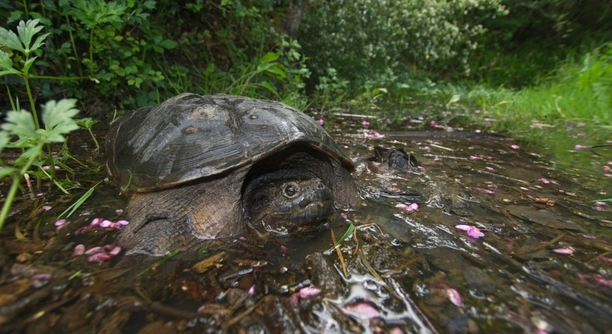
Many turtle owners face frustration when their snapping turtle rejects new food. Understanding why this happens can help you make the right adjustments. This article will highlight the reasons behind your turtle’s picky eating habits.
Snapping turtles may reject new food due to stress, unfamiliarity, or poor health. It’s also possible that the food doesn’t match their natural diet, or they simply prefer specific textures or tastes. Understanding their preferences can make a difference.
There are several factors to consider when your turtle doesn’t eat. From the type of food to their environment, understanding what might be causing the issue will help you better care for your snapping turtle.
Stress from Change in Environment or Routine
If your snapping turtle is rejecting food, a change in its environment or routine could be the reason. Turtles can be sensitive to shifts, whether it’s a new tank, changes in water temperature, or even a new feeding schedule. This stress may cause them to lose their appetite. Stress can also arise from loud noises, the presence of other animals, or any activity that disrupts their calm surroundings. Snapping turtles are creatures of habit, and sudden changes can take them a while to adjust. Ensuring that their environment is stable and quiet will help them feel more comfortable and encourage them to eat.
It’s important to give your turtle time to settle into its new environment. Any disruption can take a toll on its eating habits.
Creating a consistent routine can help your turtle feel secure. Stick to regular feeding times, maintain a clean environment, and minimize noise and activity around their tank. A steady, quiet space is key to encouraging them to eat. If the stress continues, you may need to evaluate whether other factors, such as water quality or lighting, need adjustment. Regularly check water temperature and make sure their habitat is suitable. If your turtle still doesn’t eat, consider seeking advice from a vet to rule out underlying health issues.
Unfamiliar Food or Changes in Diet
Snapping turtles can be picky when it comes to food. If you’re trying to feed them something new, they may be hesitant. They tend to stick with what they know, and introducing a different type of food too quickly can make them wary. Gradually introducing new foods over time allows your turtle to become more familiar with the taste and texture. The problem may also stem from the food not matching what they would naturally eat in the wild, such as live prey or certain types of fish. Even though some store-bought foods are nutritious, your turtle may simply not recognize or prefer them.
Make sure the food you offer mimics their natural diet as closely as possible to avoid rejection.
Start by offering small portions of new food alongside their regular favorites. Allow your turtle to explore it at its own pace and don’t rush the process. If it still refuses to try the new food, try a different option. Live food, such as worms or small fish, might be a more appealing choice for your snapping turtle. Over time, you can slowly introduce variety to their meals, but it’s important to respect their preferences and not force a food they clearly dislike. Every turtle is different, and finding what works for yours might take some patience and trial.
Illness or Poor Health
When a snapping turtle is not feeling well, they may lose their appetite. Illness can be a common cause of food rejection. If your turtle shows signs of lethargy, abnormal behavior, or physical changes, it could be an indication of a health issue. Common health problems that affect appetite include respiratory infections, parasites, or internal injuries. These issues can cause discomfort, making it harder for your turtle to eat. If you notice any of these symptoms, it’s best to consult a veterinarian familiar with reptiles to ensure your turtle gets the right care.
Sometimes, the signs of illness are subtle, and you may not realize your turtle is sick until it stops eating altogether. Be on the lookout for any changes in their behavior, such as avoiding movement or staying at the bottom of the tank. Poor water quality, incorrect temperature, or a lack of proper UV lighting can also weaken your turtle’s immune system, making them more prone to illness. If your turtle’s health is compromised, getting the right treatment as soon as possible will help them recover.
If your turtle refuses to eat and seems unhealthy, a visit to the vet is crucial. Your vet can diagnose the problem and provide a treatment plan. Early detection of illness can prevent further complications. Keep an eye on your turtle’s behavior and physical condition regularly. Healthy turtles usually have a strong appetite and are active in their tank. By catching any health concerns early, you’ll be able to help your snapping turtle get back on track faster.
Feeding in the Right Environment
If your snapping turtle is rejecting food, the feeding environment might be contributing to the problem. Turtles are picky eaters and need a calm, safe space to feel comfortable when eating. A noisy or disruptive environment may stress them out, causing them to refuse food. Feeding them in a quiet area of their tank can make a big difference in how they respond to meals. Make sure there are no other animals or distractions nearby that might make them uneasy while they eat.
The right feeding environment also includes the water conditions. Snapping turtles require clean water and proper temperature to eat comfortably. If their tank is too dirty or the water is not at the right temperature, your turtle may be reluctant to eat. Ensure the water is filtered, and the temperature is ideal for your turtle’s species to help create a comfortable eating environment. You may also want to try feeding them at certain times when the tank is quiet to help them relax.
Keeping the tank’s water clean and making sure it’s not overcrowded will help your snapping turtle feel secure during feeding times. A relaxed turtle is more likely to eat without hesitation. Try to establish a feeding schedule so your turtle knows when to expect food, helping it feel less stressed and more willing to try the new food. If your turtle still refuses to eat, look into any other environmental factors that could be affecting their behavior.
Temperature Issues
Snapping turtles need the right temperature to be healthy and active. If the water is too cold or too hot, it can cause your turtle to stop eating. They require both warm water and basking areas to regulate their body temperature. Check the tank’s water temperature regularly to ensure it’s ideal for your turtle.
Turtles are cold-blooded, so if the water is not warm enough, it can slow down their metabolism. If the temperature is too low, they may lose interest in food. On the other hand, overly hot water can also stress them out, leading to similar behavior.
Overfeeding
It’s possible that your snapping turtle is simply not hungry if they’re being overfed. Overfeeding can cause turtles to ignore food because they’re already satisfied. Monitor the portion sizes and the frequency of feeding to ensure that they aren’t eating more than they need. Stick to a consistent feeding schedule.
Excessive food can lead to an unhealthy turtle. Overfeeding can contribute to obesity, affecting their overall health. If you notice your turtle isn’t eating, check if it has already consumed enough or if the feeding schedule needs adjustment. Less frequent feeding might help spark their appetite.
FAQ
Why is my snapping turtle not eating?
There can be several reasons why your snapping turtle isn’t eating. Common causes include stress from changes in its environment, illness, improper water temperature, or unfamiliar food. Ensure the water is clean and at the right temperature, and that the turtle has a quiet and comfortable space to eat. Also, check if the food is something your turtle is familiar with. If the problem persists, consider visiting a veterinarian.
How do I know if my snapping turtle is sick?
Signs of illness in snapping turtles can include a lack of appetite, lethargy, abnormal swimming, or difficulty diving. If your turtle is consistently avoiding food and showing signs of weakness or disorientation, it may be a health issue. Check for any physical changes like swelling, open wounds, or discharge from the eyes or nose. A vet specializing in reptiles can provide a proper diagnosis.
Can I feed my snapping turtle anything?
No, snapping turtles require a specific diet. They are omnivores and typically eat a mix of animal protein, such as fish, worms, and insects, and plant matter like leafy greens. Avoid feeding them foods that are high in fat or unsuitable for turtles, such as processed meats or dairy. It’s best to stick to foods that resemble their natural diet in the wild.
How often should I feed my snapping turtle?
Snapping turtles typically should be fed every 2-3 days for adults. Juveniles might need to eat more frequently, around 3-4 times a week. Overfeeding can lead to obesity, while underfeeding can cause malnutrition. Monitor your turtle’s weight and adjust feeding frequency if needed. Regular, balanced meals help maintain a healthy turtle.
What is the ideal water temperature for my snapping turtle?
The water temperature for a snapping turtle should be between 72-78°F (22-26°C). Keeping the water at this range supports their metabolism and promotes healthy digestion. You should also provide a basking area where your turtle can dry off and warm up under a heat lamp, with temperatures ranging from 85-90°F (29-32°C).
Can my snapping turtle eat lettuce?
Yes, your snapping turtle can eat lettuce, but it should be offered in moderation. Leafy greens like romaine or dandelion greens are good choices. Avoid iceberg lettuce, as it has little nutritional value. Offering a variety of vegetables will give your turtle the nutrients it needs, but it should not be the only food source.
Why is my snapping turtle ignoring its food?
If your snapping turtle is ignoring food, it could be due to environmental stress, illness, or a dislike for the food being offered. Make sure their tank is clean, quiet, and at the right temperature. If the food is unfamiliar, try offering something more natural, like small fish or insects. If the issue continues, consider consulting a vet.
Should I provide a variety of food for my snapping turtle?
Yes, variety is important to ensure your snapping turtle receives a balanced diet. Offering a mix of animal protein (such as fish or insects) and plant matter (like leafy greens or aquatic plants) will provide the essential nutrients. However, avoid feeding them too much of one type of food, as it can lead to nutritional imbalances.
How can I help my snapping turtle adjust to new food?
When introducing new food, do it gradually. Mix the new food with the turtle’s usual meals to help them get used to it. Start with small amounts and increase the variety as your turtle becomes more familiar with it. If the food is too different from what they normally eat, try offering it in a different form, like chopped pieces or whole prey.
Is it normal for my snapping turtle to not eat for a few days?
Yes, it’s normal for a snapping turtle to skip meals for a few days, especially if they are adjusting to a new environment, experiencing minor stress, or preparing to shed. However, if they refuse food for longer periods, it could signal a health issue or other underlying problems. Keep an eye on their behavior and physical condition to determine whether a vet visit is needed.
Can my snapping turtle eat live prey?
Yes, snapping turtles enjoy live prey and it’s a great source of protein for them. Live fish, worms, or small amphibians can be offered to mimic their natural hunting behavior. Be sure the prey is appropriately sized and safe, avoiding anything that could harm your turtle.
What should I do if my snapping turtle refuses to eat live prey?
If your snapping turtle refuses live prey, try offering them other food sources like pellets, vegetables, or commercially available turtle food. If they seem uninterested in any food, it could indicate stress or illness. Make sure their environment is stable, and monitor their health. Consulting a vet may help if the issue persists.
Can a snapping turtle eat too much food?
Yes, overeating can lead to obesity and other health problems in snapping turtles. It’s important to feed them the appropriate portion sizes and avoid leaving food in the tank for long periods. This ensures that they’re eating what they need without becoming overfed. Regular feeding schedules and portion control are key.
How do I know if I’m feeding my snapping turtle the right amount?
The right amount of food for a snapping turtle depends on their size and age. A healthy adult turtle typically needs to be fed every 2-3 days. Juveniles may require more frequent meals. Observe your turtle’s activity and body condition—if they’re gaining excessive weight or losing interest in food, you may need to adjust their diet.
Final Thoughts
Taking care of a snapping turtle involves understanding its behavior, environment, and feeding needs. If your turtle is rejecting food, it could be due to several factors like stress, illness, or simply not enjoying the food you’re offering. It’s important to keep the water clean and at the right temperature to create a comfortable environment. Snapping turtles are creatures of habit, so sudden changes in their routine or habitat may make them uneasy, leading to a loss of appetite. Ensuring that your turtle’s living space is quiet and stable can help encourage eating.
It’s also crucial to consider the type of food you’re offering. Snapping turtles are omnivores, and their diet should include a mix of animal protein and plant matter. Offering a variety of foods that resemble their natural diet can spark their interest. If your turtle is hesitant to try new food, gradual introductions can help. Start by mixing new foods with their regular favorites, allowing them to get used to different tastes and textures. However, be mindful of overfeeding, as excessive food can lead to health issues, including obesity. Stick to the appropriate portions and feeding schedules to maintain a healthy weight for your turtle.
Finally, don’t ignore the possibility of health issues. If your snapping turtle consistently refuses food and shows signs of lethargy or discomfort, it may be a sign of illness. Common health problems, like respiratory infections or parasites, can make turtles lose their appetite. If you notice any physical changes or abnormal behavior, it’s important to consult a veterinarian. A professional can help diagnose any underlying health problems and guide you on the best course of action. With the right care, attention, and diet, your snapping turtle should feel more comfortable and willing to eat.

Hello,
If you enjoy the content that we create, please consider saying a "Thank You!" by leaving a tip.
Every little bit helps us continue crafting quality advice that supports the health, happiness, and well-being of pets around the world, for pets of all shapes, sizes, and species.
We really appreciate the kindness and support that you show us!