
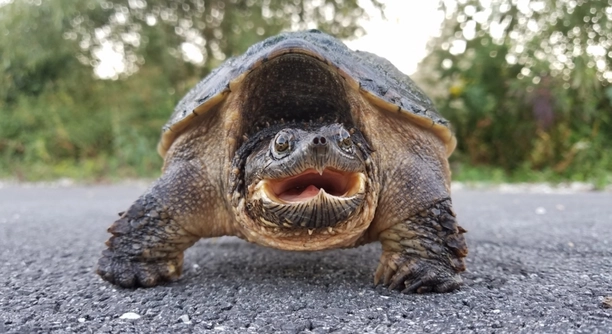
Restlessness in snapping turtles can often be a concern for owners. Identifying the cause can help ensure their comfort and well-being. Understanding why they may feel uneasy can make a difference in their care.
Restlessness in common snapping turtles can be caused by factors such as habitat stress, improper water temperature, poor diet, inadequate space, seasonal changes, injury, or disease. These elements disrupt their natural behavior, leading to increased anxiety and restlessness.
By addressing these common causes, you can improve the environment for your turtle. This will help promote its overall health and reduce any signs of stress or discomfort.
Habitat Stress
Snapping turtles are territorial creatures, and a crowded or unsuitable habitat can cause restlessness. If the space is too small, they may feel trapped, leading to anxious behavior. The water quality also plays a key role. Poor water conditions, such as high levels of ammonia or low oxygen, can trigger stress. Inadequate hiding spots can also leave them feeling exposed. If the turtle doesn’t have access to a secluded area where it can feel safe, its natural instincts will make it restless.
Providing your turtle with a spacious enclosure that mimics its natural environment can help. Ensure that the water is filtered, and that there are areas for the turtle to hide and bask.
This also includes making sure that there’s enough space for the turtle to move around. Too many objects in the tank can restrict movement, making the turtle anxious. Clear out any unneeded items that take up space.
Improper Water Temperature
Water temperature is crucial for snapping turtles’ health. If it’s too warm or cold, the turtle may become stressed. They are ectothermic, meaning their body temperature depends on the surrounding environment. When the water is outside the ideal range, they become lethargic or agitated.
Ensure that the water temperature is kept within a range of 72-78°F (22-26°C). Using a reliable aquarium heater and thermometer will help maintain consistency. Avoid fluctuating temperatures as they may cause the turtle discomfort and make it restless.
Turtles may show signs of stress, such as swimming erratically or constantly attempting to escape. This is often a result of water temperature being too high or low. Adjust the environment to a stable, comfortable temperature to ease this behavior.
Poor Diet
A poor diet can contribute to restlessness in snapping turtles. If they’re not getting the right nutrients, they may become weak or irritable. This can lead to behavioral changes, including excessive swimming or hiding.
Offer a balanced diet with a variety of proteins, greens, and calcium-rich foods. Turtles require both animal and plant matter to thrive. Without these, they can become stressed.
Overfeeding can also cause discomfort. Too much food leads to bloating and digestive problems, making the turtle uneasy. Make sure to provide the appropriate portions, ensuring their health is maintained with a proper feeding schedule.
Inadequate Space
Snapping turtles need plenty of space to roam. A cramped environment will make them feel trapped and restless. Space is key to their natural behavior.
Ensure that the tank size is large enough to accommodate the turtle’s full growth. A tank that’s too small can cause anxiety, limiting movement and access to different areas. Consider a larger enclosure to give your turtle the freedom it needs.
FAQ
Why is my snapping turtle swimming in circles?
Swimming in circles may be a sign that your turtle is feeling stressed or uncomfortable. This could be due to a variety of factors, such as inadequate space, improper water temperature, or poor water quality. If the turtle is in a cramped tank, it may swim in circles to try and escape. Likewise, a water temperature that is too warm or cold can make the turtle restless, causing it to display erratic swimming behavior. Check the water parameters and ensure there’s enough space for the turtle to move around freely.
Can snapping turtles get stressed from being handled too much?
Yes, snapping turtles can get stressed from frequent handling. These turtles are not as social as some other pets, and constant interaction can make them feel threatened. They prefer to be left alone, only engaging with their owners when necessary. Handling them too often can make them feel vulnerable, leading to increased stress and restlessness. Limit handling and allow them time to adjust to their environment without disturbance.
How do I know if my snapping turtle is sick?
Sick turtles may exhibit several signs of distress. They could become lethargic, refuse to eat, or show signs of injury such as swelling or discoloration. A turtle that is excessively swimming, hiding, or trying to escape may also be in pain. Other symptoms to watch for include labored breathing or a change in shell condition, such as softness or cracks. If any of these signs are present, it’s important to consult a veterinarian to rule out illness or injury.
Why does my snapping turtle bask so much?
Basking is a natural behavior for snapping turtles. They need to bask in the sun or under a heat lamp to regulate their body temperature and dry out their shells. If your turtle is basking frequently, it could be trying to adjust its body temperature. However, if the turtle is basking excessively, it may be a sign that the water temperature is too cold or that the turtle is feeling unwell. Monitor the tank’s temperature and ensure it falls within the recommended range for optimal health.
Can snapping turtles live with other animals in the same tank?
It’s generally not recommended to house snapping turtles with other animals. They are solitary by nature and can become aggressive, especially during feeding. Snapping turtles have strong jaws and may attack smaller tank mates. If you want to include other animals, make sure they are compatible in size and temperament. Even then, be prepared to monitor interactions closely to prevent stress or injury.
How often should I feed my snapping turtle?
Adult snapping turtles typically need to be fed every other day, while younger turtles may require daily feedings. Offer a varied diet, including protein such as fish, worms, and insects, as well as plant matter like leafy greens. Overfeeding can lead to obesity and other health issues, so ensure you are providing appropriate portions. Remove any uneaten food after a few hours to maintain water quality.
Why is my snapping turtle staying at the bottom of the tank?
Turtles may spend a lot of time at the bottom of the tank if they’re feeling unwell, stressed, or trying to avoid a current. If your turtle isn’t moving much, it could be due to poor water quality or temperature. A sudden drop in water temperature can make them lethargic. Also, ensure that the tank has enough hiding spots, as turtles often retreat to the bottom when they feel threatened. If this behavior persists, it may be time to check for potential health problems.
What should I do if my snapping turtle tries to escape?
Escape attempts are a common sign of stress in snapping turtles. They may try to escape if their habitat is too small, the water conditions are poor, or if they feel threatened. Ensure that the tank is large enough for your turtle and that the water is maintained at optimal levels. Providing hiding spaces and a basking area can also help reduce feelings of insecurity. If your turtle is determined to escape, you may need to modify the tank setup to make it more secure.
How can I make my snapping turtle feel more comfortable in its environment?
To help your snapping turtle feel more comfortable, make sure its habitat meets its needs. Provide a tank large enough for the turtle to swim, bask, and explore. Ensure the water is clean, filtered, and at the right temperature. Create hiding spaces and basking spots where the turtle can retreat when it feels insecure. Avoid frequent handling, and give the turtle time to adjust to its environment. The more you can replicate its natural habitat, the more content and relaxed your turtle will be.
Final Thoughts
Restlessness in snapping turtles can arise from several factors, including stress, environmental conditions, and health concerns. It is essential to address the root cause to ensure that your turtle is comfortable and healthy. Common causes such as improper water temperature, poor diet, and lack of space should be examined first. These factors can lead to physical discomfort and behavioral issues, so it’s crucial to create an environment that meets the turtle’s needs. Providing a larger, well-maintained habitat and monitoring water conditions will help reduce unnecessary stress.
Additionally, snapping turtles are sensitive to changes in their environment. Ensuring that their tank is large enough for them to move around and includes hiding spots and basking areas can promote a sense of security. A well-balanced diet also plays a significant role in their overall well-being, contributing to a turtle’s calmness. Turtles that are overfed or underfed can become agitated, so monitoring their food intake is necessary. Routine tank maintenance, including regular water changes and checking the temperature, will help prevent stress from environmental factors.
Taking the time to observe your turtle’s behavior and address potential issues will lead to a healthier and more content pet. If restlessness persists despite adjustments to its environment, it may be necessary to consult a veterinarian. Health problems such as injury or illness could be at the root of your turtle’s behavior. By focusing on the turtle’s physical and mental well-being, you can help it thrive and reduce any signs of stress or discomfort.

Hello,
If you enjoy the content that we create, please consider saying a "Thank You!" by leaving a tip.
Every little bit helps us continue crafting quality advice that supports the health, happiness, and well-being of pets around the world, for pets of all shapes, sizes, and species.
We really appreciate the kindness and support that you show us!